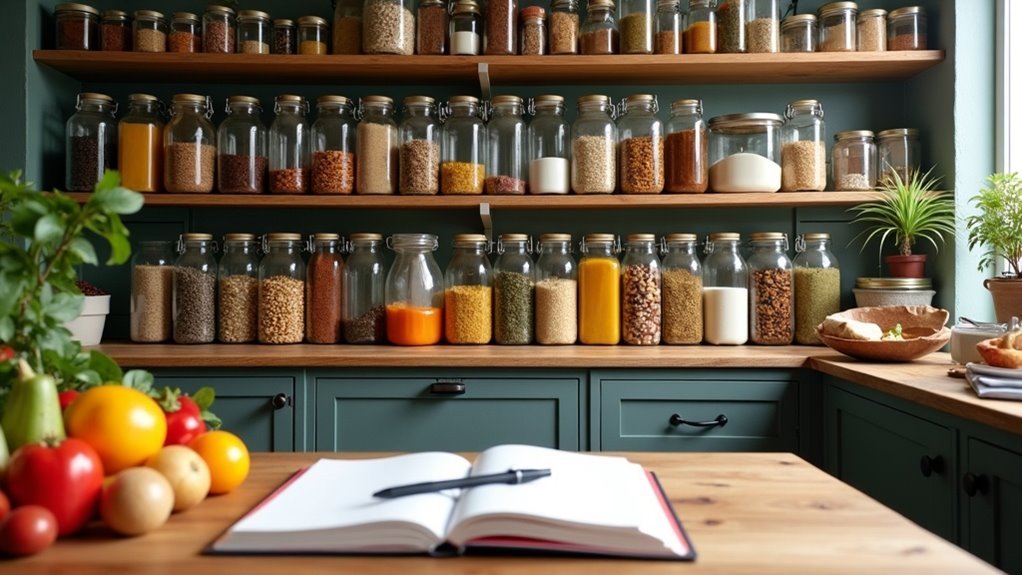
To establish a 72-hour pantry for survival situations, prioritize non-perishable food and essential supplies. Stock up on canned goods, dried fruits, nuts, and energy bars to ensure you meet the caloric needs of 1800-2000 calories per person each day. It’s crucial to store at least three gallons of water per person to stay hydrated. Use airtight containers to keep your provisions dry and fresh. Regularly check expiration dates and practice rotation of your supplies to maintain their viability. Additionally, ensure you have alternative cooking methods available, even in the absence of power. Interested in learning more about sustaining your emergency food supply?
Key Takeaways
- Prioritize non-perishable survival food items, such as canned goods, dehydrated meals, and high-calorie snacks like nuts and granola bars to ensure sustenance for 72 hours in emergencies.
- Aim for a caloric intake of at least 1800-2000 calories per person per day, focusing on nutrient-dense and high-energy options that will sustain you during a crisis.
- Store a minimum of three gallons of water per person, utilizing clean, sealed containers specifically designed for long-term storage to ensure hydration when needed.
- Regularly inspect and replace expired food and water supplies to maintain freshness and safety, ensuring your prepper pantry is always ready for unforeseen events.
- Utilize airtight containers and store your supplies in a cool, dry location to maximize the shelf life of your pantry items and enhance their viability during emergencies.
Preparing Your 72-Hour Emergency Food Supply
When assembling your 72-hour emergency food supply, it’s crucial to prioritize non-perishable items that will provide adequate calories and hydration to ensure your survival during a crisis.
Aim for a minimum intake of 1800-2000 calories per person per day. Consider including high-energy options such as canned foods, dried fruits, nuts, and energy bars, which are all excellent choices for long-term storage.
Additionally, remember to pack at least one gallon of water per person per day to meet your hydration needs, as water is essential for survival.
Store your food and water in a robust, waterproof container to protect against environmental factors.
Don’t forget to include vital tools such as a manual can opener and disposable utensils for meal preparation and consumption.
Regularly inspect your emergency supply for freshness, and promptly replace any expired items to ensure you’re always ready for any situation.
Essential Items for Your Emergency Pantry
When preparing your emergency pantry for survival situations, prioritize stocking non-perishable food staples that can sustain you with a minimum of 1800-2000 calories per person per day.
Opt for items like canned goods, dried fruits, and energy bars, which are essential for long-term storage.
Additionally, remember to secure at least one gallon of water per person per day, aiming for a total of three gallons to ensure adequate hydration throughout a 72-hour crisis.
These critical supplies will be vital for maintaining your health and resilience during emergencies.
Non-Perishable Food Staples
Building a well-stocked emergency pantry is essential for any survivalist or prepper, as it ensures you have a variety of non-perishable food staples to sustain you during unforeseen circumstances.
Start with durable canned goods like meats, vegetables, and fruits to provide essential nutrients. Dried beans are invaluable for their versatility and high protein content. High-calorie foods such as energy bars, peanut butter, and nuts aren’t only easy to store but also offer quick energy boosts in emergencies.
Don’t overlook grains like rice, pasta, and oats, which have impressive shelf lives and are foundational to many meals. Include powdered milk or shelf-stable alternatives to ensure you have a source of calcium and protein.
Finally, remember to stock a manual can opener and disposable utensils to facilitate meal preparation in survival situations.
Water and Hydration Supplies
While you may have stocked up on non-perishable food, don’t overlook the critical importance of water and hydration supplies in your emergency preparedness plan.
It’s essential to store at least one gallon of water per person per day, totaling a minimum of three gallons for 72 hours. Utilize clean, sealed containers, and consider investing in a reliable water filtration system to ensure access to safe drinking water.
Regularly check your supplies and replace water every six months to maintain freshness. Additionally, include essential hydration supplies to help replenish lost minerals:
- Electrolyte packets
- Sports drinks
- Water purification tablets
- Emergency water supply kit
Make sure everyone in your household knows the location of these supplies for quick access during an emergency.
Prioritizing water and hydration will significantly enhance your survival strategy.
Food Suggestions for Short-Term Storage
When stocking your 72-hour pantry for survival situations, prioritize nutrient-dense options that offer energy and sustenance.
Opt for easy-to-prepare meals like canned soups and freeze-dried foods, which can be ready in minutes under pressure.
It’s crucial to include items with a long shelf life, such as grains, beans, and vacuum-sealed proteins, ensuring you’re fully equipped to handle any emergency scenario.
Nutrient-Dense Options
To ensure you have a well-stocked 72-hour pantry for survival situations, prioritize including nutrient-dense options that provide essential sustenance during emergencies. Here are some food suggestions to consider:
- Canned goods: Stock up on beans, vegetables, and fruits that offer long-lasting nutrients and can withstand storage over time.
- Energy bars: Choose high-calorie options that deliver quick energy and protein, making them ideal for maintaining stamina during challenging circumstances.
- Dried fruits and nuts: Opt for lightweight, nutrient-dense snacks that are packed with vitamins and antioxidants, perfect for on-the-go nourishment.
- Freeze-dried food: Invest in ready-to-eat meals that retain their nutritional value and require minimal preparation, making them convenient during emergencies.
Additionally, don’t overlook the importance of hydration; include electrolyte drink mixes to help maintain your energy and balance during stressful situations.
Easy-to-Prepare Meals
A well-planned 72-hour emergency pantry is essential for survival situations and should include a variety of easy-to-prepare meals that require minimal effort and time. Focus on high-calorie emergency food options, such as canned soups and ready-to-eat meals, to maintain your energy levels during challenging times. Incorporate staple items like instant oatmeal and nut butter for quick and nutritious breakfasts. It’s crucial to have canned meats, vegetables, and fruits on hand to provide essential nutrients. Don’t overlook shelf-stable snacks like granola bars and trail mix for on-the-go energy boosts. Additionally, remember to pack a manual can opener and disposable utensils for added convenience.
| Meal Type | Item | Calories per serving |
|---|---|---|
| Breakfast | Instant oatmeal | 150 |
| Lunch | Canned soup | 200 |
| Dinner | Dehydrated meal | 300 |
| Snack | Trail mix | 250 |
| Snack | Granola bar | 100 |
Being well-prepared with these items can make a significant difference in your ability to sustain yourself during an emergency.
Long Shelf Life
When preparing your 72-hour emergency pantry, it’s essential to prioritize food items with an extended shelf life that deliver vital nutrients and energy in times of crisis.
Here are some non-perishable essentials to include in your survival stockpile:
- Canned meats for a reliable protein source
- Energy bars for quick, on-the-go energy boosts
- Dried fruits for natural sweetness and essential vitamins
- Vacuum-sealed nuts and seeds for healthy fats and sustained energy
These items can last for years when stored properly, ensuring you have dependable options in your emergency food supply.
It’s important to regularly check expiration dates and rotate your stock to maintain freshness and be fully prepared for any situation that may arise.
Cooking Without Power: Tips and Techniques
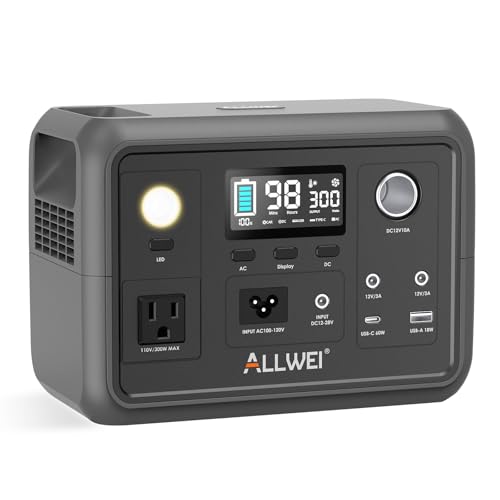
When the power goes out, you can still prepare warm, satisfying meals by utilizing alternative cooking methods that are essential for survival situations. Use gas or charcoal grills, or camp stoves, ensuring proper ventilation to avoid dangerous fumes. Prioritize perishable foods from your refrigerator to prevent spoilage and avoid waste, while saving non-perishable items for later use in your food storage strategy. Keep blankets handy to insulate your freezer during outages and extend the life of your frozen goods. Consider using candle warmers or chafing dishes for reheating, but remember they won’t cook raw foods; always have alternative cooking options ready. It’s crucial to monitor the temperature of your food with a thermometer to ensure safety and prevent foodborne illnesses.
| Cooking Method | Benefits |
|---|---|
| Gas Grill | Fast cooking, portable for emergency situations |
| Charcoal Grill | High heat, adds a smoky flavor, ideal for outdoor cooking |
| Camp Stove | Versatile, easy setup, perfect for various cooking needs |
| Candle Warmer | Gentle reheating, useful for small portions |
Maintaining Your Emergency Food Supply
To maintain an effective emergency food supply, it’s crucial to conduct regular checks and rotations every six months. This practice ensures freshness and allows for the replacement of any expired items.
Regular checks and rotations of your emergency food supply every six months ensure freshness and timely replacement of expired items.
Follow these expert tips for optimal management of your survival provisions:
- Store non-perishable foods in a cool, dry location to maximize shelf life.
- Utilize airtight containers to keep moisture and pests at bay, safeguarding your supplies.
- Maintain a detailed inventory list that includes purchase and use-by dates to monitor your stock effectively.
- Ensure a diverse assortment of nutrient-dense foods, guaranteeing you have 1800-2000 calories per person per day, along with one gallon of water per person daily.
Consistent maintenance will ensure your emergency food supply is always ready for any unforeseen circumstances.
Stay prepared and vigilant!
Additional Resources for Emergency Preparedness
Maintaining your emergency food supply is just one crucial aspect of being fully prepared for any survival situation.
To bolster your preparedness efforts, tap into resources from the University of Georgia Cooperative Extension and FEMA, which stress the importance of having at least three days’ worth of non-perishable foods and essential survival supplies.
The CDC provides invaluable checklists to ensure you meet your hydration requirements and have effective food storage plans in place.
Don’t forget to connect with local community organizations that offer specialized workshops tailored for survivalists and preppers.
Furthermore, leverage online platforms and apps designed for inventory management, which can help you track food expiration dates and ensure your supplies remain fresh and accessible when you need them the most.