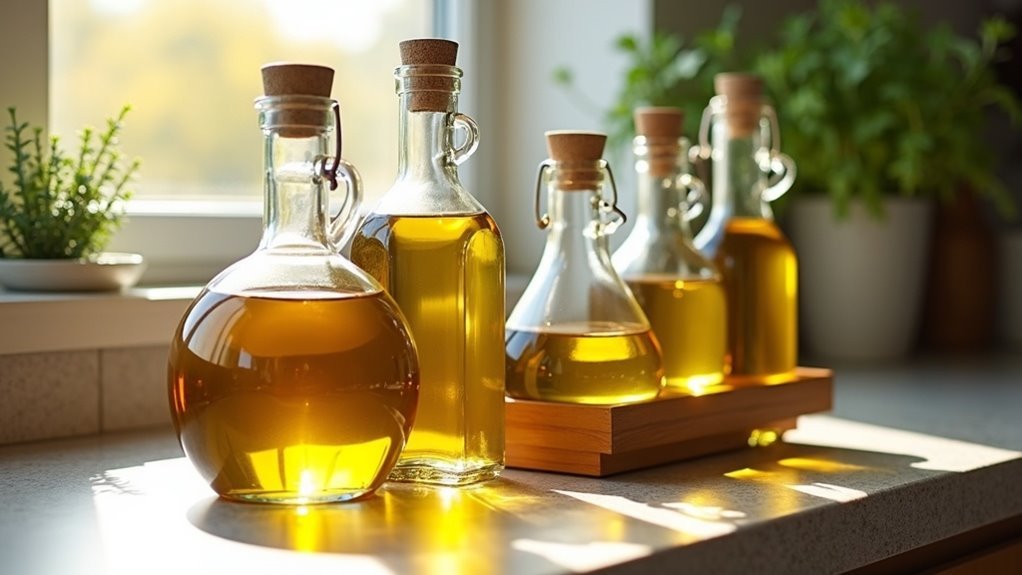
To store cooking oils safely in a survivalist or prepping context, it’s essential to keep them in airtight containers away from light and heat. A cool, dark place is ideal, with stable temperatures between 55-60°F, to prevent degradation. Regularly check for rancidity, especially after opening, as most oils last 1-2 months under optimal conditions. For delicate oils like nut and avocado, refrigeration can significantly extend their shelf life, making them more reliable for long-term storage. Always label containers with the opening dates and ensure you manage your inventory effectively to maintain your supply. Want to learn more about preserving food items and maintaining the quality of your oils for emergency preparedness? There’s more to explore!
Key Takeaways
- Store cooking oils in airtight containers to limit air exposure and prevent oxidation, which is crucial for long-term preparedness.
- Keep oils in a cool, dark place at stable temperatures around 55-60°F to maintain their quality for extended periods, essential for survival situations.
- Regularly check for rancidity after opening and label containers with expiration dates to ensure you have viable supplies when needed.
- Refrigerate delicate oils like nut and avocado oils to extend shelf life, making them a reliable resource during emergencies.
- Avoid pouring used oil down the drain; follow local regulations for safe disposal, ensuring you maintain a clean and sustainable environment in your prepping lifestyle.
Why Proper Cooking Oil Storage Matters
Proper storage of cooking oils is crucial for survivalists and preppers who prioritize quality and safety in their food supplies.
In adverse conditions, improper storage can lead to oxidation and rancidity, which not only compromises flavor but can also pose health risks in a survival situation.
To prevent this, always store oils in airtight containers and keep them in a cool, dark place away from direct sunlight and heat sources.
Most oils can last 1-2 months after opening when stored correctly, making regular checks for rancidity—such as off smells or unusual flavors—essential.
Factors That Affect Cooking Oil Quality
When storing cooking oils for your survival supplies, it’s crucial to understand that exposure to light, temperature fluctuations, and oxygen can significantly degrade their quality.
Light can lead to rapid oxidation, making the oil rancid faster. Additionally, inconsistent temperatures can accelerate this process, compromising the oil’s shelf life.
To ensure your cooking oils remain fresh and usable during emergencies, store them in dark, cool, and airtight containers. This will help preserve their quality and ensure you have reliable cooking resources when you need them most.
Exposure to Light
How does exposure to light affect the quality of cooking oils in a survival situation? Light accelerates the oxidation process, causing oils to become rancid faster and lose their flavor, which is crucial for maintaining morale during long-term storage. Oils in clear containers are particularly vulnerable, while dark bottles help mitigate this damage. Ultraviolet (UV) rays can deplete antioxidants, reducing both the nutritional value and efficacy of these oils for cooking and preservation. To ensure longevity and maintain quality, store oils in dark, cool places away from direct light exposure. Regularly check for signs of rancidity, such as off smells or flavors, especially for oils not stored in light-resistant containers, as these could impact your food supply during critical times.
| Container Type | Light Resistance |
|---|---|
| Clear | Low |
| Translucent | Moderate |
| Dark Glass | High |
| Plastic | Variable |
| Metal | Moderate to High |
Temperature Fluctuations
Cooking oils aren’t only affected by light but also by temperature fluctuations, which can greatly impact their quality and shelf life—an important consideration for survivalists and preppers.
Here are key strategies for maintaining ideal storage conditions:
- Optimal Storage Temperature: Store oils in a cool, dark place at temperatures between 55-60°F to prevent rancidity and preserve their nutritional value, ensuring they remain a reliable resource in your food supply.
- Avoid Heat Exposure: Keep oils away from heat sources such as stoves or ovens; consistent heat can accelerate spoilage, which could compromise your food stock during emergencies.
- Prevent Sudden Temperature Changes: Avoid moving oils from cold to warm environments abruptly, as this can cause condensation that leads to spoilage.
Proper handling will help maintain the integrity of your oil reserves.
Oxygen Interaction
As oxygen interacts with cooking oils, it triggers the oxidation process that leads to rancidity and degradation of both flavor and nutritional quality.
For survivalists and preppers, protecting your oils is crucial for long-term food storage. Minimize exposure to air by using airtight containers, which can significantly extend shelf life in your stockpile.
When you open a bottle, oxidation accelerates, and quality can decline within months, making it important to manage your supplies wisely. Consider pouring oils into smaller containers for bulk storage to further limit oxygen exposure and ensure that you only open what you need.
Regularly monitor your oils for rancidity by checking for off odors or flavors, as oxidized oils can contain harmful free radicals that negatively impact health.
Proper storage is essential for maintaining oil quality and ensuring your preparedness plan remains effective.
Tips for Storing Cooking Oil Effectively
When it comes to ensuring your cooking oils remain fresh and safe for long-term use, proper storage is crucial, especially for those focused on survivalism and prepping.
Implement these strategies to prevent spoilage and maintain quality:
- Use airtight containers: Opt for glass or metal containers to limit air exposure and shield the oils from light, which can degrade their quality over time.
- Store in a cool, dark place: Keep your oils at a stable temperature of 55-60°F, away from heat sources. This is essential to preserve the oils for extended periods, ensuring they remain viable for cooking or emergency needs.
- Label your containers: Clearly mark each container with the expiration date and the date of opening. This helps you keep track of freshness, ensuring you use oils within 1-2 months after opening, which is especially important in a prepping context where inventory management is key.
Should You Refrigerate Your Cooking Oil?
Refrigerating certain cooking oils can be a valuable strategy for preppers looking to extend shelf life and ensure their food supplies remain usable over time.
Delicate oils, such as nut and avocado oil, greatly benefit from refrigeration, as this helps slow oxidation and prevent rancidity, which is crucial during long-term storage situations.
On the other hand, oils with higher smoke points, like canola and vegetable oils, can generally be stored at room temperature without concern.
Always be vigilant for signs of spoilage, such as a shorter shelf life or sensitivity to light, which may indicate that refrigeration is necessary to maintain the quality of your cooking oils in a survival scenario.
Benefits of Refrigerating Oils
While not every cooking oil needs to be stored in the refrigerator, doing so can greatly enhance the longevity and quality of certain oils, especially those that are more delicate and may be harder to replace during challenging times.
Here are three benefits of refrigeration that align with survivalist principles:
- Slows Oxidation: Refrigeration significantly reduces oxidation, which can extend the shelf life of oils that might otherwise go rancid quickly. This is crucial for maintaining your food supply in a survival situation.
- Maintains Quality: Extra virgin olive oil can remain fresh for more than three to six months when chilled. In a prepper’s pantry, keeping your oils in optimal condition ensures you have high-quality ingredients ready for cooking during emergencies.
- Flavor Preservation: While oils like avocado oil can last 6 to 8 months at room temperature, refrigeration locks in flavor, enhancing your meals even when resources are limited.
Always use airtight containers to prevent moisture absorption and preserve quality during storage, ensuring that your food supplies remain safe and effective for as long as possible.
Oils That Require Refrigeration
Certain cooking oils, particularly those sensitive to oxidation, require refrigeration to maintain their freshness and extend their shelf life, which is essential for survivalists and preppers looking to store food supplies effectively. Nut oils and avocado oil are prime examples. Refrigeration slows oxidation, preventing rancidity, which is crucial when planning for long-term food storage. Here’s a quick overview:
| Oil Type | Recommended Storage Duration (Refrigerated) |
|---|---|
| Walnut Oil | 3 to 6 months |
| Hazelnut Oil | 3 to 6 months |
| Avocado Oil | 6 to 8 months |
| Other Nut Oils | 3 to 6 months |
| General Oils | Depends on type |
Always use airtight containers to minimize air exposure and prevent odor absorption, ensuring your survival pantry remains stocked with fresh and usable oils. Proper storage can make a significant difference in maintaining the quality of your food supplies during emergencies.
How to Keep Cooking Oil From Going Rancid
To ensure your cooking oil remains usable and doesn’t go rancid, it’s essential to store it properly, especially in a survival situation where resources must be preserved.
Keep your oils in a cool, dark place with temperatures maintained between 55-60°F. Adhere to these best practices to extend the shelf life of your oils:
- Use airtight containers made of dark glass or metal to shield oils from light and air, which can accelerate spoilage.
- Avoid transferring oils to smaller containers; this increases exposure to oxygen and can lead to faster deterioration.
- Regularly inspect your oils for signs of rancidity, such as off odors, bitterness, or color changes.
Discard any oils that show these signs immediately to avoid compromising your food supply.
Is It Safe to Use Stale Oil?
Using stale oil can compromise both your health and the quality of your survival meals. Rancid oils may contain harmful free radicals that can lead to digestive distress and chronic diseases, which is particularly concerning in a survival situation where maintaining good health is crucial.
Signs of stale oil include unpleasant odors, off-flavors, and changes in color or consistency, indicating oxidation. Such oil can also deplete essential vitamins like B and E, reducing the nutritional value of your food supplies.
It’s essential to dispose of any oil past its expiration date or exhibiting signs of rancidity, especially when resources are limited. Regularly check your oil’s freshness and adhere to proper storage practices to ensure it’s safe to use when you need it most.
What to Do With Cooking Oil After Frying
After frying, it’s crucial to handle the cooking oil properly to ensure safety and preserve its quality for future use, especially in survival situations. Follow these steps:
- Allow the oil to cool completely to prevent burns and potential accidents.
- Strain the used oil through a fine mesh sieve or cheesecloth to eliminate food particles that can accelerate rancidity, ensuring it remains useful for later cooking.
- Store the filtered oil in airtight containers, keeping them in a dark, cool place, away from air and heat to maximize shelf life.
Label each container with the date of use to maintain an organized inventory. Properly stored cooking oils can last 1-2 months, making them a valuable resource in your prepping supplies.
However, always check for rancidity before reuse to ensure safety and quality in your survival cooking endeavors.
How to Dispose of Oil Properly
Proper disposal of used cooking oil is crucial not only for environmental preservation but also for maintaining self-sufficiency in survival situations.
Always allow the oil to cool completely before handling, and consider filtering it to remove any food particles—this enhances its potential for recycling or repurposing.
Never pour oil down the drain or toilet; this can lead to severe plumbing issues that could compromise your living conditions.
Instead, store the used cooking oil in a sealed container, such as a milk carton or glass jar, to prevent leaks and contamination.
Research local waste management regulations and recycling options, as many communities provide programs or designated drop-off locations for hazardous waste.