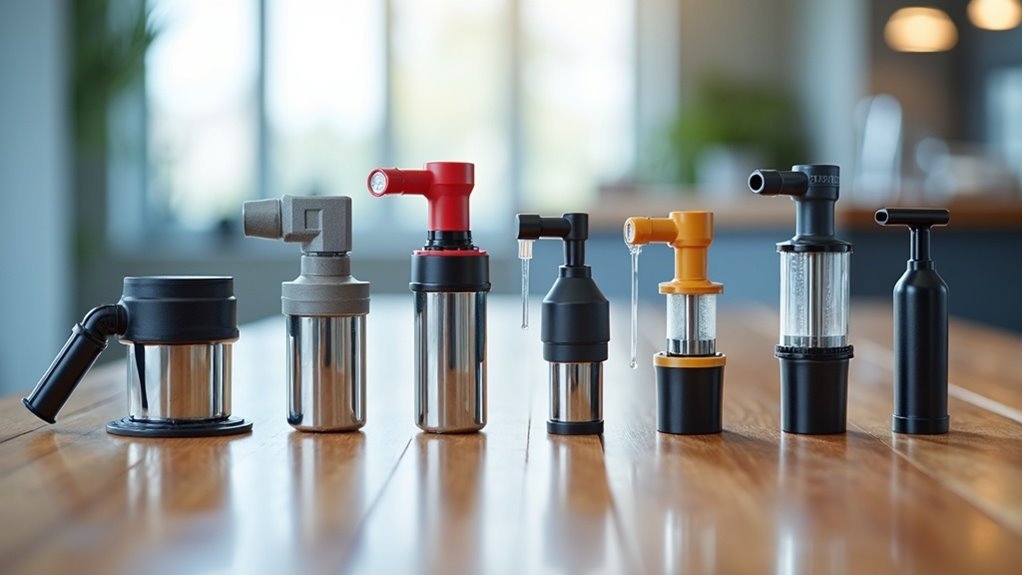
To set up handwashing stations for survival situations, gather insulated containers with spigots for clean water, biodegradable hand cleaner, and disposable towels. Position the station near food prep areas, ensuring it’s easily accessible and protected from environmental elements. Regular maintenance is crucial—check supplies daily and ensure signage is clear for all users. Compliance with local health regulations is also essential, especially in a survival context. By following these steps, you’ll establish a hygienic environment that helps prevent illness in challenging conditions—stay tuned for more valuable information that can enhance your survival setup.
Key Takeaways
- Position handwashing stations near food prep areas in your survival setup for easy access and hygiene compliance, especially during emergencies.
- Use insulated containers with spigots for clean water and provide a discard bucket for managing wastewater effectively in a survival scenario.
- Equip stations with biodegradable hand cleaner, soap, disposable towels, and waste baskets to maintain proper hygiene while prepping or during a crisis.
- Ensure that the stations are protected from environmental elements, such as rain and wind, and allow sufficient space for movement and operation.
- Conduct regular maintenance of your handwashing stations, including daily cleaning, refilling supplies, and checking for leaks or damage to ensure they remain functional when needed most.
Importance of Hand Washing
Hand washing is a vital skill for survivalism and prepping, especially in situations where access to clean water may be limited. Maintaining proper hygiene is crucial for preventing illness, particularly when dealing with food preparation in outdoor or emergency settings.
Regular hand washing can significantly reduce the risk of foodborne diseases, which is essential for staying healthy in a survival scenario. When setting up a cooking area, it’s important to establish a hand washing station within reach to ensure cleanliness.
Knowledge of food safety practices, including effective hand washing techniques, is crucial for those who want to be self-sufficient and resilient. Having access to potable water is critical for these hygiene practices, allowing you to uphold standards that protect not only your health but also the well-being of those around you.
Required Equipment for a Hand Washing Station
To effectively set up a hand washing station in a survival situation, it’s crucial to focus on three key components: insulated containers, waste disposal solutions, and essential hygiene supplies.
An insulated container with a free-flowing spigot ensures that you have clean water readily available, which is vital for maintaining health and hygiene when resources are limited.
A discard bucket helps manage wastewater efficiently, preventing contamination of your environment.
Don’t overlook the importance of suitable hand cleaner, preferably biodegradable, disposable towels, and a waste paper basket to maintain hygiene standards and proper waste management, ensuring your prepping efforts are thorough and effective.
Insulated Container Requirements
When establishing a handwashing station for survival situations, an insulated container with a free-flowing spigot is essential for providing warm water effectively.
Ensure the container size is sufficient to supply enough water for multiple hand washings, especially during extended events or emergencies. A Cambro insulated container is highly recommended due to its robust design and convenient Velcro attachment for quick setup.
Always fill the container with potable water to ensure safety and effectiveness during handwashing, especially in situations where hygiene is critical.
Additionally, regular maintenance and inspections of the spigot are vital to ensure that water flows freely and hygienically, providing a dependable handwashing solution for all users in any survival scenario.
Waste Disposal Solutions
Establishing effective waste disposal solutions is critical for maintaining hygiene at handwashing stations, especially in survival situations. It’s essential to ensure that your discard bucket is equal to or greater than the size of the insulated container to manage waste properly. Always dispose of gray water in accordance with local health regulations; avoid ground dumping to prevent contamination of your surroundings. Place a waste paper basket within easy reach for used towels to promote cleanliness and efficiency. Here’s a quick reference table for your waste disposal needs in a survival context:
| Item | Size Requirements | Notes |
|---|---|---|
| Discard Bucket | ≥ Insulated Container | Essential for proper waste disposal |
| Gray Water Disposal | Local Regulations | Prevents contamination |
| Waste Paper Basket | Easily Accessible | Encourages proper hygiene practices |
Essential Hygiene Supplies
Maintaining hygiene at handwashing stations is crucial for survival situations, and it goes beyond just effective waste disposal; it requires having the right supplies on hand.
An insulated container with a free-flowing spigot is essential for easy access to potable water, which can be a lifesaver in emergency scenarios. A discard bucket, equal to or larger than the water container, is vital for disposing of used water efficiently.
Ensure you have a suitable hand cleaner, which could be sourced locally or stocked from your prepper supplies, and provide disposable towels for drying hands, along with a waste paper basket for proper disposal.
To enhance hygiene and reduce contact points, consider using a Cambro insulated container with an automatic spigot, ensuring your handwashing process remains as sanitary as possible in any situation.
Setting Up the Station
To effectively set up a handwashing station for survival situations, start with a durable table that can endure frequent use and harsh conditions.
Use a reliable Cambro insulated container with a free-flowing spigot to ensure easy access to clean water. It’s crucial to include a discard bucket that’s equal to or larger than the water container to manage the disposal of used water efficiently.
Ensure easy access to clean water with a Cambro insulated container and a properly sized discard bucket for efficient waste management.
Equip the station with a suitable hand cleaner, disposable towels, and a waste paper basket to maintain hygiene, especially in outdoor or emergency scenarios.
This setup typically costs between $150 to $300, making it a practical investment for preparedness activities like community events or survival workshops.
Hand Washing Procedure
Washing your hands properly is crucial for preventing the spread of germs and maintaining health, particularly in survival situations where resources may be limited.
Begin by thoroughly wetting your hands; this initial step is vital for effectively removing dirt and germs. Next, vigorously rub your hands together for at least 20 seconds. To ensure you’re washing for the right amount of time, you can sing “Happy Birthday” twice—this method not only keeps the process engaging but also ensures thorough cleaning.
Once you’ve finished washing, use a paper towel to turn off the water, which helps prevent re-contamination. Finally, dispose of any gray water in a designated container to minimize environmental impact.
Cost and Investment Considerations
When considering the establishment of handwashing stations for survival scenarios, it’s essential to evaluate both initial setup costs and long-term investment benefits.
Portable handwashing stations typically cost between $150 and $300, while renting for one-time use ranges from $115 to $150. For frequent events or situations, investing in reusable stations is more cost-effective, significantly reducing repeated rental expenses.
Additionally, proper planning of your setup ensures compliance with hygiene standards, which can help you avoid costly health issues in emergencies.
Ultimately, reviewing these factors not only helps manage your preparedness budget but also enhances the overall efficiency and safety of your operations in critical situations.
Resources for Further Information
Understanding the resources available for setting up handwashing stations can significantly bolster your survival preparedness efforts.
For comprehensive guidelines, visit michigan.gov/farmersmarkets, which offers essential resources and regulations tailored to food safety in various settings.
Don’t hesitate to reach out to local health inspectors; they can provide clarification on specific food safety policies related to handwashing setups, crucial in emergency situations.
When selecting equipment, consider the Cambro insulated container with a Velcro attachment and automatic spigot to enhance hygiene and ease of use.
Ensure you source appropriate hand cleaner locally or bring it from home, and remember to include a waste paper basket for used towels.
These components are vital for establishing a complete and compliant handwashing station, which is an important aspect of maintaining health and sanitation in any survival scenario.