To use a tourniquet correctly in a survival situation, apply it 2-3 inches above the wound on bare skin, avoiding joints to ensure maximum effectiveness. Utilize the PULL-TWIST-CLIP method to secure it, tightening until the bleeding stops. Remember, do not loosen or remove the tourniquet unless medical professionals arrive; instead, document the time of application for reference. Always keep a vigilant eye on the victim for any signs of shock. Mastering these steps is crucial in survival scenarios, and understanding the broader context of first aid can significantly enhance your preparedness for emergencies.
Key Takeaways
- When applying a tourniquet, position it 2-3 inches above the wound on bare skin, avoiding joints to ensure effective control of bleeding during emergency situations.
- Utilize the PULL-TWIST-CLIP technique to secure the tourniquet until bleeding is controlled, making sure it is snug enough to stop the blood flow but not excessively tight to cause additional harm.
- It’s crucial to document the time the tourniquet was applied and relay this information to medical professionals as part of your preparedness plan for effective treatment in emergencies.
- Stay vigilant by monitoring the victim for signs of shock and provide detailed updates on their condition to emergency responders, which is essential in survival scenarios.
- Remember, do not loosen or remove the tourniquet unless you are in the presence of trained personnel, as this could worsen the injury and jeopardize the victim’s survival.
Key Takeaways
When confronted with a situation involving severe bleeding, having the knowledge and skills to effectively use a tourniquet can be crucial for survival.
To control life-threatening bleeding, position the tourniquet 2-3 inches above the wound, ensuring it’s applied directly to bare skin and avoiding any joints. If direct pressure is ineffective, prompt application of the tourniquet is vital to minimize blood loss.
Position the tourniquet 2-3 inches above the wound on bare skin, avoiding joints, to effectively control life-threatening bleeding.
Communicate with the injured individual about the procedure and the potential pain they may experience. Always document the time the tourniquet was applied, as this information is essential for emergency medical responders.
Keep in mind that tourniquets should be considered a last resort, employed only after other methods such as direct pressure and elevation haven’t achieved desired results.
Being prepared and knowledgeable in these techniques is an essential aspect of survivalism and prepping.
When to Use a Tourniquet
Understanding when to use a tourniquet is crucial for survivalists and preppers, as it can be the decisive factor between life and death in emergency scenarios.
A tourniquet should be applied for life-threatening bleeding in an arm or leg when direct pressure fails to control the hemorrhage. This technique is vital for managing severe blood loss resulting from gunshot wounds, deep lacerations, or traumatic injuries sustained in survival situations.
Keep in mind that a tourniquet is a last resort in emergency first aid, so it’s important to act swiftly. Prompt intervention can significantly enhance survival odds in critical situations while awaiting the arrival of medical professionals to identify and treat the source of the bleeding.
Types of Tourniquets
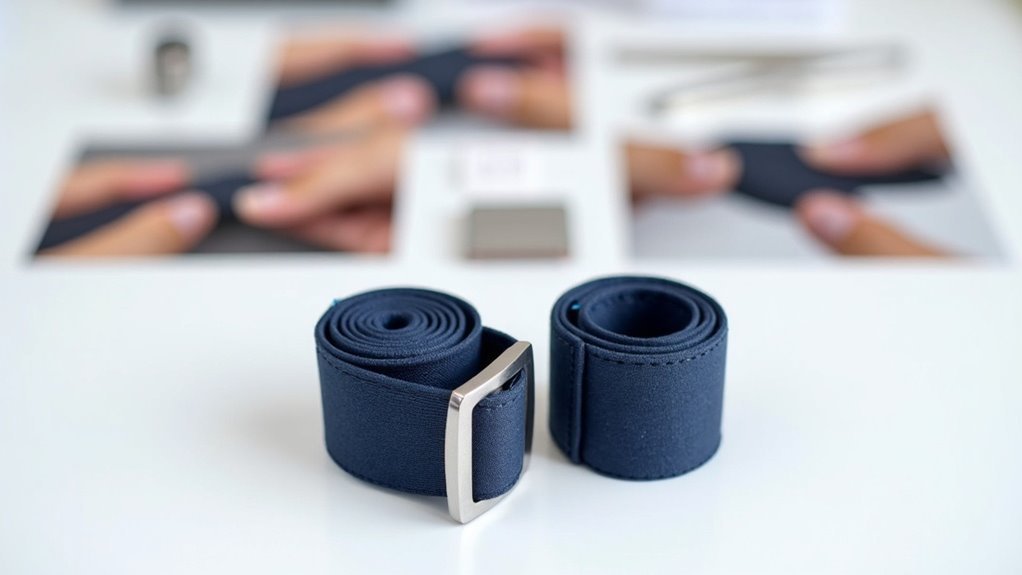
Tourniquets are essential tools in survival situations, and understanding the different types can significantly impact your preparedness and response effectiveness. Each type serves different needs and levels of expertise, making it crucial to select the right one for your survival kit.
- Commercial medical tourniquets: These are reliable and effective for trained emergency responders, making them a vital addition to any serious survival gear.
- Pneumatic tourniquets: Designed with an inflatable cuff for precise control, they’re often used in surgical settings, but can also be useful for those with advanced medical training during emergencies.
- Non-pneumatic tourniquets: Lightweight and portable, these are ideal for emergency kits. While they may be less effective than their pneumatic counterparts, they’re still a valuable option for quick response in the field.
- Improvised options: While better than having no tourniquet at all, improvised solutions can fail up to 80% of the time. Use them only as a last resort and with caution.
In survival situations, selecting the appropriate tourniquet type is crucial for effective bleeding control and can make a significant difference in outcomes.
Be prepared and train regularly to ensure you’re ready when it matters most.
How to Use a Tourniquet Correctly
Knowing how to use a tourniquet correctly can be the difference between life and death in a severe bleeding situation, particularly in survival scenarios.
First, apply direct pressure to the wound for at least 15 minutes to minimize blood loss. If you must apply a tourniquet, position it 2-3 inches above the wound on bare skin, avoiding joints.
Use the PULL-TWIST-CLIP method to secure the windlass until bleeding stops. It’s crucial to record the time of application, as emergency services will need this information when they arrive.
Remember, never loosen or remove the tourniquet; only trained medical personnel should handle it after your initial first aid training.
Being prepared with this knowledge can enhance your survival skills in emergency situations.
Common Mistakes and Risks of Improper Tourniquet Use
When utilizing a tourniquet in a survival situation, it’s crucial to quickly assess the need for one; any hesitation can have dire consequences.
Proper application techniques are essential—applying it too loosely or over clothing can severely diminish its effectiveness.
Furthermore, loosening the tourniquet after it has been secured can exacerbate the injury and increase the risk of significant damage.
In preparedness, mastering these skills can be the difference between life and death in critical scenarios.
Delayed Recognition of Need
Recognizing the urgent need for a tourniquet can be the difference between life and death in a severe bleeding situation, especially in survival scenarios where help may not be immediately available.
Delayed recognition often leads to irreversible blood loss, increasing the risk of shock and potential mortality.
To guarantee prompt intervention during emergencies, be vigilant for:
- Signs of severe bleeding, such as rapid heart rate or low blood pressure, that indicate the need for immediate action.
- The critical importance of acting quickly and applying a tourniquet at the first signs of severe bleeding.
- The reality that every minute counts in life-threatening situations, and preparedness can save lives.
- Common mistakes, like waiting too long to assess the severity of bleeding, which can lead to tragic outcomes.
Your swift action can stop blood flow and save a life during emergency care, making effective first aid training and preparedness essential for any survivalist or prepper.
Incorrect Application Techniques
Applying a tourniquet incorrectly can have dire consequences, negating the life-saving benefits it offers in survival situations. Common mistakes include applying the tourniquet too loosely, which fails to control bleeding effectively, or placing it over clothing, which hinders the necessary pressure on the injury. It’s crucial not to loosen the tourniquet once it’s applied, as fluctuating pressure can severely damage the limb. Additionally, relying on a single tourniquet for larger limbs often results in inadequate hemorrhage control. Understanding these errors is essential for anyone interested in survivalism and prepping, as it can mean the difference between life and death in critical situations.
| Mistake | Consequence |
|---|---|
| Applying too loosely | Fails to stop arterial blood flow |
| Over clothing | Inadequate compression of blood vessels |
| Loosening after application | Severe damage to blood vessels and tissue |
| Single tourniquet on large limb | Inadequate control of hemorrhage |
Risks of Loosening Tourniquet
Loosening a tourniquet after it’s applied can lead to serious complications, including irreversible damage to blood vessels and tissues, which could jeopardize your survival in a critical situation.
This action can result in life-threatening scenarios, making it essential for only trained individuals to remove or loosen a tourniquet to prevent severe damage from resumed blood flow.
- It can cause ischemia, significantly increasing the risk of limb loss.
- Ineffective bleeding control may necessitate additional emergency measures.
- Leaving a tourniquet on for too long can lead to permanent tissue damage.
- Incorrect application can escalate complications and worsen outcomes.
Always remember: a properly applied tourniquet should remain intact until a qualified responder can take over, ensuring the best chance for survival in an emergency.
Best Practices and When Not to Use a Tourniquet
When faced with a severe, life-threatening injury during your survival or prepping endeavors, knowing the best practices for using a tourniquet can make all the difference.
Only use a tourniquet for uncontrollable bleeding after direct pressure has failed. First, remove any clothing around the injury and apply the tourniquet tightly, two to three inches above the wound. It should be wrapped snugly around bare skin, making sure to avoid joints.
Only apply a tourniquet for severe, uncontrollable bleeding after direct pressure fails, ensuring it’s positioned above the wound on bare skin.
Remember, a tourniquet isn’t appropriate for minor injuries or wounds to the head and torso. If the limb is large, it’s advisable to apply a second tourniquet.
Keep a close eye on the victim for signs of shock and be sure to inform medical professionals of the time the tourniquet was applied when they arrive. Your ultimate goal is to effectively stop the bleeding and ensure survival in critical situations.