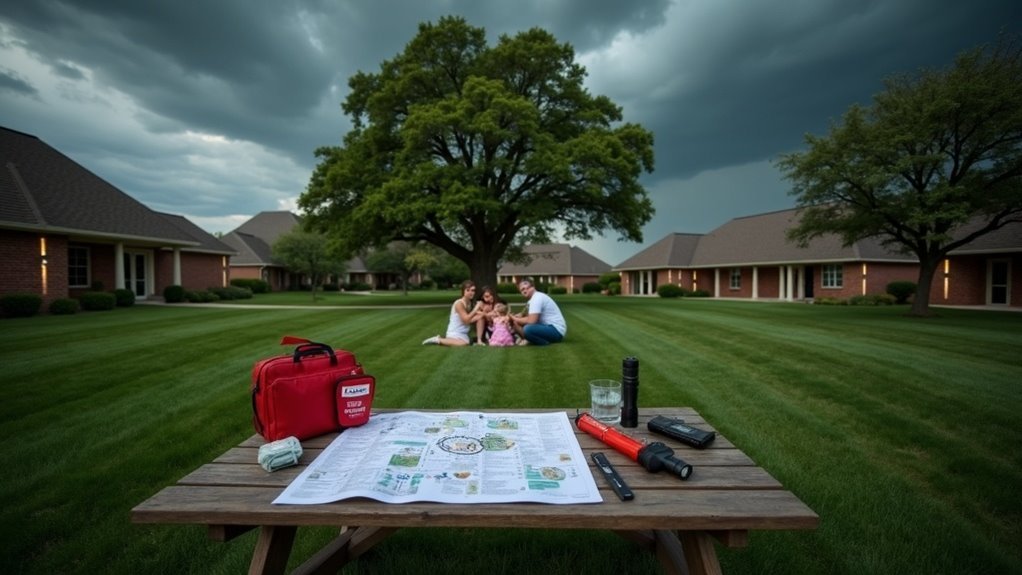
To effectively prepare for tornadoes, it’s essential to grasp the nuances of alerts and to fortify your home. Begin by distinguishing between a tornado watch, which indicates conditions are favorable for a tornado, and a tornado warning, which signifies that a tornado has been sighted or indicated by radar. Establish a designated safe space in your home, ideally a basement or an interior room on the lowest floor, and ensure it has no windows. Regularly conduct tornado drills with your family to ensure everyone knows what to do when disaster strikes.
Assemble comprehensive emergency kits that include non-perishable food, water, first aid supplies, essential medications, and a flashlight with extra batteries. Stay vigilant by monitoring local alerts, weather apps, and NOAA weather radio for real-time updates. Additionally, during a tornado, protect your head and neck with your arms or a sturdy object, such as a mattress or heavy blanket. Understanding these tornado safety and preparedness strategies is crucial for survivalism and ensuring you and your loved ones are ready when severe weather strikes.
Key Takeaways
- Identify and prepare a secure shelter location within your home, ideally in the lowest level and away from windows to maximize safety during a tornado.
- Assemble essential emergency supplies, including non-perishable food, water, medications, and a comprehensive emergency kit tailored for survival situations.
- Conduct regular tornado drills with all household members to ensure everyone is familiar with the safety procedures and knows the designated shelter location.
- Sign up for local emergency alerts and actively monitor weather updates to stay informed about tornado watches and warnings; this is crucial for effective preparedness.
- Develop a clear communication plan for your household, ensuring that all members know how to connect and share information during an emergency, reinforcing your overall survival strategy.
Understanding Tornado Alerts
How can you effectively respond to tornado alerts as part of your survival strategy? First, it’s crucial to understand the difference between a Tornado WATCH and a Tornado WARNING. A WATCH indicates that conditions are favorable for tornadoes, which means you should stay informed and maintain a vigilant mindset.
When a WARNING is issued, it means a tornado has been sighted or detected by radar, necessitating immediate action to ensure your safety.
A Tornado WARNING signals immediate danger; take swift action to ensure your safety and protect your loved ones.
To enhance your preparedness, familiarize yourself with severe weather signs, such as a loud roar or the appearance of funnel clouds. It’s essential to stay updated with local weather alerts, as tornadoes can form unexpectedly and at any time.
Being proactive in recognizing these alerts and signs is vital for implementing timely protective measures and ensuring the safety of you and your loved ones.
Consider incorporating emergency plans and supplies into your prepping strategy to be better equipped for such situations.
Preparation Before a Tornado
As tornado season approaches, being adequately prepared can significantly enhance your chances of survival during a storm.
Begin by identifying a secure location within your home, preferably on the lowest level and devoid of windows, to serve as your safe room. Conduct regular tornado drills with your household to ensure that everyone is familiar with the quickest route to safety.
Assemble essential emergency supplies, including non-perishable food, clean water, and necessary medications. Create a Go-Kit for evacuation and a Stay-at-Home Kit for sheltering in place, ensuring you have everything you need to sustain yourself for an extended period.
Stay informed by signing up for local emergency alerts and continuously monitoring weather updates.
Importantly, remember that mobile homes or RVs aren’t safe during tornadoes; always seek out sturdy buildings or designated storm shelters for protection.
Emergency Skills and Resources
To effectively respond during a tornado, it’s crucial to hone essential survival skills and acquire necessary prepping resources.
Mastering First Aid and CPR equips you to assist injured individuals in emergencies, while assembling comprehensive emergency kits ensures your family has vital supplies ready.
Furthermore, utilizing preparedness resources keeps everyone informed and primed to act decisively when disaster strikes.
Embracing a survivalist mindset prepares you for any scenario nature may present.
First Aid Training
First Aid training equips you with essential skills to respond effectively during a tornado, a critical aspect of survivalism and prepping. By learning to recognize and treat injuries, you can significantly enhance survival rates in emergency situations. Organizations like the American Red Cross offer accessible courses online or in-person, ensuring you’re prepared for the unexpected. Key skills include CPR, using an AED, and addressing common tornado-related injuries.
| Skill | Importance | Resources |
|---|---|---|
| Recognizing injuries | Immediate assistance needed | First Aid courses |
| CPR | Critical for cardiac arrest | Red Cross certifications |
| AED usage | Lifesaving in emergencies | Online training available |
Regular recertification is vital to keep your skills sharp and ready for action when facing natural disasters or emergencies. Ensure you’re always prepared to protect yourself and your loved ones.
Emergency Kit Essentials
When a tornado strikes, having a well-prepared emergency kit can be a game changer for your survival and safety. Your kit should include at least a three-day supply of non-perishable food and water—aim for one gallon per person per day.
Essential items to pack are a reliable flashlight, extra batteries, a comprehensive first aid kit, and necessary medications for every family member. Remember to include personal hygiene items such as wet wipes and hand sanitizer to maintain cleanliness during emergencies.
A battery-powered or hand-crank radio is vital for receiving emergency alerts when traditional power sources fail. Lastly, ensure important documents are stored in a waterproof container to keep them safe and easily accessible in times of crisis.
Being prepared is key in survivalism, so take the time to assemble your kit thoughtfully.
Accessing Preparedness Resources
Assembling an emergency kit is just one step in your comprehensive tornado preparedness strategy; knowing how to access vital resources and skills can significantly enhance your readiness.
Take proactive measures by learning First Aid and CPR, empowering you to assist others during emergencies and ensuring you’re equipped to handle crises effectively.
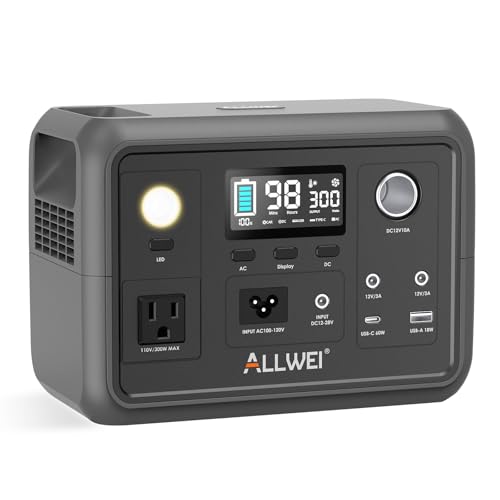
Prepare for power outages by planning backup power solutions to keep essential devices operational, ensuring you stay connected and informed.
Secure your personal, financial, and medical records for easy access, streamlining recovery efforts and safeguarding your vital information.
Stock up on tornado preparedness kits and first aid supplies to guarantee you have the necessary resources readily available.
Finally, explore tornado preparedness videos and checklists in multiple languages to educate your community effectively, fostering resilience and preparedness among those around you.
Actions During a Tornado
When a tornado strikes, your first action should be to stay informed by monitoring weather updates through your emergency radio or mobile device.
Immediately seek shelter in a designated safe room or the lowest level of your home, away from windows and exterior walls.
As you settle in, utilize your survival gear to protect your head and neck—using your arms, a sturdy object, or even a dedicated emergency helmet can help minimize injury from debris.
Always be prepared with a well-stocked emergency kit, including food, water, and first aid supplies, to enhance your chances of survival in the aftermath.
Monitor Weather Updates
To effectively respond during a tornado, staying informed about weather updates is crucial for survivalism and prepping. Regularly monitor local weather channels, apps, or NOAA Weather Radio for real-time updates on tornado watches and warnings.
Signing up for text alerts from local emergency management agencies ensures you receive immediate notifications about severe weather conditions. It’s wise to keep a battery-powered or hand-crank weather radio handy, as power outages can occur during storms.
Additionally, be aware of visual cues like rapidly rotating clouds or a loud roar, which can indicate an approaching tornado. Have a predetermined plan for communication and shelter, ensuring your family knows the safest options during a tornado warning.
Being prepared and informed is key to enhancing your chances of survival during severe weather events.
Seek Immediate Shelter
Although tornadoes can strike with little warning, understanding how to seek immediate shelter is crucial for survivalism and prepping. When a tornado warning is issued, quickly move to a designated safe room or the lowest level of your shelter, ensuring you’re away from windows and exterior walls.
If you find yourself outside or in a vehicle, your best option is to seek a low-lying area, such as a ditch, and lie flat while covering your head and neck to protect against flying debris.
Stay informed by utilizing a battery-operated weather radio or a charged mobile device for real-time updates and alerts. Ensure that all household members are familiar with the fastest route to your safe shelter, and conduct regular tornado drills to reinforce readiness and response.
Protect Head and Neck
Once you’ve secured a safe shelter, your next critical step is to protect your head and neck, as they’re particularly vulnerable during a tornado.
To minimize the risk of injury, follow these essential steps:
- Crouch down and use your arms to create a protective barrier for your head and neck.
- If available, place a sturdy object like a mattress or heavy blanket over your body for added protection.
- Ensure you’re positioned away from windows in a designated safe room or sturdy structure.
- Keep your head and neck covered until the threat has passed.
- Utilize a helmet or any available head protection for enhanced safety.
Taking these proactive measures can significantly decrease your chances of sustaining severe injuries during a tornado.
Always be prepared and equipped for emergencies as part of your survivalist strategy.
Safety After a Tornado
After a tornado strikes, ensuring your safety becomes paramount, especially when navigating through debris and damaged structures.
Immediately avoid entering any buildings until they’re declared safe, as they may be structurally unsound. Be alert for hazards such as debris, exposed nails, and downed power lines during the cleanup process.
Always wear protective gear, including gloves and sturdy footwear, to minimize the risk of injuries. Refrain from using matches or lighters indoors due to the possibility of gas leaks that could ignite.
Additionally, avoid carbon monoxide hazards by not operating gas-powered generators or grills inside homes or enclosed areas. Your safety hinges on your awareness and preparedness.
Always be ready with a survival kit and a communication plan to ensure you and your loved ones can navigate the aftermath of a tornado effectively.
Staying Connected and Informed
To effectively respond to tornado threats, it’s essential for survivalists to stay connected and informed about evolving weather conditions.
Staying connected and informed is crucial for survivalists facing tornado threats.
Here are key steps to help you stay updated and prepared:
- Sign up for local emergency alerts to receive real-time updates directly to your devices.
- Utilize weather apps and reliable websites for immediate access to forecasts and alerts.
- Keep a battery-operated or portable weather radio in your survival kit for emergency broadcasts, ensuring you can receive information even when the power is out.
- Follow local news outlets and reputable survivalist forums on social media for community updates, resources, and preparedness tips.
- Ensure all household members are familiar with your emergency communication plan, including check-in procedures and designated meeting points.
Additional Resources for Tornado Preparedness
While staying informed about tornado threats is crucial, accessing additional resources can significantly enhance your preparedness efforts.
Make sure to check your local government and emergency management websites for up-to-date tornado preparedness resources and alerts tailored to your area.
Leverage the Red Cross’s online materials, including checklists and educational videos, to deepen your understanding of tornado safety and survival techniques.
Consider joining community preparedness programs or workshops to fine-tune your response strategies and emergency skills.
Download weather alert apps for real-time notifications on tornado watches and warnings, ensuring you remain vigilant.
Familiarize yourself with FEMA’s guidelines on disaster preparedness, emphasizing the importance of emergency kits and family communication plans to ensure you’re fully equipped for any situation.