To effectively prepare for earthquakes, begin by evaluating local risks, including identifying fault lines and assessing potential hazards such as liquefaction and landslides. Ensure that heavy furniture is secured to prevent tipping during tremors, and consider retrofitting older structures to enhance their resilience. Assemble a comprehensive disaster kit stocked with non-perishable food, ample water, first aid supplies, a flashlight, and other essential survival gear. Familiarize yourself with the appropriate response strategies during an earthquake, particularly the Drop, Cover, and Hold On method, to minimize injuries. After the quake, conduct a thorough assessment for injuries and inspect your property for structural damage. For more advanced strategies and techniques to boost your safety and preparedness, further resources are available.
Key Takeaways
- Research local fault lines and assess the seismic risks specific to your area to effectively prepare your homestead and loved ones.
- Secure heavy furniture and appliances to walls, and evaluate seismic retrofitting for older structures to strengthen their resilience against tremors.
- Assemble a robust disaster supply kit stocked with essentials such as non-perishable food, ample water, a reliable flashlight, and a comprehensive first aid kit.
- Develop a detailed earthquake preparedness plan that incorporates communication strategies and designated rendezvous points for family members in case of an emergency.
- Regularly conduct drills on earthquake safety protocols like Drop, Cover, and Hold On to ensure that everyone is well-prepared to react swiftly and effectively during a seismic event.
Understanding Earthquake Risks
Understanding earthquake risks is vital for survivalists and preppers, especially since earthquakes can strike with little warning.
Prioritizing knowledge of local fault lines is crucial, particularly in seismic hotspots like California, which is home to nearly 16,000 known faults. If your home was built before 1980, it likely doesn’t meet current seismic safety standards, increasing your vulnerability to disaster.
Understanding local fault lines is essential for safety, especially in earthquake-prone areas like California, where older homes may be at higher risk.
Conducting site-specific risk assessments is essential to identify hazards such as liquefaction, where loose soils can destabilize structures, jeopardizing your safety and preparedness.
Additionally, you must consider the potential for landslides, tsunamis, and aftershocks, which can complicate post-earthquake scenarios and hinder your survival efforts.
Developing a comprehensive earthquake preparedness plan that addresses these risks is critical for ensuring safety and minimizing damage during seismic events.
Equip yourself with the knowledge and tools necessary to withstand and navigate the challenges posed by earthquakes, and ensure you have a resilient strategy in place for you and your loved ones.
Preparing Your Home for Earthquakes
To ensure your home is prepared for the forces of an earthquake, it’s essential to implement specific survival measures that address common vulnerabilities.
Secure tall and heavy furniture, like bookshelves, to walls using brackets or straps to prevent them from toppling during a quake. Anchor water heaters according to local building codes to avoid hazardous leaks.
Remove heavy picture frames and mirrors from over beds and seating areas to reduce potential injuries. Store flammable liquids, such as gasoline, in a garage or shed, away from living spaces, minimizing fire risks in the aftermath of an earthquake.
For older homes, consider seismic retrofitting to reinforce foundations and enhance structural integrity.
Regularly review your earthquake preparedness plan and ensure you have sufficient earthquake insurance to protect your assets and ensure your family’s safety in case of disaster.
Essential Emergency Supplies
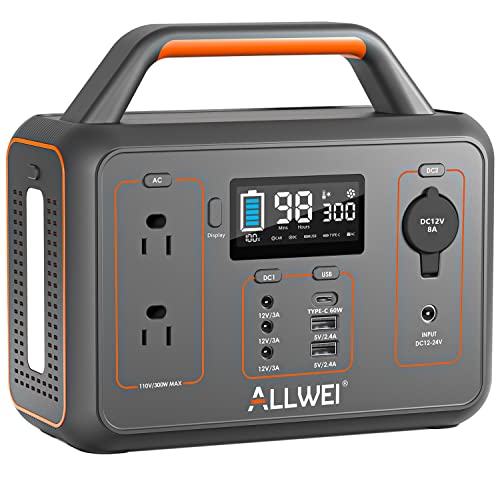
When an earthquake strikes, being prepared with essential emergency supplies can greatly enhance your survival and resilience. Assemble a comprehensive disaster supply kit that includes at least three days’ worth of non-perishable food and water—aim for one gallon per person per day.
Equip yourself with a reliable flashlight and extra batteries, as well as a battery-powered radio to stay updated on emergency information and alerts. Include a well-stocked first aid kit containing bandages, antiseptic wipes, and any vital medications, along with personal hygiene items to maintain health and cleanliness.
Don’t overlook the importance of a non-electric can opener for accessing your food supplies. To ensure your preparedness remains effective, conduct a thorough inventory and refresh your supplies every six months, ensuring that everything is safe, usable, and tailored to your specific needs in any emergency situation.
Actions to Take During an Earthquake
As earthquakes strike suddenly and without warning, being prepared and knowing the correct actions can significantly enhance your survival and reduce the risk of injury.
During an earthquake, immediately Drop, Cover, and Hold On to shield yourself from falling debris. If you’re indoors, stay inside and take cover under sturdy furniture or against an interior wall away from windows to protect yourself.
During an earthquake, remember to Drop, Cover, and Hold On for protection against falling debris. Stay safe indoors.
If you find yourself outdoors, quickly move to an open area, ensuring you keep a safe distance from buildings and trees that may collapse or fall.
If you’re driving, pull over to a safe spot and remain inside your vehicle until the shaking subsides, avoiding parking under overpasses or near structures.
If you’re in bed, stay there and use a pillow to shield your head and neck from potential falling objects.
Always have a well-stocked first aid kit and sturdy shoes readily accessible to assist yourself and help others in an emergency situation.
Being prepared and knowing these steps can make a critical difference in your safety during an earthquake.
Post-Earthquake Safety Measures
After an earthquake, it’s essential to quickly evaluate your own safety and the state of your environment. Begin by checking yourself and others for injuries, administering first aid as necessary. Conduct a thorough inspection of your home for damage, particularly to utilities; turn them off if you find any hazards to prevent further risks. Remain vigilant and informed by utilizing a battery-powered radio to receive updates from emergency services. Steer clear of entering damaged buildings and avoid dangers like broken glass or unstable structures. Be prepared for aftershocks; stay alert and ready to Drop, Cover, and Hold On when required.
| Action | Purpose | Notes |
|---|---|---|
| Check injuries | Ensure personal safety | Prioritize critical care |
| Inspect utilities | Prevent further hazards | Shut off if any damage is found |
| Stay informed | Receive crucial updates | Rely on battery-powered radio |