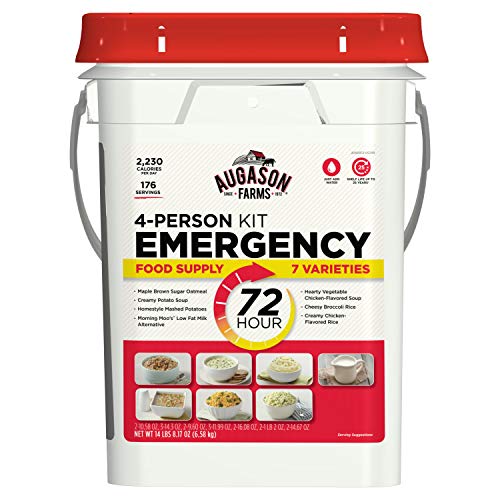
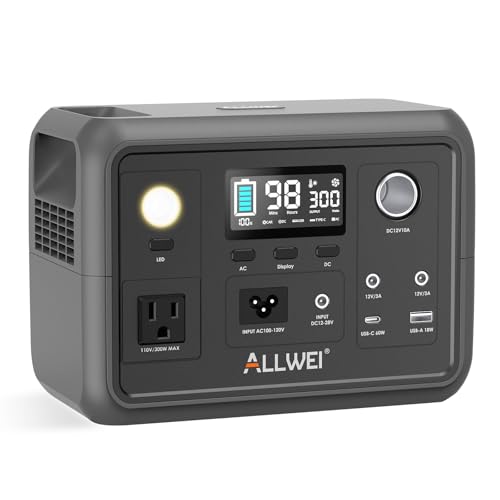
To effectively prepare for civil disruptions, begin by assessing risks through a thorough analysis of historical patterns and triggers specific to your area. Develop robust communication strategies to ensure information flows smoothly during crises. Create detailed contingency plans for a variety of potential scenarios, from protests to natural disasters. Assemble a well-stocked go bag filled with essential supplies for quick evacuations, including food, water, first aid, and personal protection items.
Regularly conduct scenario-based training exercises to keep yourself and your community informed and ready to act in times of unrest. This will clarify roles and responsibilities, ensuring everyone knows how to respond. Implement security measures to protect your property and maintain situational awareness to better anticipate threats. Additionally, review your insurance policies to ensure they adequately cover risks associated with civil unrest.
This proactive survivalist approach not only helps safeguard your resources but also strengthens community resilience in the face of challenges. For more insights on effective preparedness strategies, continue exploring the resources available.
Key Takeaways
- Conduct thorough risk assessments to identify local triggers and potential threats related to civil disruptions, focusing on how these may impact your survival strategy.
- Develop robust contingency plans with established evacuation routes and communication protocols to ensure effective crisis response and personal safety.
- Assemble a well-stocked go bag with essential survival supplies, including food, water, first aid, and tools, and regularly review and update your emergency preparedness plans.
- Implement comprehensive training programs and conduct scenario-based exercises for your family or group to practice response tactics and improve readiness for various situations.
- Stay informed through trusted media sources and maintain updated communication systems to receive real-time alerts during civil unrest and other emergencies.
Understanding Civil Disruptions
Understanding civil disruptions is crucial for anyone engaged in survivalism and prepping, particularly since these events can arise unexpectedly and impact daily life.
Civil unrest, such as protests and riots, can escalate rapidly from peaceful gatherings to violent confrontations, fueled by social, economic, and political stressors. Recognizing the historical context behind these disturbances is essential for developing effective preparedness strategies.
As a prepper, it’s vital to view civil unrest as a significant risk that can affect your safety, resources, and community stability. Ensure you have comprehensive emergency plans in place, stockpile essential supplies, and stay informed about your legal rights and options for self-defense during such events.
Risk Assessment and Preparation
To effectively prepare for civil disruptions, it’s crucial to identify potential threats and evaluate vulnerability factors specific to your environment.
Conducting a thorough risk assessment will empower you to develop robust contingency plans that cater to both immediate safety and long-term resilience in a survivalist context.
Identify Potential Threats
Identifying potential threats through a thorough risk assessment is crucial for effective preparation against civil disruptions in a survivalist context.
Start by leveraging resources like International SOS guides and Amnesty International reports to pinpoint scenarios of civil unrest in your vicinity.
Examine historical patterns and past incidents to identify triggers and escalation factors that could threaten your safety and preparedness.
Stay informed with real-time alerts from trusted sources so you can adapt to changing risks.
Establish communication channels with local authorities to enhance your situational awareness.
Lastly, regularly review and update your emergency response plans based on your findings, ensuring you’re well-equipped to handle various civil disruption scenarios that may arise in your journey of survivalism and prepping.
Evaluate Vulnerability Factors
How can you effectively evaluate vulnerability factors within your survivalist organization to safeguard against civil disruptions?
Start by conducting a thorough risk evaluation, identifying vulnerabilities in your location, community safety, and critical preparedness infrastructure.
Monitor local news and social media for real-time updates on civil unrest, assessing their potential impact on your survival operations.
Establish clear communication protocols to ensure timely information dissemination among members, stakeholders, and local authorities, prioritizing personal and community safety.
Regularly review and update your emergency response plans based on past disruptions, enhancing your preparedness and resilience.
This proactive approach will help mitigate risks and protect your organization during civil disturbances, ensuring you’re ready for any situation.
Develop Contingency Plans
Evaluating vulnerability factors lays the groundwork for developing effective contingency plans that address potential civil disruptions.
Begin by conducting a comprehensive risk assessment, leveraging resources from survivalism organizations and prepping communities to identify local triggers. Your plans should incorporate clear communication strategies for family members and fellow preppers, ensuring everyone is informed about safety protocols and designated rally points.
Assemble a go bag filled with essential supplies for quick evacuation should tensions escalate. Regularly review and update your contingency plans based on historical data, current events, and changing environments.
Additionally, participate in training drills that simulate civil unrest scenarios, fostering a culture of preparedness that enhances overall safety and security during emergencies.
Developing a Response Plan
While disruptions can arise unexpectedly, having a robust civil unrest response plan is crucial for survivalists and preppers to ensure preparedness and self-sufficiency in times of crisis.
Start by aligning this plan with your overall emergency preparedness and survival strategies. Designate a trusted team leader to oversee implementation and facilitate communication among group members and local survival networks.
Regularly test and rehearse the plan through drills, ensuring that everyone understands their roles and knows how to react during a disruption. Maintain an updated communication system to inform your group of real-time developments, including safe evacuation routes, shelter locations, and resource distribution points.
Finally, foster relationships with local law enforcement and emergency services to enhance coordination during civil disturbances, while also considering alternative self-defense and community support strategies.
Employee Training and Communication
To effectively prepare for civil disruptions, it’s essential to implement comprehensive training programs that include realistic drills and established communication channels.
Developing these systems ensures that you and your team can respond swiftly and effectively during crises.
Training Programs Implementation
Effective training programs are crucial for prepping and survivalism, equipping individuals with the skills needed to respond to civil disruptions. By implementing focused training, you can enhance preparedness and situational awareness.
Consider these key elements:
- Regular scenario-based exercises to simulate civil unrest situations and practice survival tactics.
- Role-playing techniques to clarify specific responsibilities during disruptions, ensuring everyone knows their role in an emergency.
- Incorporation of lessons learned from past incidents to refine strategies and improve responses.
Consistently evaluate and update training programs to align with current survival tactics and emergency preparedness guidelines, ensuring relevance.
This proactive approach fosters a culture of readiness, empowering your team to act decisively and effectively when faced with civil disturbances or emergencies.
Clear Communication Channels
Training programs are essential for building preparedness, but without clear communication channels, your group may falter in responding effectively during emergencies or civil disruptions.
Establish protocols that clearly define who’s responsible for disseminating information, ensuring everyone knows the primary contact points for updates during events such as protests or natural disasters.
Conduct regular training sessions that simulate various disruption scenarios, allowing members to practice using communication tools effectively.
Utilize multiple platforms—emails, text alerts, and dedicated communication apps—to ensure that critical messages reach all members swiftly.
Encourage the reporting of incidents and safety concerns through designated channels, fostering a culture of transparency and vigilance.
Regularly evaluate and update these strategies based on feedback and past experiences to enhance your group’s overall effectiveness in times of crisis.
Securing Facilities and Assets
When civil disruptions occur, securing facilities and assets is crucial for survival and preparedness. Implementing stringent access control measures, conducting thorough risk assessments, and maintaining robust operational security systems are essential.
Securing facilities and assets during civil disruptions is vital for survival; access control and risk assessments are key.
Consider the following:
- Limit entry points with barriers and stationed security personnel to deter unauthorized access.
- Identify vulnerable areas and critical assets that require enhanced protection to ensure their safety.
- Ensure that emergency plans clearly outline evacuation routes and communication protocols to facilitate quick and efficient responses in crisis situations.
Monitoring and Situational Awareness
Staying informed about your surroundings is crucial for navigating civil disruptions effectively in a survivalist context.
Leverage trusted media sources and follow embassy updates on social media to keep an eye on potential protests and riots in your vicinity. Sign up for International SOS alerts for real-time safety information, and establish communication with in-country contacts who can provide valuable insights.
Regularly check the Harvard GSS risk ratings to gauge changes in civil unrest levels that may impact your preparedness plans.
Insurance and Financial Considerations
Understanding insurance and financial considerations is crucial for protecting your assets in the event of civil disruptions.
- Ensure your insurance policy explicitly covers damages from civil unrest, including fire and vandalism, to safeguard your property.
- Evaluate the necessity of business interruption insurance to help mitigate financial losses if operations are halted due to civil disturbances.
- Regularly review and update your insurance policies to guarantee you have adequate coverage for any potential civil unrest scenarios.
Working with an insurance broker experienced in civil unrest risks can provide tailored insights for your preparedness strategy.
Keep in mind that not all protests escalate, which can influence claims and risk assessments.