To create a robust radio Go Kit for survival situations, begin by selecting a durable, weather-resistant case that will keep your equipment organized and protected from the elements. Essential components to include are a reliable primary transceiver, high-capacity lithium batteries for extended use, and versatile multi-band antennas to ensure you can communicate across different frequencies. Utilize customizable compartments within the case to keep everything easily accessible during emergencies.
Incorporate power management solutions such as solar panels to ensure your equipment remains operational without relying solely on conventional power sources. Regularly test and maintain all items in your kit to guarantee they are in working order when you need them most. Stay vigilant and prepared by conducting regular drills and updating your emergency communication plan as needed. Remember, there’s always more to optimize your kit for various scenarios, so continue to research and enhance your preparedness strategies.
Key Takeaways
- Choose a rugged, weather-resistant case for efficient storage of your essential survival equipment, making sure to prioritize weight distribution by placing heavier items at the bottom for stability during transport.
- Equip your kit with a reliable primary transceiver, high-capacity LiFePO4 batteries, and multi-band antennas to enhance your communication capabilities in emergency situations.
- Add an 80 Watt solar panel and Anderson Powerpole Connectors to ensure sustainable power management and facilitate quick and easy setup in the field.
- Regularly test and maintain all components, including batteries and connections, to guarantee peak functionality when it matters most during emergencies.
- Conduct regular drills to practice setting up your Go Kit swiftly and document your experiences to continuously improve your preparedness strategies for various survival scenarios.
Selecting the Right Enclosure
When assembling your radio go kit for survival scenarios, selecting the right enclosure is crucial for protecting your vital equipment.
Opt for a robust, weather-resistant case such as a Pelican or Apache to shield against environmental threats and ensure durability in challenging conditions.
Verify that the enclosure’s dimensions provide sufficient space for your gear, allowing for organized storage without putting undue stress on your components.
Consider lightweight options like the Apache 2800, which offer strength while enhancing portability for your bug-out situation.
Strategically plan the interior layout by placing heavier items, such as batteries, at the bottom to improve weight distribution during transport.
Incorporate customizable compartments or removable trays to promote effective organization and ensure that essential tools are readily accessible when you need them the most.
Essential Components for Your Go Kit
To ensure your radio go kit is fully equipped for emergency situations, it’s essential to incorporate several key components that will enhance your communication capabilities and operational readiness.
Make sure your Go Box includes:
- Primary Transceiver: Select versatile models like the Yaesu FT-857D or Icom IC-706MKIIG for reliable communication across different bands.
- High-Capacity Batteries: Utilize LiFePO4 battery packs for dependable power, and consider portable solar panels for sustainable recharging options.
- Multi-Band Antennas: Invest in roll-up J-pole or collapsible Yagi antennas to significantly improve your signal strength.
- Quality Coaxial Cables: Ensure you have RG-58 and RG-8X cables, along with antenna mounts, for proper and efficient setup.
These essential components will help guarantee that you’re always prepared to communicate effectively in any survival or emergency scenario.
Organizing Your Equipment
Organizing your survival gear is crucial for maximizing efficiency during emergencies. Begin by choosing a robust, weather-resistant backpack featuring multiple compartments for quick access to your items.
Focus on prioritizing critical supplies, ensuring that heavier gear is distributed evenly to minimize strain during transport. Utilize clearly labeled storage solutions, such as zippered bags, for individual items like antennas, accessories, and power cables, enabling rapid retrieval when time is of the essence.
Maintain a comprehensive checklist of your Go Kit’s contents to facilitate regular updates and ensure that nothing essential is missed.
Periodically reorganize your equipment to adapt to advancements in technology or shifts in your personal preferences, ensuring that your kit remains functional and primed for any survival scenario you may encounter.
Power Management Solutions
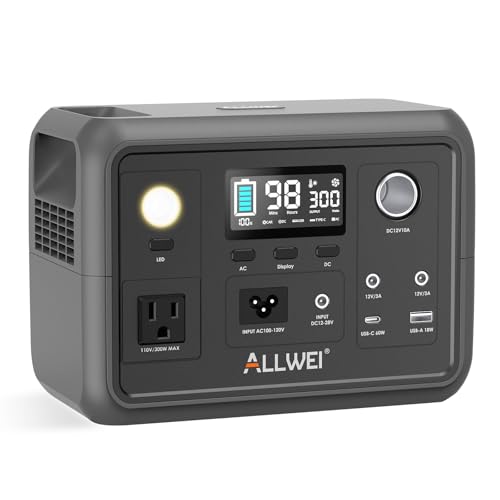
When preparing your Radio Go Kit for survival situations, selecting the appropriate power management solutions is critical. High-capacity rechargeable batteries, such as LiFePO4, provide dependable energy sources for essential devices.
Additionally, portable solar panels enable you to recharge your equipment in the field, ensuring you remain self-sufficient during emergencies or outdoor expeditions. By combining these options, you can secure a reliable power supply, which is essential for successful survival and prepping efforts.
Battery Selection Options
Choosing the right battery for your Go Kit is crucial for ensuring reliable power during emergencies and outdoor survival situations.
Here are some battery selection options to consider:
- High-Capacity Rechargeable Packs: Choose LiFePO4 batteries for their long cycle life and safety, making them ideal for preparedness.
- Amp-Hour Rating: Ensure your battery has at least a 12 Amp hour rating to support extended use during critical times.
- Portable Charging: Consider incorporating an 80 Watt Dokio solar panel for sustainable recharging options, allowing you to harness renewable energy while off the grid.
- Power Connections: Use Anderson Powerpole Connectors for simple and efficient assembly and disassembly, facilitating quick setup in emergencies.
Incorporating a power management system will further enhance your operational flexibility, ensuring you stay prepared for any situation that may arise.
Solar Charging Integration
Integrating solar charging into your radio Go Kit is a crucial step in enhancing your power management strategy and ensuring you have a dependable energy source while on the move during emergencies.
A solar charge controller, such as the ALLPowers 20amp, efficiently regulates energy flow to prevent overcharging and prolong battery life—vital in survival situations.
Pair this with high-capacity portable solar panels, like the Dokio 80 Watt panel, to generate sufficient power for recharging larger battery packs, ensuring you’re always ready for communication when it matters most.
Use Anderson PowerPoles for secure, standardized connections that facilitate quick setup in the field.
Regularly inspect your solar charging system—cleaning panels and checking connections—to maintain efficiency, ensuring you stay powered as a dedicated radio operator and well-prepared for any situation.
Assembling Your Go Kit
As you put together your Go Kit, begin by choosing a robust, weather-resistant case to safeguard your gear during transport and use.
Strategically organize your layout to enhance efficiency and ensure you’re prepared for any situation. Follow these steps:
- Position heavier items, such as the battery, at the back for optimal weight distribution, enhancing stability while on the move.
- Keep frequently accessed items within easy reach to facilitate quick deployment in emergencies.
- Incorporate a plexiglass panel to allow for airflow and visibility, ensuring a snug fit while maintaining an organized space.
- Connect your radio and power sources using durable connectors, like Anderson PowerPoles, and conduct thorough testing of all connections for reliability.
Regularly practice setting up your Go Kit to ensure you’re well-equipped for emergency communication scenarios and ready to respond when it matters most.
Testing and Maintenance
To ensure your Radio Go Kit is always prepared for any survival situation, it’s crucial to perform regular equipment checks and engage in emergency drills.
Testing your gear during these drills allows you to pinpoint any potential issues before they escalate into critical failures.
Never underestimate the importance of maintaining your kit to ensure that every piece of equipment is fully functional and ready for use when you need it most.
Regular Equipment Checks
Regular equipment checks are crucial for ensuring your radio gear is primed and ready for emergencies.
To maintain your survival communication system, follow these essential steps:
- Conduct thorough checks on transceivers, antennas, and power sources to confirm they’re functioning properly, ensuring you can stay connected when it matters most.
- Test battery capacity and charging systems, including solar panels, every few months to guarantee you have reliable power available.
- Inspect coaxial cables and antenna connections for any signs of wear or damage; this will help maintain optimal transmission quality and clarity in critical situations.
- Update and program emergency frequencies and local repeaters into your radio’s memory for quick and easy access during a crisis.
Staying prepared means ensuring your equipment is always in top condition.
Emergency Drill Practice
Maintaining your radio gear is just the beginning; practicing emergency drills is crucial for ensuring you’re ready to act when it matters most.
Conduct regular drills to simulate various survival scenarios, allowing you to quickly set up your Radio Go Kit. Schedule maintenance checks every few months to inspect batteries and connections, ensuring your Ham Radio is in peak working condition.
Utilize checklists to confirm that all components, including First Aid supplies, are present and operational. Test software and logging applications to ensure they’re updated and compatible with your setup.
Document your drill experiences to refine your preparedness strategies, enhancing your efficiency for future emergencies. Stay vigilant and confident in your response!