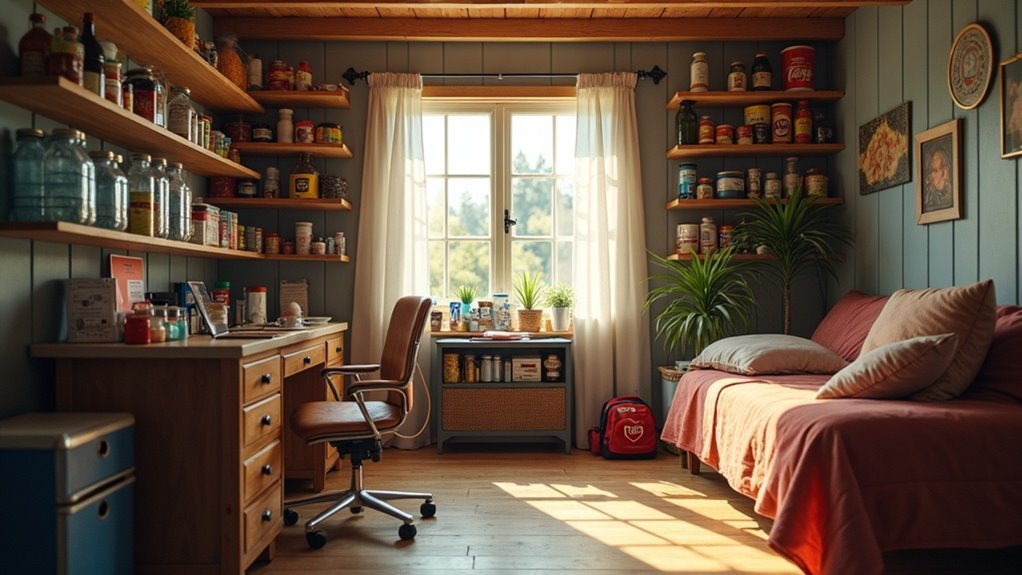
To build a shelter-in-place room, first select a secure, windowless location close to your living areas that can be fortified easily. Assess potential threats, including natural disasters and intruders, to enhance security features like walls and doors. Opt for high-quality, durable materials for entry points, ensuring that you install robust locks and strike plates to deter forced entry. Stock essential survival supplies, such as non-perishable food, clean water, and comprehensive first aid kits. Regularly check and maintain these provisions to ensure their effectiveness and practice emergency drills with all household members to ensure everyone knows what to do in a crisis. For more in-depth guidance on creating your secure space, explore further resources dedicated to survivalism and prepping.
Key Takeaways
- Choose a secure, windowless location in your home, such as a basement or interior closet, for your shelter-in-place room, ensuring it’s easily accessible during emergencies.
- Fortify walls and doors with reinforced materials and high-security locks to safeguard against potential threats and intrusions.
- Stockpile essential survival supplies, including a minimum three-day supply of non-perishable food, clean drinking water, first aid kits, and hygiene products in your shelter.
- Establish clear communication plans and designate specific roles for all household members during emergencies to facilitate an efficient and coordinated response.
- Conduct regular drills and inspections to rehearse emergency protocols and ensure the integrity of your shelter and supplies are maintained.
Selecting the Ideal Location for Your Shelter-in-Place Room
When selecting the ideal location for your shelter-in-place room, it’s essential to prioritize both safety and accessibility for effective survival preparedness.
Choose a room without windows, such as a basement or an interior closet, to provide maximum protection against external threats. Position this space near frequently used living areas for quick access during emergencies, ensuring that you and your loved ones can reach it swiftly when needed.
Consider camouflaging the room to make it less visible to potential intruders, further enhancing your security. Additionally, evaluate the location’s structural integrity and its exposure to environmental hazards, such as high winds or flying debris.
Lastly, ensure that the room is spacious enough to accommodate all household members, including pets, to facilitate a comprehensive emergency preparedness plan.
Assessing Potential Threats and Safety Needs
To effectively construct your shelter-in-place room, begin by assessing the specific threats that your region may encounter, such as extreme weather events or the possibility of home invasions.
Consider your unique survival needs, including the number of occupants and any special health requirements.
Finally, prioritize security features that address the most pertinent risks, ensuring your safe room is well-equipped to handle both intrusions and natural disasters.
This proactive approach will enhance your preparedness and resilience in the face of potential emergencies.
Identifying Threats to Protect
Identifying the specific threats your location faces is crucial for effectively constructing a reliable shelter-in-place room. Begin by assessing natural disasters such as hurricanes, earthquakes, or wildfires, as well as man-made threats like intruders, civil unrest, or potential societal collapse.
Prioritize these threats based on their likelihood to ensure your safe rooms are equipped for the most probable scenarios. Utilize UL 752 ballistic levels to determine the necessary protection against firearms and forced entry, ensuring your security measures are robust enough to withstand potential dangers.
Take into account the items and individuals you wish to protect, as this will significantly influence the design, materials, and overall preparedness of your safe room.
Regularly review and update your threat evaluation to adapt to changing circumstances and enhance your survival readiness.
Evaluating Personal Safety Needs
How can you effectively evaluate your personal safety needs to ensure your shelter-in-place room is thoroughly prepared for survival situations?
Start by assessing potential threats, such as intruders or natural disasters, to customize your safe room’s design for maximum resilience.
Consider the likelihood of various criminal methods, referencing UL 752 ballistic levels for security guidance.
Prioritize your safety needs by focusing on safeguarding both individuals and essential supplies, ensuring your safe room’s features align with these critical requirements.
Conduct a comprehensive risk evaluation of your home’s environment and consult with security professionals to gain insights into local threats.
This proactive approach will help you create a safe room that genuinely meets your survival expectations and enhances your preparedness for any emergency.
Prioritizing Security Features Required
Evaluating your personal safety needs is essential for identifying the specific security features required in your shelter-in-place room, especially in the context of survivalism and prepping.
Start by reviewing potential threats such as home invasions or natural disasters, as these will inform your preparedness strategy.
Utilize UL 752 ballistic levels to determine the necessary protection for your panic room’s walls and windows, ensuring they can withstand various threats.
Prioritize reinforced doors equipped with high-security locks and secure door jambs that can resist forced entry.
Additionally, consider installing reliable communication systems to maintain connectivity during emergencies, allowing you to stay informed and connected with others.
Focus your resources on the most critical features to ensure your shelter effectively addresses the threats you’re likely to face, reinforcing your survival readiness.
Reinforcing Walls and Choosing Security Features
To enhance the security of your shelter-in-place room, it’s crucial to reinforce the walls and select appropriate security features.
Reinforcing walls can be achieved with materials such as steel, concrete, or ballistic panels, all of which can withstand forced entry and ballistic threats. If you’re retrofitting an existing space, consider the installation of ballistic panels to bolster security without requiring extensive structural modifications.
Reinforce walls with steel, concrete, or ballistic panels to enhance security against forced entry and ballistic threats.
Opt for fixed ballistic windows that permit natural light while still providing defense against projectiles. Furthermore, it’s vital to install sturdy entry doors equipped with high-security locks that feature multiple locking points.
Ensure that the door jamb is thick and securely anchored to resist impacts from intruders or other external dangers, reinforcing your overall preparedness and safety.
Securing Your Entry Door and Access Points
When fortifying your entry door, selecting the right materials is crucial; durable options such as solid wood or metal provide exceptional resistance against forced entry.
Additionally, it’s important to assess your locking mechanisms, choosing high-security locks with multiple points to further strengthen your defenses.
Together, these components significantly enhance the security of your shelter-in-place room, ensuring you’re well-prepared for any emergency situation.
Door Material Selection
Choosing the right materials for your entry door is crucial for maintaining the security of your shelter-in-place room. For your existing home, opt for entry doors made of solid core wood, steel, or fiberglass, as these materials provide superior strength against forced entry.
A door leaf thickness of at least 1.75 inches is recommended to ensure maximum durability. Additionally, invest in high-security locks with multiple locking points and install a reinforced door jamb to enhance resistance against potential attacks.
If you’re particularly concerned about firearms, select doors that meet or exceed UL 752 ballistic resistance levels. All these factors work together to fortify your shelter-in-place room, ensuring you’re better prepared for any situation.
Locking Mechanisms Analysis
While selecting high-security locks is essential for bolstering the security of your entry points in a survival or prepping scenario, it’s equally important to understand the various locking mechanisms available.
Focus on deadbolts made from hardened steel, as they resist tampering better than standard spring bolts, making them ideal for protecting your resources. Additionally, look for locks with multiple locking points—these enhance resistance against forced entry, a crucial factor in a survival situation.
Reinforced strike plates are vital in common locations, ensuring the lock remains secure during an attempted breach, which could be critical in a crisis.
Finally, verify your door leaf is at least 1.75 inches thick, as this thickness significantly improves its ability to withstand potential abuse or attacks, providing you with peace of mind in uncertain times.
Essential Supplies and Emergency Kits for Your Shelter
A well-stocked emergency kit is crucial for your shelter, ensuring you and your loved ones can endure an extended crisis. Assembling this kit is straightforward if you prioritize essential supplies. Include at least a three-day supply of non-perishable food and water, vital first aid items, and a reliable communication device.
Be sure to incorporate personal hygiene products to maintain sanitation and health. Here’s a quick list of must-have items for your survival kit:
- Battery-powered or hand-crank radio for emergency broadcasts
- Antiseptics, bandages, and other first-aid essentials
- Sanitation wipes and toilet paper for hygiene
Additionally, consider including tools for self-defense and fire-starting equipment.
Remember to check and rotate your supplies every six months to ensure everything is fresh and ready for use. Being prepared is key to survival.
Regular Maintenance and Preparedness Practices
Maintaining your shelter-in-place room is crucial in the realm of survivalism and prepping. Regularly check and replace emergency supplies, ensuring food, water, and first aid kits are fresh and suitable for each person.
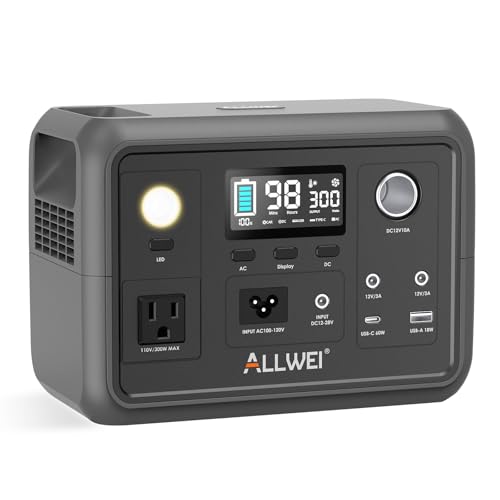
Conduct monthly inspections of the room’s structural integrity; reinforce walls, doors, and windows to protect against potential threats. Keep communication systems operational by testing emergency radios and verifying that backup power sources are functional.
Collaborate with all household members to create and rehearse emergency plans, clearly defining roles and responsibilities. Additionally, regularly update your survival kit checklist to reflect changing family needs, ensuring that essentials for survival, comfort, and communication are always prepared and readily available.