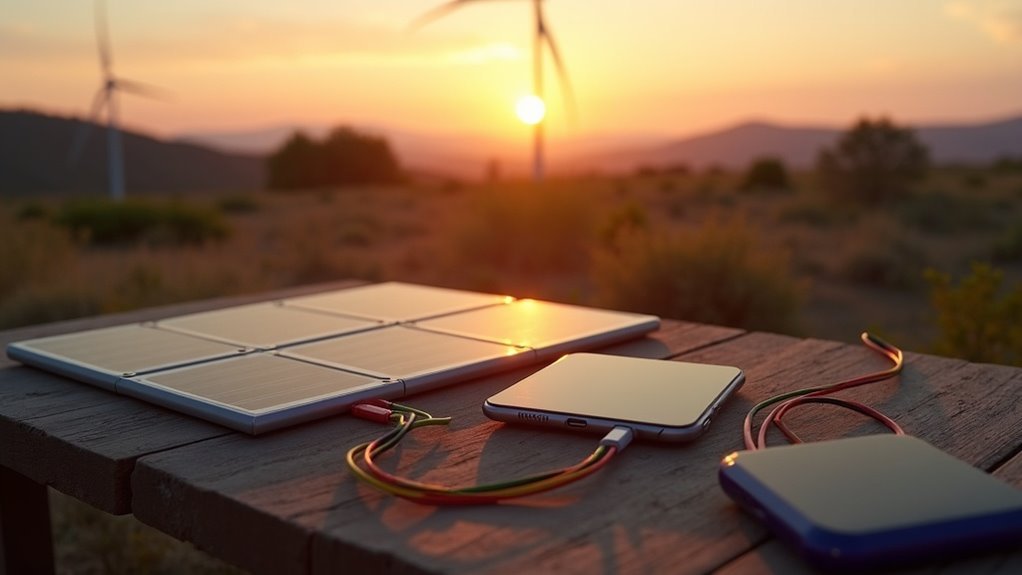
You can charge your phone without grid power by utilizing various survivalist methods at your disposal. First, invest in a portable solar charger or solar power station for a sustainable energy source that aligns with your prepping strategy. If you find yourself in a vehicle, using a car battery with a USB charger can be an effective solution, especially if the engine is running to maintain power. Hand-crank chargers are also invaluable, allowing you to generate power manually when other options are unavailable. Additionally, it’s crucial to conserve your existing battery life by disabling unnecessary features and managing background app activity. Explore more effective techniques to enhance your emergency preparedness and ensure you remain connected in challenging situations.
Key Takeaways
- Use portable solar chargers to harness energy from the sun, allowing you to charge devices multiple times without relying on grid power.
- Invest in solar power stations that convert sunlight into electricity, ideal for charging phones and other essential devices during emergencies.
- Utilize a USB car charger connected to your vehicle while the engine is running, ensuring you have a reliable power source when in transit.
- Employ hand-crank chargers or DIY emergency chargers created from batteries and common household items to provide manual charging options in survival situations.
- Maximize your device’s battery life by disabling unnecessary features, limiting background app activity, and using power-saving modes to conserve energy for critical communications.
Use Power Sources Already Around You
In emergency situations, it’s crucial to leverage the power sources already available in your environment to keep your phone charged.
Utilize charged devices such as laptops or tablets as makeshift phone chargers via USB connections. If you’re on the road, a car charger can be a lifesaver—just ensure your engine is running to prevent draining your vehicle’s battery.
Leverage laptops, tablets, or car chargers to keep your phone powered during emergencies—just remember to keep the engine running!
Hand-crank chargers are invaluable for generating electricity manually when conventional methods aren’t an option. Multi-purpose camp stoves can serve a dual purpose by charging your phone while you prepare food, making them an excellent addition to your survival gear.
Lastly, consider creative solutions using household items, like batteries and paperclips, to create emergency chargers that don’t rely on grid electricity.
Always be prepared and resourceful; these skills can make a difference in critical situations.
Use a Portable Charger
A reliable portable charger can be a game-changer for survivalists and preppers when you’re off the grid. These power banks store essential electrical energy, allowing you to charge your devices multiple times, which is crucial in emergency situations. Look for higher mAh ratings for extended use and fast-charging capabilities for quicker top-ups, ensuring you can maintain communication and access critical information. Always pre-charge your portable charger fully to guarantee you have enough power when you need it most. Many models include built-in safety features like overcharge protection, adding an extra layer of reliability. Here’s a quick comparison of options that may suit your preparedness needs:
| Model | Battery Capacity | USB Ports |
|---|---|---|
| Jackery Explorer | 24000 mAh | 3 |
| Anker PowerCore | 20000 mAh | 2 |
| RAVPower Portable | 26800 mAh | 3 |
| Aukey Power Bank | 20000 mAh | 2 |
| Mophie Powerstation | 6000 mAh | 1 |
Choose wisely and ensure your devices remain powered, enhancing your preparedness for any situation!
Consider a Solar Power Station
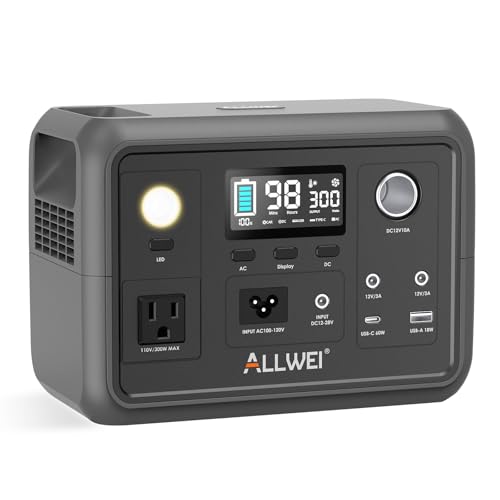
Portable chargers are useful for quick power boosts, but when it comes to sustainable energy solutions for survival situations, a solar power station is a wise investment.
These compact solar power stations, such as the EcoFlow RIVER 2 Series, harness solar energy to charge devices without depending on the grid. They efficiently convert sunlight into usable electricity, especially when positioned optimally with solar panels.
Beyond just charging phones, they can power laptops and essential appliances, making them invaluable during outdoor excursions, emergencies, or power outages.
With multiple output ports, you can charge several devices simultaneously, decreasing your reliance on fossil fuels and enhancing your preparedness for any situation.
Use Your Car Battery
You can effectively charge your phone using your car battery, which is a vital skill for survival situations. By connecting a USB car charger to your vehicle’s power outlet, you can ensure your essential devices remain operational.
To preserve the health of your car battery, it’s important to start the engine while charging; this enables the alternator to replenish the battery’s charge, ensuring you have power when you need it most.
However, be cautious about overcharging when the engine is off, as this could leave you stranded with a dead battery in a critical moment. Always be prepared and maintain your vehicle’s battery health as part of your emergency preparedness plan.
Charging Method Overview
Using your car battery to charge your phone is an essential skill for survival situations when grid power isn’t available. Here’s how to do it effectively while maintaining your vehicle’s battery health:
- Connect a USB Charger: Use a dedicated car charger plugged into the 12V power outlet while the engine is running. This prevents battery drain and ensures you have enough power to start your vehicle when needed.
- Monitor Battery Life: Regularly check your car’s battery level to prevent depletion, especially if the engine is turned off. Being aware of your battery’s state can be crucial in an emergency.
- Consider Alternatives: For extended periods away from grid power, invest in portable power banks. These are a more sustainable option than relying solely on your car’s battery for prolonged charging.
Safety Considerations
While charging your phone using your car battery can be a practical solution during emergencies, it’s essential to prioritize safety to ensure your vehicle remains operational.
Always run your car while charging to prevent excessive battery depletion that could leave you stranded. Utilize a USB car charger that’s compatible with your phone, connecting it securely to the car’s power outlet.
Regularly monitor your battery voltage; if it drops below 12 volts, cease charging immediately to ensure your vehicle can start when needed. Activate battery saver mode on your phone to minimize power consumption and extend your vehicle’s battery life.
Additionally, keep jumper cables in your emergency kit to recharge your car battery if necessary, ensuring you remain prepared for any situation.
Try a Hand-Crank Charger
A hand-crank charger is an invaluable tool for survivalists and preppers seeking to maintain power for their phones in situations where grid electricity is unavailable. It converts mechanical energy into electrical energy, allowing you to charge your phone without the need for traditional batteries.
Here’s what you should know about this essential device:
- Emergency Power Source: By cranking for just 3-4 hours, you can achieve a full phone charge, making it an essential backup during unforeseen emergencies.
- Compact and Portable: Its lightweight design makes it easy to carry along on camping trips, hiking adventures, or while bugging out, ensuring you’re never left without power.
- Integrated Battery Storage: This feature stores energy for use later, giving you the ability to keep your phone charged even when you’re no longer cranking.
With these advantages, a hand-crank charger is a vital addition to any prepper’s toolkit, ensuring reliable communication and access to critical information when it matters most.
Conserve the Phone Battery You Already Have
To conserve the phone battery you already have, especially in a survival situation, begin by optimizing your screen brightness settings to the lowest comfortable level.
Disable any unused features such as Bluetooth and Wi-Fi to prevent unnecessary power consumption.
Additionally, limiting background app activity is crucial, as it helps to reduce battery drain when you’re in the field.
Optimize Screen Brightness Settings
How can you make your phone battery last longer during survival situations? Optimizing your screen brightness settings is essential for conserving energy.
Here are three strategies to minimize battery drain:
- Adjust Brightness: Lower your screen brightness to the lowest level that remains comfortable, significantly extending battery life when you’re in the field.
- Enable Adaptive Brightness: Allow your phone to automatically adjust brightness according to the surrounding light conditions, ensuring optimal usage throughout varying environments.
- Use Dark Mode: If your device has an OLED screen, activating dark mode can help reduce power consumption, potentially extending your device’s use time by up to 20%, which is crucial when resources are limited.
Disable Unused Features
While you’re in a survival situation, conserving battery life is crucial, and disabling unused features on your phone is a straightforward way to achieve this.
Start by turning off Bluetooth and Wi-Fi when not in use to prevent unnecessary background searches that can drain your battery. Disable location services for apps that don’t require GPS, as this feature significantly consumes power.
You can also activate low-power mode to reduce performance and limit background activity, which is essential when resources are scarce. Closing nonessential apps will free up system resources, further extending your battery life.
Limit Background App Activity
Limiting background app activity is crucial for conserving battery life, especially during outdoor survival situations where every bit of power counts.
By managing your apps wisely, you can ensure your phone remains functional when you need it most. Here are three practical steps:
- Close nonessential apps: Regularly check your battery settings to close apps that are unnecessarily draining your phone’s battery, allowing you to reserve power for critical survival tools.
- Disable automatic updates: Turn off background refresh settings to prevent apps from consuming power without your intervention, ensuring your device remains ready when you need it.
- Limit notifications: Reducing notifications minimizes wake-up events, helping you save battery life for emergencies and essential communications.
Staying prepared means keeping your devices operational—manage your battery wisely!