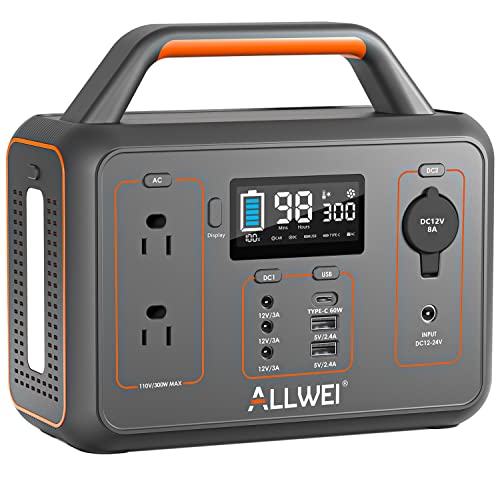
To create a power backup plan for survival situations, begin by thoroughly assessing your energy needs—calculate the total wattage for essential appliances, ensuring to include a 20% safety buffer. Investigate various backup solutions, such as portable solar batteries, gas or propane generators, and reliable standby systems that can sustain your household during extended outages. Implement your plan by clearly defining specific power requirements and scheduling regular maintenance checks to ensure all equipment is functional. Prepare for emergencies by maintaining a comprehensive checklist of all survival equipment and establishing clear communication protocols with your household members. For those looking to enhance their preparedness, there are numerous strategies and resources available to further optimize your setup.
Key Takeaways
- Calculate your total wattage needs for essential appliances, including both running and surge power, and add a 20% safety buffer to ensure resilience in emergencies.
- Investigate various backup power solutions, such as portable batteries, generators, and standby systems, tailored to your survival needs and power requirements.
- Keep a detailed inventory of critical devices and establish a routine maintenance schedule for your backup systems to guarantee they remain functional during crises.
- Create a clear communication plan with household members regarding power outages and emergency protocols for utilizing backup equipment effectively.
- Arrange for professional installations and regular inspections to ensure the seamless integration and reliability of your backup power systems, enhancing your preparedness for unforeseen situations.
Assessing Your Energy Needs
Assessing your energy needs is a crucial first step in developing a robust power backup plan for survival situations.
Begin by calculating the total wattage of your essential appliances to determine the minimum emergency power required. Keep in mind both running and surge wattage, as certain devices can demand significantly more power at startup.
Calculate the total wattage of essential appliances, considering both running and surge wattage for accurate emergency power needs.
Estimate the duration you’ll need backup power for each appliance, incorporating a 20% buffer for safety and reliability.
Regularly update your energy assessment to account for any changes in usage or new equipment.
Utilize online calculators specifically designed for prepping and survivalism to customize your backup systems according to your unique energy requirements, ensuring you have dependable power during outages and emergencies.
Exploring Backup Power Solutions
How can you ensure a reliable power supply during emergencies? Exploring backup power solutions is crucial for effective survival preparedness.
You can opt for portable battery options, which are ideal for charging small devices, or invest in larger home battery backup systems that connect directly to your breaker panel for substantial power needs.
If you plan to run larger appliances, consider portable generators that produce between 1,000 and 9,000 watts, or standby generators that automatically activate during outages, ensuring your home remains operational.
While battery systems may entail higher initial costs, they provide flexible power management and can be charged using solar energy, significantly enhancing your overall energy strategy and resilience in uncertain times.
Implementing Your Backup Plan
To effectively implement your backup power plan for survival situations, you must first define the specific power requirements necessary for your operations and essential needs.
This clarity will help you choose the right equipment, such as generators, solar panels, or battery banks, and establish a regular maintenance schedule.
Define Power Requirements
When devising your power backup strategy for survival situations, it’s crucial to precisely define your power requirements to ensure that your essential devices remain functional during outages.
Begin by assessing the total wattage needed for each device, taking into account both running and surge power. For instance, if you have a 300W laptop that requires 6 hours of operation, you’ll need a battery capacity of 1800Wh.
Always incorporate a safety margin of at least 20% beyond your calculated needs to account for unforeseen circumstances.
Maintain a thorough inventory of your critical devices to simplify future assessments and guarantee that your backup system can effectively provide emergency power when the grid fails.
Establish Maintenance Schedule
After defining your power requirements, the next step is establishing a maintenance schedule to ensure your backup systems remain reliable and ready for use in any survival situation.
Regular maintenance is crucial for ensuring your backup power systems function efficiently when emergencies strike. Consider the following actions:
- Inspect all backup equipment, including generators and battery systems, every six months to ensure they’re in optimal condition for unexpected events.
- Conduct an annual load test on generators to confirm their performance under load, simulating real-life scenarios you might face.
- Maintain a detailed log for repairs and service dates to keep track of your equipment’s history and reliability.
- Regularly check and replace batteries in portable power stations to prevent failures, ensuring you have power when you need it the most.
Maintaining Your Backup Systems
To ensure your backup systems are always prepared for emergencies, it’s essential to schedule regular maintenance checks and closely monitor their performance.
Inspecting generators and testing systems under load will help identify potential issues before they escalate into critical failures.
Keeping a detailed log of these activities not only aids in tracking performance but also serves as a guide for necessary upgrades or replacements.
This proactive approach is vital for any survivalist or prepper looking to maintain reliable backup systems for unforeseen circumstances.
Regular Maintenance Checks
Regular maintenance checks are crucial for ensuring your backup systems are primed for action when survival is on the line.
To keep your preparedness plan robust, focus on these essential practices:
- Schedule oil changes and filter replacements for your generator every 100 hours of use or at least once a year to ensure it operates efficiently when you need it the most.
- Test your battery backup systems monthly to confirm they’re fully charged and ready to support your emergency power needs.
- Inspect wiring and connections for any signs of wear or corrosion to prevent breakdowns during critical moments.
- Maintain detailed records of all maintenance activities to track the performance of your equipment and anticipate future needs as part of your overall survival strategy.
System Performance Monitoring
While maintaining your backup systems is crucial for survival preparedness, it’s essential to implement a robust system performance monitoring strategy to ensure reliability during emergencies.
Regularly check battery charge levels and health indicators to prevent deep discharging, as this can significantly shorten battery lifespan—something every prepper should be aware of.
Utilize advanced monitoring systems or apps for real-time insights into energy usage and battery performance, which can greatly enhance your power management strategies.
Schedule routine maintenance activities for generators, such as annual oil changes and fuel system inspections, to ensure they’re fully operational when you need them the most.
Keep a detailed log of performance issues and maintenance activities to identify trends, enabling you to proactively address potential failures before they disrupt your emergency power supply.
Being prepared means staying ahead of potential issues and ensuring your systems are ready for whatever challenges may arise.
Preparing for Emergencies
Preparing for emergencies requires a thorough understanding of your household’s power needs and the necessary equipment to maintain them during outages.
To ensure your family’s safety and self-sufficiency when the power goes out, evaluate your critical power needs and prepare accordingly:
- Calculate total wattage for essential survival appliances.
- Create a comprehensive checklist of backup power equipment, including portable generators, solar panels, and rechargeable batteries.
- Schedule regular maintenance checks for all your systems and gear to ensure they function properly when needed.
- Develop a clear communication and action plan for all household members to enhance preparedness and coordination during emergencies.
Being proactive in your power preparedness will enhance your resilience and ability to thrive during unexpected situations.
Seeking Professional Assistance
When it comes to establishing a reliable power backup plan for survival situations, enlisting professional assistance isn’t just a good idea—it’s essential.
Hiring an experienced electrician ensures that your backup power systems are safely connected, particularly when dealing with high voltage wiring. Professionals can evaluate your energy needs and help select compatible components to ensure peak performance during emergencies.
They facilitate the proper installation of transfer switches, allowing for a seamless integration of battery backup with your home’s electrical system. Furthermore, regular maintenance by experts can extend the lifespan and reliability of your backup solutions, guaranteeing they function effectively when you need them most.
In the realm of survivalism and prepping, don’t underestimate the value of professional expertise in safeguarding your home’s power needs.