To effectively isolate an illness in your household while preparing for any emergency, designate a dedicated sick room stocked with essential supplies like tissues, medications, and non-perishable food items. Emphasize strict hygiene practices by ensuring everyone practices thorough handwashing and regularly disinfecting high-touch surfaces with robust cleaning agents. Limit contact with others by keeping the sick individual separated from healthy family members, and consider using masks to further minimize transmission risk. Monitor symptoms closely and maintain a health log for any changes, which can be crucial for assessing the situation. Implementing these protocols will safeguard your household while promoting recovery and resilience. Want to know more ways to enhance your isolation strategy and overall preparedness?
Key Takeaways
- Designate a specific sick room within your survival setup for the ill individual, equipped with essential supplies like first aid kits, medications, and ideally a separate bathroom if possible.
- Limit access to the sick room to caregivers only, maintaining a six-foot distance to reduce transmission risk and protect the overall preparedness of your household.
- Implement strict hygiene practices, including effective handwashing with soap or hand sanitizer and regular disinfection of frequently touched surfaces, to maintain a healthy environment.
- Keep personal items, dishes, and laundry of the sick person separate from those of healthy household members to prevent cross-contamination and ensure your supplies remain safe.
- Monitor the sick individual’s symptoms closely, documenting any changes and ensuring timely care as needed to maintain the resilience of your household.
Designating a Sick Room
When a member of your household becomes ill, establishing a designated sick room is crucial for minimizing the risk of infection spread, especially in a survivalist or prepping context.
This room should provide the sick individual with isolation from the rest of the household, reducing contact with healthy individuals who may need to conserve their strength for survival situations.
Ensure that the sick room is well-stocked with essential supplies such as tissues, a trash can, clean water, and necessary medications to limit the need for others to enter the space.
If feasible, designate a separate bathroom to further mitigate the transmission of germs, which is vital in a preparedness scenario where resources may be limited.
Access to the sick room should be restricted to caregivers only, who should maintain a safe distance of at least six feet to protect their health.
Regular disinfection of all surfaces within the sick room is critical, as it helps maintain a safer environment for everyone and ensures that the household remains resilient during times of illness.
Maintaining Hygiene Practices
To effectively maintain hygiene practices during an illness in your household, especially in a survivalist context, it’s crucial to focus on proper handwashing techniques, surface disinfection methods, and the separation of personal items.
Regularly wash your hands with soap for at least 20 seconds, and disinfect frequently touched surfaces to minimize germ spread.
In a prepping scenario, consider using disposable items for the sick individual to greatly reduce the risk of contamination.
Additionally, stock up on essential hygiene supplies and ensure you have a plan for maintaining cleanliness even in challenging situations.
Handwashing Techniques
Though many people underestimate its importance, effective handwashing is a critical practice for maintaining hygiene and preventing the spread of illness, especially in survival situations.
To wash your hands thoroughly, use soap and clean water for at least 20 seconds, ensuring you lather all surfaces, including between your fingers and under your nails. If soap isn’t available, a hand sanitizer with at least 60% alcohol can be a practical alternative.
Always wash your hands after using the restroom, before eating, or after interacting with anyone who’s sick. It’s important to dry your hands completely, as dampness can attract germs.
Surface Disinfection Methods
Effective surface disinfection is crucial for survivalists and preppers, especially during times of illness outbreaks. Regularly clean surfaces that are frequently touched, such as doorknobs and light switches, using household disinfectants that you have stockpiled.
To ensure effective disinfection, allow the cleaning products to sit for the recommended time before wiping them away. For high-risk areas, consider using a diluted bleach solution, which is an effective and readily available option.
Always use disposable cleaning cloths to prevent cross-contamination and be sure to discard them immediately after use. During an illness outbreak, it’s vital to disinfect high-touch areas, such as faucets and remote controls, multiple times a day to maintain a healthy and prepared environment for you and your loved ones.
Personal Item Separation
When someone in your household is sick, maintaining strict personal item separation is essential to prevent the spread of illness, especially in a survivalist setting.
Ensure that the sick person‘s towels, dishes, and utensils are kept separate from those used by healthy family members to avoid contamination. Designate specific personal items, such as toothbrushes, clothing, and bedding for the sick individual, and avoid any sharing to maintain hygiene standards.
Additionally, limit contact with shared electronic devices, such as phones and tablets, to minimize the risk of transmission.
In a prepping scenario, it’s important to wash the sick person’s laundry separately in hot water with a longer cycle to effectively kill germs.
Utilize disposable bags for trash to manage waste efficiently, and sanitize items before they’re allowed back into common living spaces. This proactive approach helps ensure the health and safety of your group during challenging times.
Managing Household Supplies
When managing household supplies during an illness, especially from a survivalist perspective, it’s crucial to create a comprehensive essential supplies checklist tailored to the sick individual’s needs.
Stock up strategically on long-lasting items like tissues, bottled water, and disposable utensils to minimize interactions and limit the spread of germs.
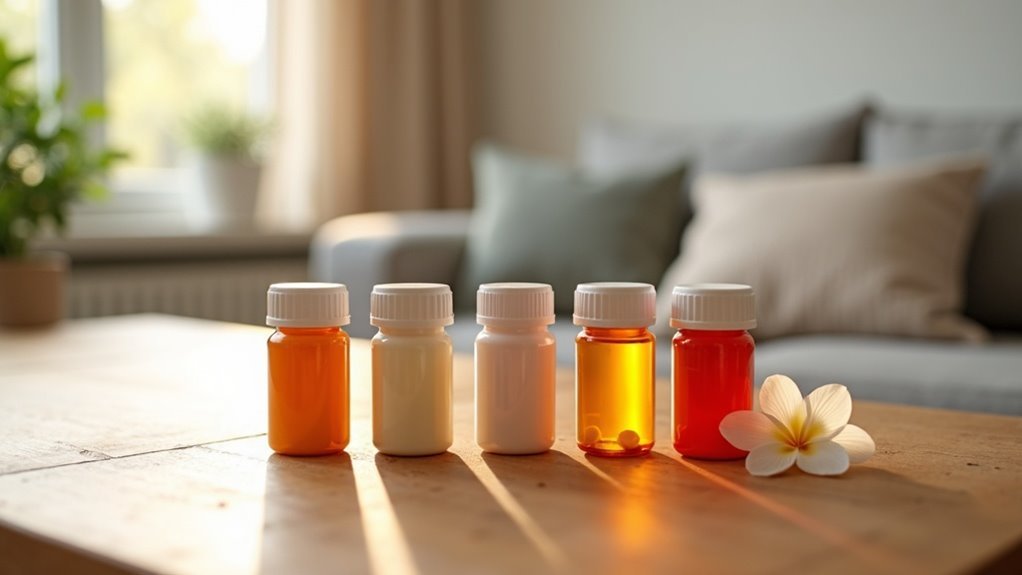
Consider adding items such as herbal remedies, vitamins, and emergency food supplies to bolster the sick person’s recovery and ensure they’ve the necessary resources.
This proactive approach not only supports the sick individual but also strengthens the resilience of the entire household, safeguarding the health of other family members in challenging times.
Essential Supplies Checklist
An effective essential supplies checklist is crucial for survivalism and prepping, especially during times of illness. Start by stocking essential items like tissues, hand sanitizer with at least 60% alcohol, disposable masks, and gloves to minimize germ spread and maintain hygiene in challenging situations.
Equip your designated sick area with a dedicated trash can lined with disposable bags for the safe disposal of contaminated items. Keep over-the-counter medications and hydration options, such as bottled water or electrolyte drinks, readily available to support recovery and maintain health.
Set up a designated area for food delivery or storage to avoid direct contact and ensure access to nutrition. Finally, maintain an adequate supply of cleaning products and disinfectants to sanitize frequently touched surfaces and the living area of the sick individual, ensuring a safe environment for all.
Stocking Up Strategically
Managing household supplies effectively during an illness requires a strategic survivalist approach that goes beyond simple stocking.
To ensure your homestead remains safe and that the sick individual receives the care they need, prioritize these essential supplies:
- Stockpile tissues, hand sanitizer (with at least 60% alcohol), disinfectant wipes, and gloves to maintain hygiene and prevent the spread of pathogens.
- Keep a well-organized inventory of over-the-counter medications such as fever reducers and cough suppressants readily available.
- Gather a reserve of non-perishable foods and bottled water to minimize shopping trips and ensure sustenance during prolonged illness.
- Designate specific cleaning supplies, including bleach, for the sick person’s area to prevent cross-contamination and help maintain the health of your entire household.
Limiting Contact With Others
To effectively limit contact with others during an illness while preparing for potential emergencies, sick individuals should isolate themselves in a designated area of the home, ideally using a separate bathroom if available.
It’s crucial for healthy household members to maintain a safe distance of at least six feet from the sick person to minimize the risk of transmission, reinforcing the importance of maintaining a healthy environment.
Encourage the sick individual to wear a well-fitting mask when interaction is unavoidable, as this helps contain respiratory droplets that could spread illness.
Additionally, sick individuals should avoid cooking or preparing meals for others, as this can inadvertently transfer germs through food and utensils.
To further safeguard the household, limit visitors to the sick person’s area to only essential caregivers, minimizing unnecessary exposure and maintaining a focus on health and safety.
In a survivalist mindset, having a plan for illness within the home can help ensure that everyone remains safe and prepared during challenging times.
Monitoring Symptoms and Health
While isolating a sick individual in a survival situation, it’s crucial to monitor their symptoms and overall health closely to ensure their well-being and maintain the safety of the group.
Here are some essential health tips to follow:
- Track critical symptoms such as difficulty breathing, chest pain, or confusion; these can indicate serious conditions that may require immediate intervention.
- Keep a detailed record of fever patterns, noting any spikes or drops to assess the severity of their illness.
- Document changes in symptoms, including new coughs or muscle pain, to provide accurate information to healthcare providers when needed.
- Be vigilant for signs of dehydration, such as decreased urination or extreme thirst, especially if the sick individual isn’t eating or drinking adequately.
This careful monitoring can help prevent the spread of illness and ensure timely care, which is vital in a survival scenario.
Cleaning and Disinfecting Protocols
Cleaning and disinfecting your living space is crucial for survival preparedness, especially if someone in your group falls ill.
Prioritize high-touch areas such as doorknobs, light switches, and countertops, ensuring these surfaces are cleaned and disinfected at least once a day.
Prioritize cleaning high-touch surfaces daily, including doorknobs, light switches, and countertops, for effective germ control.
Utilize household cleaning sprays or a mixture of soap and water to combat most viruses, but keep a diluted bleach solution on hand for more serious threats.
Always clean surfaces before applying disinfectants to maximize germ elimination.
When managing soiled clothing, wash them in hot water without shaking to reduce the risk of spreading pathogens, and remember to wash your hands thoroughly afterward to maintain hygiene and safety.