To keep your fridge cold without grid power, it’s essential to adopt survivalist techniques. Start by insulating it with blankets or foam boards to minimize heat absorption. Place ice packs or frozen water bottles inside to maintain a low temperature. For added protection, transfer perishables to a cooler filled with ice, ensuring you keep the fridge door closed as much as possible to retain the cold air. If you need longer cooling durations, consider using dry ice. Regularly monitor the temperature—anything above 40°F can lead to spoilage, jeopardizing your food supply. There are numerous strategies to ensure your food remains fresh during outages, and being prepared is key to survival.
Key Takeaways
- Insulate the fridge with blankets or foam boards to reduce heat transfer and maintain cold temperatures, ensuring your food supplies remain safe during emergencies.
- Utilize ice packs or frozen water bottles inside the fridge to help keep it cool and provide drinkable water, essential for hydration in survival situations.
- Keep the fridge door closed as much as possible to minimize cold air escape and preserve the internal temperature, crucial for maintaining your food stock.
- Consider using dry ice to maintain safe food temperatures for up to two days during power outages, an effective strategy for long-term food preservation.
- Invest in a backup power solution, such as a portable power station, to extend cooling time for your fridge, an important aspect of preparedness for unforeseen events.
Insulate Your Fridge
When the power goes out, insulating your fridge becomes crucial for survival and food preservation. To effectively trap the cold air, wrap blankets, sleeping bags, or towels tightly around the exterior of the fridge.
For enhanced insulation, consider lining the fridge walls with foam boards to minimize heat transfer from the surrounding environment. Inside the fridge, place ice packs or frozen water bottles to maintain low temperatures; these not only serve as additional cooling sources but also provide a vital source of drinking water as they thaw.
Utilize Ice and Cooler
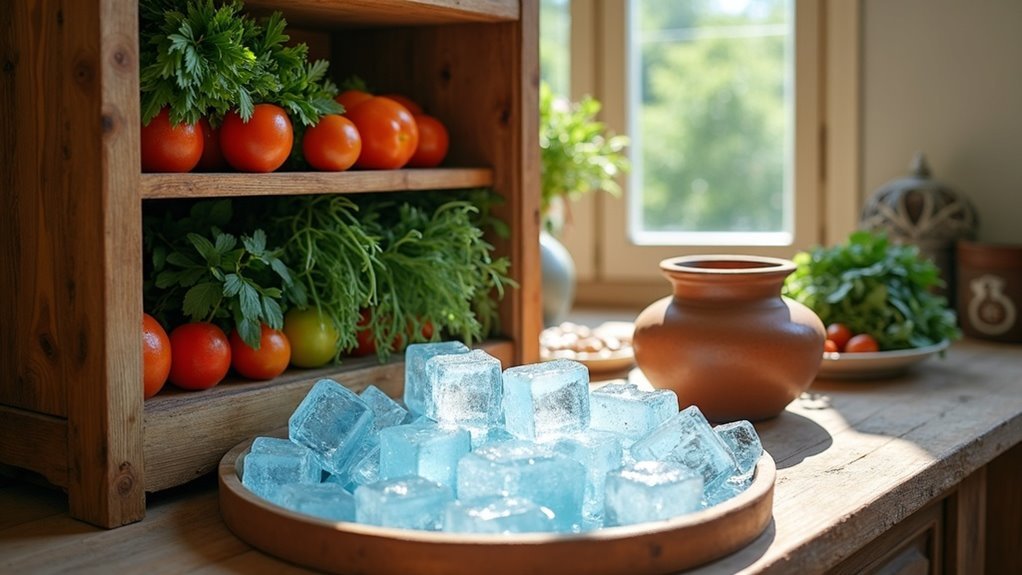
To maintain a cold environment in your fridge during a power outage, strategically place large containers of ice or frozen water bottles inside to absorb heat effectively.
For your perishable supplies, consider transferring them to a well-insulated cooler packed with ice, as this can significantly bolster your cooling strategy.
It’s crucial to keep the cooler lid sealed as much as possible to retain the cold air, and make it a point to regularly replenish ice packs to ensure optimal temperatures.
This approach is essential for survival preparedness, ensuring your food remains safe and your resources are preserved during emergencies.
Ice Container Placement
Utilizing ice containers effectively can significantly improve your fridge’s cooling capabilities during a power outage, a crucial aspect of survivalism and prepping.
Place a large container filled with ice directly inside your fridge to help maintain a cold temperature and absorb heat, preventing your food from spoiling. Incorporate ice packs or frozen water bottles as additional cold sources, positioning them alongside your perishable items to extend their freshness.
To maximize cooling efficiency, group perishable items together near the ice container, creating a concentrated cold zone that can withstand longer periods without power. Regularly check and replace ice packs or containers with fresh ice to ensure your fridge remains cold.
This strategy is essential for keeping your food supplies safe and usable during emergencies when grid power is unavailable.
Cooler Maintenance Tips
While power outages can significantly impact your food storage, effective cooler maintenance can be crucial for survival situations. Start by transferring perishable food items to a cooler filled with ice, positioning it in a shaded area to prolong the cooling effect. Regularly monitor the temperature inside the cooler and fridge to ensure optimal conditions. Utilize ice packs or frozen water bottles to maintain consistent cooling, and remember to rotate them as needed to avoid spoilage.
| Action | Purpose | Tips |
|---|---|---|
| Keep the lid closed | Minimize warm air entry | Only open when absolutely necessary to conserve cold air |
| Group items | Enhance cooling | A full cooler retains cold better than an empty one |
| Replace ice packs | Guarantee effective cooling | Consider using dry ice for longer-lasting cooling power |
Keep Doors Closed
Keeping the fridge door closed is crucial for survival during a power outage. Each time the door is opened, valuable cold air escapes, leading to a rise in internal temperature and an increased risk of food spoilage.
To optimize your food preservation strategy, group items together inside the fridge. This helps maintain a cooler environment when the door remains shut. It’s essential to limit unnecessary openings; designate a specific area for frequently used items to minimize how often you access the fridge.
Consider using tape or a prominently displayed sign as a reminder for everyone in your household to keep the doors closed. This simple practice can significantly extend the life of your stored food, vital for your preparedness plans.
Move Frozen Food to the Bottom
To maximize cold retention during a power outage, strategically move your frozen food to the bottom of the fridge, as cold air naturally sinks.
Grouping these items together not only minimizes air circulation but also creates a cooling reservoir that can help maintain the temperature of other perishables.
By organizing your food in this manner, you not only optimize cold retention but also ensure that your most sensitive items remain as fresh as possible, which is crucial for survival situations.
Maximize Cold Retention
To enhance cold retention during emergency situations, placing frozen food at the bottom of your fridge is a tactical move. Since cold air naturally descends, this strategy helps maintain a lower temperature, which is critical during power outages. By grouping your frozen items together, you minimize air circulation and create a solid mass of cold that can help keep other perishables cool.
| Strategy | Benefits |
|---|---|
| Place frozen food | Maintains low temperatures |
| Utilize ice packs | Adds extra cooling capacity |
| Keep freezer full | Prolongs the preservation of food |
These techniques are essential for survivalists and preppers looking to maximize their food storage capabilities during crises.
Minimize Air Circulation
Placing frozen food at the bottom of your fridge is just one way to maximize cold retention; however, minimizing air circulation plays a crucial role in preserving that cold, especially in survival situations.
Here are key strategies to consider for effective food storage:
- Group frozen items together to create insulation, which helps maintain low temperatures.
- Keep the doors closed as much as possible to minimize cold air loss and retain the internal temperature.
- A fully packed freezer can maintain its temperatures for up to 48 hours, making it essential for emergency preparedness.
- Use strategic placement to create barriers that protect sensitive items from temperature fluctuations.
Implementing these techniques can enhance your food storage strategy, ensuring that you’re well-prepared for any situation.
Optimize Food Organization
While it may seem straightforward, optimizing food organization by positioning frozen food at the bottom of your fridge is a critical survival strategy for maintaining cold temperatures.
As cold air naturally sinks, placing frozen items below effectively insulates the fridge, preserving the freshness of food stored above. Grouping frozen items together reduces air circulation, allowing them to stay frozen longer—an essential factor during emergencies or power outages.
A fully stocked freezer can maintain its cold for up to 48 hours, which is vital when preparing for extended periods without electricity.
Furthermore, incorporating ice packs or frozen water bottles can significantly enhance cold retention, ensuring your food remains safe and fresh even in challenging situations.
Use Dry Ice or Frozen Water Bottles
To ensure your fridge remains cold during a power outage, employing dry ice or frozen water bottles can be a critical strategy for survival preparedness. Here’s how to effectively utilize these methods:
Employing dry ice or frozen water bottles is essential for keeping your fridge cold during a power outage.
- Utilize dry ice: This powerful tool can keep your food at safe temperatures for approximately two days, making it essential for long-term outages.
- Frozen water bottles: In addition to maintaining cold temperatures, these bottles can be thawed for drinkable water, ensuring hydration during emergencies.
- Protective gear: Always handle dry ice with insulated gloves to prevent frostbite, as safety should be a top priority.
- Optimal placement: Position dry ice on the top shelf of your fridge, as cold air sinks, ensuring that all items remain properly chilled.
Implementing these strategies can significantly enhance your food preservation efforts during unexpected situations, supporting your overall survival plan.
Consider a Backup Power Source
In the unpredictable world we live in, preparing for power outages is crucial for survival, especially when it comes to food preservation. A reliable backup power source for your fridge can be a lifesaver in maintaining food safety during emergencies.
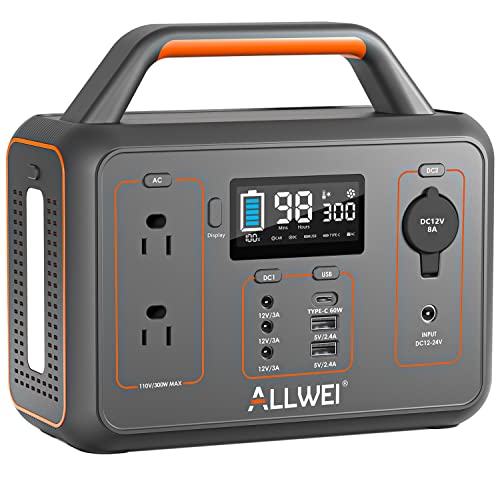
Consider investing in a portable power station, such as the EcoFlow DELTA 2, which can provide dependable power for 7 to 14 hours. For longer outages, the DELTA Pro is an excellent choice, offering extended power capabilities.
For those serious about self-sufficiency, a Whole Home Backup Power Solution can be tailored to meet your specific energy needs, ensuring that your entire household remains powered during extended disruptions.
Additionally, harnessing solar energy with panels rated at 300-400W can significantly prolong your fridge’s cooling time, allowing you to keep perishable items safe longer.
Cook and Consume Perishable Items
When power outages occur, cooking and consuming perishable items is an essential strategy for survivalists to minimize waste and ensure food safety.
Here are some key tips to navigate this challenge effectively:
- Cook meat and dairy products to reduce spoilage and enhance food safety, ensuring you have safe meals during an outage.
- Utilize gas stoves or portable grills, which operate independently of the power grid, allowing you to prepare food even during extended outages.
- Consider sharing excess perishable items with neighbors, fostering community bonds and mutual support in survival situations.
- Prioritize consuming items that are nearing their expiration date to minimize waste and maximize your food resources.
If power is restored soon, be sure to freeze leftovers promptly to extend their shelf life, ensuring you have food reserves ready for future use.
Monitor Temperature Regularly
After cooking and consuming perishable items, monitoring your fridge’s temperature becomes crucial for maintaining food safety, especially during a power outage.
Keep an appliance thermometer inside your fridge to track the temperature, ensuring it remains below 40°F to prevent food spoilage and waste. Regularly check the thermometer, particularly during outages, and take immediate action if the temperature rises above safe levels.
Monitor your fridge’s temperature with an appliance thermometer, ensuring it stays below 40°F to keep food safe during outages.
To maintain a stable internal temperature, limit the frequency of opening the fridge door. Consider using ice packs or frozen water bottles to help keep the temperature down, and consistently monitor their effectiveness by checking the temperature regularly.
This proactive approach will ensure your food remains safe and fresh, a vital aspect of your survival preparedness.