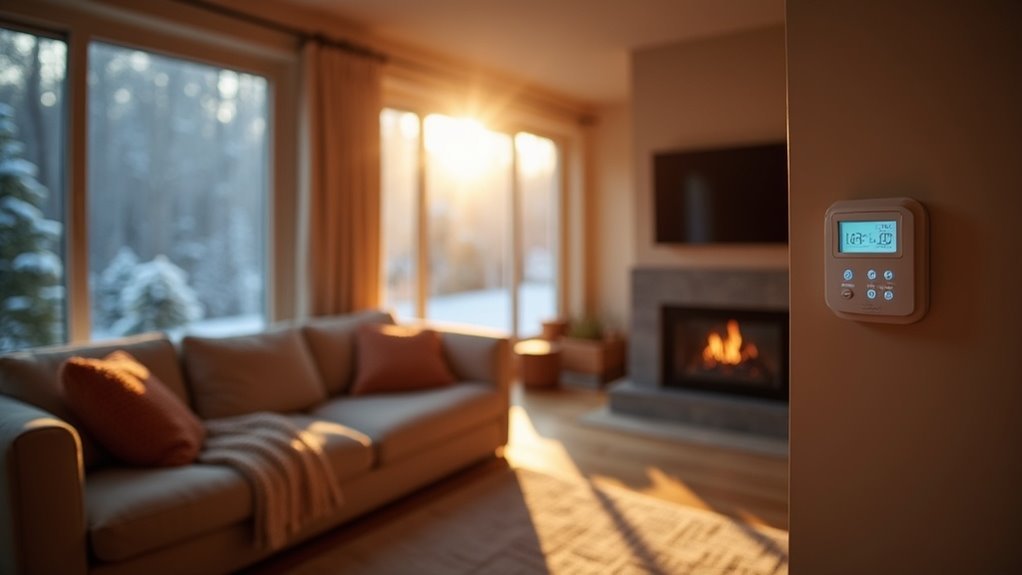
To ensure carbon monoxide safety in your survivalist preparations, it’s crucial to install CO alarms outside sleeping areas and on every level of your shelter. Proper ventilation is key, so keep vents clear and regularly inspect exhaust pipes to prevent dangerous buildup. Always use appliances strictly as intended, and avoid indoor grilling or heating methods that can lead to CO accumulation. Stay vigilant for symptoms of CO poisoning, such as dizziness and headaches, as they can be critical indicators of danger. Schedule annual professional maintenance for all fuel-burning appliances to minimize risks in your preparedness plan. For more strategies on enhancing your safety and survival readiness, explore additional guidelines and best practices tailored for preppers.
Key Takeaways
- Equip your shelter with CO alarms placed outside sleeping areas and on every level, ensuring they are interconnected for simultaneous alerts, enhancing your safety preparedness.
- Conduct annual inspections of all fuel-burning appliances and ventilation systems to ensure they operate efficiently and prevent dangerous CO buildup, a critical aspect of your survival strategy.
- Maintain clear vents and exhaust pipes, regularly checking for obstructions, especially during winter months when snow may accumulate and pose additional risks.
- Utilize gas appliances strictly according to their intended purpose and ensure proper ventilation whenever operating fuel-burning devices indoors to minimize CO exposure.
- Familiarize yourself with the symptoms of CO poisoning, including confusion and dizziness, and be ready to seek immediate assistance if you suspect exposure, as quick action can be vital in survival situations.
Install and Maintain CO Alarms
To ensure your safety from carbon monoxide (CO) poisoning in a survivalist or prepping context, it’s crucial to install and maintain CO alarms effectively.
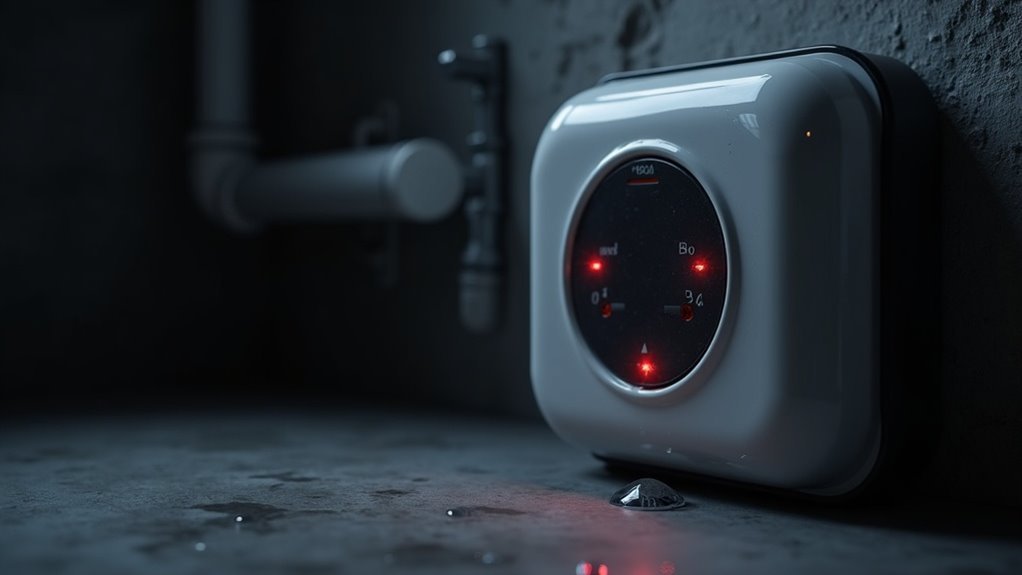
Position CO alarms outside each sleeping area and on every level of your homestead for maximum protection. Interconnecting your CO alarms ensures that when one sounds, they all alert simultaneously, providing an added layer of safety during emergencies.
Position CO alarms outside sleeping areas and on every level to maximize safety; interconnect them for simultaneous alerts during emergencies.
Regularly test CO alarms at least once a month to confirm their functionality, and replace them according to the manufacturer’s guidelines—typically every 5 to 10 years.
Always install CO alarms at the recommended height to accurately detect this colorless gas, and opt for certified models to guarantee reliability in critical situations.
Staying vigilant about CO safety is an essential aspect of preparedness.
Ensure Proper Ventilation
Ensuring proper ventilation is crucial for survivalists and preppers to prevent dangerous carbon monoxide buildup in your shelter or home. It’s vital to keep all vents and exhaust pipes clear, particularly during harsh winter storms, as blocked vents can significantly increase CO exposure risks.
Regularly inspect for snow accumulation around the exhaust stacks of fuel-burning appliances like generators, furnaces, and fireplaces. Always vent these appliances outdoors to safely disperse CO gas, which is essential for maintaining a secure living environment.
To maintain adequate airflow indoors, open windows and doors when using these devices, allowing fresh air to circulate and keeping your space breathable.
Additionally, schedule annual inspections by professionals to ensure your ventilation systems are functioning correctly and are free from leaks. Equip your space with carbon monoxide alarms to provide an added layer of safety.
In survival situations, being proactive about ventilation can mean the difference between safety and danger.
Follow Safe Appliance Usage
When utilizing fuel-burning appliances in a survival or prepping situation, it’s crucial to prioritize safety to prevent the buildup of carbon monoxide (CO) in your shelter.
Always operate grills and generators outdoors; using them indoors can lead to hazardous CO accumulation. Use gas appliances only for their designated purposes, and never rely on gas ranges or ovens as a heat source for your shelter, as this significantly increases the risk of CO poisoning.
Ensure proper ventilation while using any fuel-burning appliances, and routinely check that vents for dryers, furnaces, and stoves are free from obstructions.
To further enhance safety, install CO alarms on every level of your shelter.
Recognize Symptoms of CO Poisoning
Recognizing the symptoms of carbon monoxide (CO) poisoning is crucial for survival, especially since these symptoms can often mimic those of the flu, but without the fever.
Stay vigilant for signs such as confusion, dizziness, headaches, nausea, vomiting, and weakness. High concentrations of CO can lead to unconsciousness and may be fatal within minutes, making swift action essential.
Vulnerable populations, including infants and pregnant women, face an even higher risk. To enhance your preparedness, install a Carbon Monoxide Detector in your home to monitor levels effectively.
This proactive measure can help ensure that you seek immediate assistance if you suspect CO poisoning. Your awareness and readiness can be lifesaving in critical situations.
Schedule Regular Professional Maintenance
Taking proactive steps to prevent carbon monoxide (CO) poisoning is crucial for survivalists and preppers. Scheduling regular professional maintenance for your fuel-burning appliances is an essential part of ensuring your safety and preparedness.
Annual inspections by qualified professionals are vital to guarantee safe and efficient operation, especially in a self-sufficient environment. Dirty or faulty systems can be common CO sources, so it’s important to focus on cleaning chimneys and confirming proper venting.
Cracked chimneys can lead to dangerous CO accumulation indoors, making inspections a priority for anyone focused on long-term survival. Homeowners should check gas appliances at least once a year to reduce poisoning risks and enhance safety.
Proper maintenance not only prevents CO issues but also boosts energy efficiency, potentially lowering your utility costs while keeping your home safe and ready for any situation.