To effectively manage chronic conditions during power outages, it’s crucial to take a proactive approach. Start by thoroughly assessing your medical needs, particularly for any essential devices that you rely on. Invest in reliable backup power solutions such as generators or portable power stations to ensure your critical equipment remains operational.
To safeguard your medications, utilize coolers with ice packs to maintain the appropriate temperatures, preventing any degradation of effectiveness. Assemble a comprehensive emergency kit that includes not only your medications but also necessary supplies and communication tools to stay connected with loved ones and emergency services.
Stay informed about local power status updates and restoration plans, as this knowledge can significantly impact your preparedness during emergencies. Being prepared is key in survival situations, so continue to explore additional practical tips and strategies for managing your chronic conditions when faced with outages.
Key Takeaways
- Conduct a thorough assessment and inventory of all essential medical devices, detailing their power requirements and operational limits during outages to ensure preparedness.
- Develop a reliable backup power solution, such as a generator or portable power station, to maintain functionality of critical devices during extended outages.
- Store temperature-sensitive medications in a robust cooler with ice packs, ensuring they remain within safe temperature ranges to prevent spoilage.
- Assemble a comprehensive emergency kit that includes backup batteries, power banks, and user manuals for medical devices, ensuring you are ready for any outage scenario.
- Regularly review and practice your emergency plan with family members, assigning specific roles and responsibilities to enhance your collective response during a power outage.
Understanding the Causes of Power Outages
When severe weather strikes, it can lead to power outages that leave you without essential services, making preparedness critical. High winds, wildfires, and winter storms often inflict significant damage to power lines and infrastructure, disrupting your ability to stay safe and self-sufficient.
Utility companies may also implement planned outages during peak demand or high-risk conditions to prevent larger issues, which can catch unprepared individuals off guard.
In 2020, states like Alabama and Louisiana experienced the most interruptions, primarily due to severe weather. Understanding these causes is essential for anyone engaged in survivalism and prepping, as it enables you to prepare for power outages and manage unexpected disruptions effectively—especially if you rely on medical devices or other critical equipment.
Assessing Your Medical Needs
When preparing for potential power outages, it’s crucial to assess your medical needs thoroughly.
Begin by identifying any essential medical devices you depend on, such as CPAP machines or insulin pumps.
Next, strategize on how to store medications that require refrigeration to ensure they remain effective.
Consider using alternative power sources, like generators or battery backups, to keep these devices operational.
This proactive approach will enhance your preparedness and ensure you maintain your health during unexpected disruptions, aligning with survivalism principles.
Identify Critical Medical Devices
Identifying your critical medical devices is crucial for maintaining your health during power outages, especially in a survivalist scenario.
Begin by taking stock of all medical devices that require electricity, such as insulin pumps, nebulizers, and CPAP machines. Consult with your healthcare provider to determine how long these devices can operate without electrical power, and devise a comprehensive plan for each device.
Explore backup options like portable battery packs or solar-powered generators to ensure you can sustain their operation in emergencies. Additionally, discuss your supplemental oxygen needs and alternative delivery methods with your provider to prepare for any situation.
Lastly, label all equipment with emergency settings and instructions, enabling you to use them effectively and safely when a power outage strikes.
Being prepared is key to survival, so take these steps seriously.
Evaluate Medication Storage Needs
How can you ensure your medications stay safe and effective during a power outage?
First, identify which medications require specific temperature storage below 46°F (8°C) and prepare a reliable cooler with ice packs for preservation.
Regularly check expiration dates and consult with your healthcare provider about any medications that may be impacted by temperature fluctuations, ensuring you have alternatives ready in case of emergencies.
Keep an updated list of these medications and consider backup storage solutions for extended outages.
Don’t hesitate to reach out to your pharmacist for guidance on how long these medications can remain unrefrigerated and what steps to take if the power goes out.
Your health and preparedness depend on it.
Preparing Backup Power Solutions
As power outages can significantly impact your ability to maintain critical health and safety measures, having reliable backup power solutions is essential for survival readiness.
Reliable backup power solutions are crucial for maintaining health and safety during power outages.
Here are three options to consider for your preparedness plan:
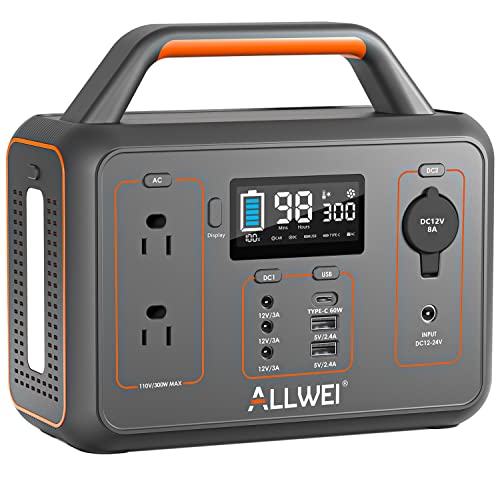
1. Portable Power Stations: These versatile devices provide hours of power for essential medical equipment, allowing you to stay operational during outages and ensuring you’re ready for any situation.
2. Home Generators: Designed to sustain power for extended periods, Home Generators are a vital component of your prepper toolkit.
Always place them outdoors, at least 20 feet away from doors and windows to avoid the dangers of carbon monoxide poisoning.
3. Small Battery Packs: Keep a stock of charged battery packs for critical devices such as nebulizers or CPAP machines.
This simple measure can help you effectively manage disruptions and maintain your health during emergencies.
Being prepared with these backup power solutions is a key aspect of your survival strategy.
Ensuring Medication Stability
Power outages can severely impact your ability to access essential devices and compromise the stability of critical medications. For survivalists, understanding how to safeguard your medications during these events is vital.
Medications like insulin, which require refrigeration, necessitate a well-prepared cooler with ice packs to maintain temperatures below 46°F (8°C). It’s wise to consult with your pharmacist or healthcare provider in advance to develop a robust medication stability and storage plan.
Consider investing in a portable power source or generator specifically designed for maintaining temperature-controlled environments. Regularly check the thermometers in your coolers to ensure they’re functioning properly.
Additionally, keep an updated inventory of all medications, including their storage requirements and expiration dates, to ensure effective management during emergencies. Being proactive in these areas can significantly enhance your preparedness and resilience in the face of unexpected disruptions.
Creating an Emergency Kit
When unexpected outages occur, having a well-prepared emergency kit can be crucial for effectively managing chronic conditions and ensuring your survival.
To enhance your readiness, include these essential items in your emergency kit:
- Backup batteries for medical devices and a reliable power bank for your phone, ensuring you stay connected and can operate necessary equipment.
- Cooler with ice packs to keep temperature-sensitive medications below 46°F (8°C), safeguarding your health in case of extended outages.
- Manuals for all medical equipment to assist you in operating them without electricity, allowing you to maintain your health regimen.
Regularly review and update your emergency kit to ensure all supplies are functional and ready for use.
Remember, being well-prepared is vital for your health, safety, and peace of mind during emergencies.
Embrace the survivalist mindset and take charge of your preparedness today!
Registering With Utility Companies
To ensure your survival and preparedness during power outages, it’s crucial to register with your utility company, especially if you depend on medical devices. Doing so guarantees priority reconnection services when the power goes out, which can significantly reduce health risks.
Many utility providers have special lists for customers with critical needs, enabling you to receive advance notifications regarding potential outages and maintenance. For example, PG&E in California offers a Medical Baseline Program that provides additional notifications and increased electricity allotments at reduced rates for those who qualify.
Always keep your contact information updated with utility companies to receive timely alerts and assistance during emergencies. In the world of survivalism, being proactive about your utility services is essential for your health and safety.
Developing a Comprehensive Emergency Plan
While it might be easy to overlook, developing a comprehensive emergency plan is crucial for anyone managing chronic conditions, especially in the face of potential power outages.
Developing a comprehensive emergency plan is essential for managing chronic conditions, particularly during potential power outages.
Here are three key steps to consider for effective survival preparedness:
- List Medical Devices: Create a detailed inventory of all medical devices and medications that require electricity. Note how long each can function without power and outline your backup plans for each situation.
- Alternative Power Sources: Invest in and maintain reliable generators or battery backups to ensure that you can sustain the operation of essential medical devices during emergencies. Consider renewable energy options as well for extended preparedness.
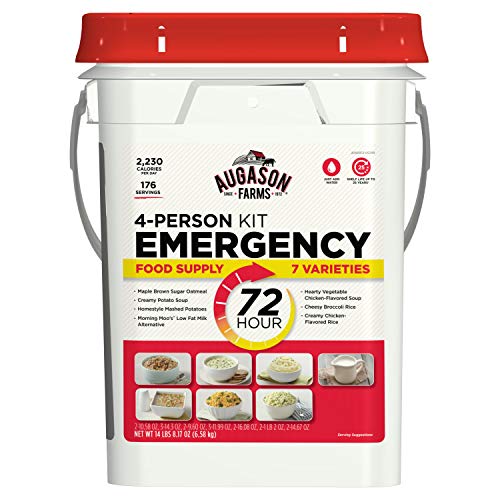
- Emergency Kit: Assemble a well-stocked emergency kit that includes vital medical supplies, a cooler for medications, non-perishable food items, water, and a list of emergency contacts, including healthcare providers and local emergency services.
Regularly review and practice this plan with your household to ensure everyone is prepared and ready to respond effectively in any crisis.
Stay vigilant and proactive in your survival strategy.