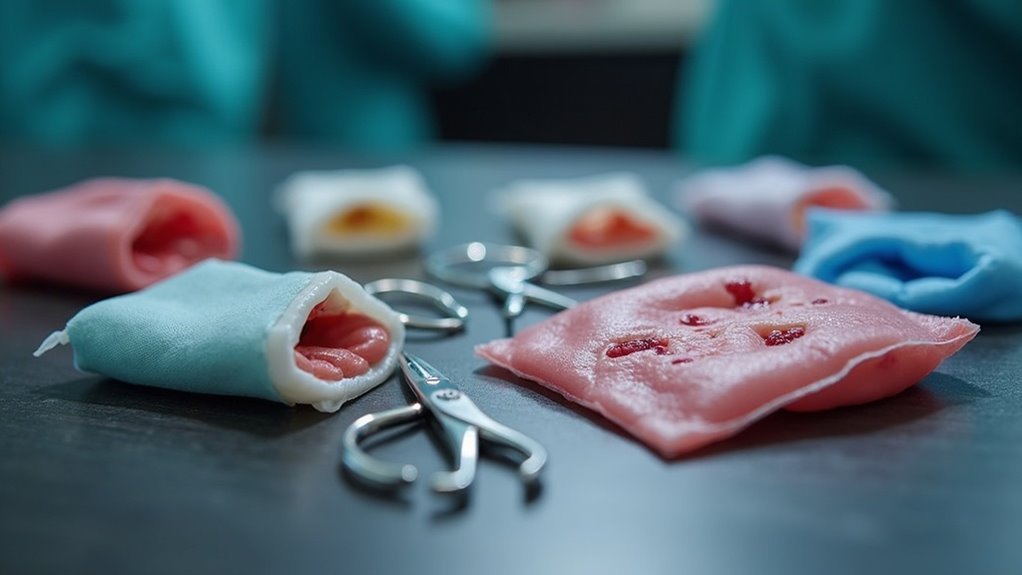
To effectively manage menstrual hygiene during emergencies, it’s crucial to ensure access to essential survival items such as sanitary pads, soap, and durable underwear. Establishing safe, private sanitation spaces that respect cultural beliefs is vital, along with providing the necessary resources for hygiene maintenance. Educating individuals on menstrual health can help diminish stigma and empower menstruators, making them feel more in control during crises. Always involve those affected in the planning process to develop tailored solutions that suit their specific needs. By incorporating these strategies, not only do we preserve dignity, but we also strengthen community resilience in the face of adversity. For more actionable insights and recommendations on effective management in challenging survival situations, explore additional resources.
Key Takeaways
- Ensure access to survival kits that include essential menstrual hygiene products, soap, and disposal bags for effective management during emergencies.
- Establish private, well-lit sanitation areas that respect cultural sensitivities to enhance comfort and dignity for those in need.
- Educate and train survivalists on menstrual health management to better support individuals during crisis situations.
- Engage menstruators in planning and decision-making to customize solutions that address their specific needs in survival scenarios.
- Implement awareness initiatives to confront cultural taboos and minimize stigma surrounding menstruation in emergency preparedness contexts.
The Importance of Menstrual Hygiene Management in Emergencies
When emergencies strike, managing menstrual hygiene becomes a crucial aspect of survival and preparedness that significantly impacts the health and dignity of displaced girls and women.
Over 26 million face substantial challenges due to insufficient access to menstrual products and sanitation facilities. This lack can lead to serious health risks, such as urinary tract infections, and emotional distress. Cultural beliefs often complicate the situation, restricting movement and hindering effective menstrual hygiene management (MHM).
Insufficient access to menstrual products jeopardizes health and dignity, leading to serious risks and emotional distress for millions.
In the context of survivalism and prepping, it’s essential to incorporate comprehensive menstrual hygiene management strategies into emergency plans. This not only safeguards health but also preserves dignity, reduces stress, and enhances overall community resilience during crises.
Preppers should prioritize MHM by ensuring access to essential supplies and education, fostering healthier, empowered individuals capable of navigating emergencies effectively.
Essential Components of Menstrual Hygiene Kits
Essential menstrual hygiene kits are crucial for managing menstruation effectively, especially in survival situations or emergencies. These kits should include items tailored to individual needs, ensuring safe and dignified menstrual hygiene management.
Here are three essential components for a well-prepared kit:
- Sanitary pads, tampons, or menstrual cups – these provide comfort and safety, allowing for effective management of menstrual flow during challenging times.
- Soap and disposable bags – critical for maintaining hygiene and ensuring proper waste disposal, especially when resources may be limited.
- Underwear – essential for promoting dignity and comfort during menstruation, helping individuals feel secure and self-sufficient.
In addition to these components, including educational materials can empower individuals in emergency contexts, enabling them to understand and utilize these products effectively.
It’s also important to consider cultural sensitivity to ensure accessibility and relevance, making the kits suitable for diverse communities in various survival scenarios.
Promoting Education and Awareness on Menstrual Health
Effective management of menstrual hygiene kits is crucial, but it’s only one piece of the puzzle for ensuring the well-being of menstruators in emergency situations.
In the context of survivalism and prepping, it’s essential to prioritize education and awareness on menstrual health to address the unique challenges that displaced girls and women face. Cultural taboos and stigma can lead to isolation during menstruation, making it vital to implement comprehensive educational initiatives.
Training those involved in emergency preparedness and response on menstrual hygiene management (MHM) equips them to provide the necessary support. Engaging menstruators in the planning and execution of these educational efforts ensures that the solutions are tailored to their specific needs.
Creating Safe Spaces for Menstruation Management
Creating safe spaces for menstruation management is vital for ensuring the dignity and health of women and girls, especially in survival and prepping scenarios.
Establishing safe spaces for menstruation management is essential for preserving the dignity and health of women and girls in survival situations.
To establish effective safe spaces in emergency or survival situations, consider these key elements:
- Private, well-lit, and lockable sanitation facilities to ensure confidentiality and comfort for those in need.
- Gender-segregated sanitation facilities to promote use and provide necessary menstrual hygiene resources, which are crucial for maintaining health in challenging conditions.
- Culturally sensitive designs that respect and accommodate the beliefs and taboos surrounding menstruation, allowing for a more inclusive environment in survival settings.
Recommendations for Humanitarian Response Teams
When preparing for potential crises, it’s crucial for survival teams to prioritize menstrual hygiene management (MHM) to meet the specific needs of menstruating individuals. Incorporate MHM into your emergency preparedness plans, ensuring that those affected have access to necessary resources.
| Key Actions | Description |
|---|---|
| Include Supplies | Stock menstrual products in your emergency kits. |
| Design Facilities | Plan for private and safe sanitation solutions. |
| Involve Menstruators | Include menstruators in the planning process for effective solutions. |
Providing training materials for survivalists enhances understanding of menstrual health needs, ensuring culturally appropriate and effective responses in emergencies.