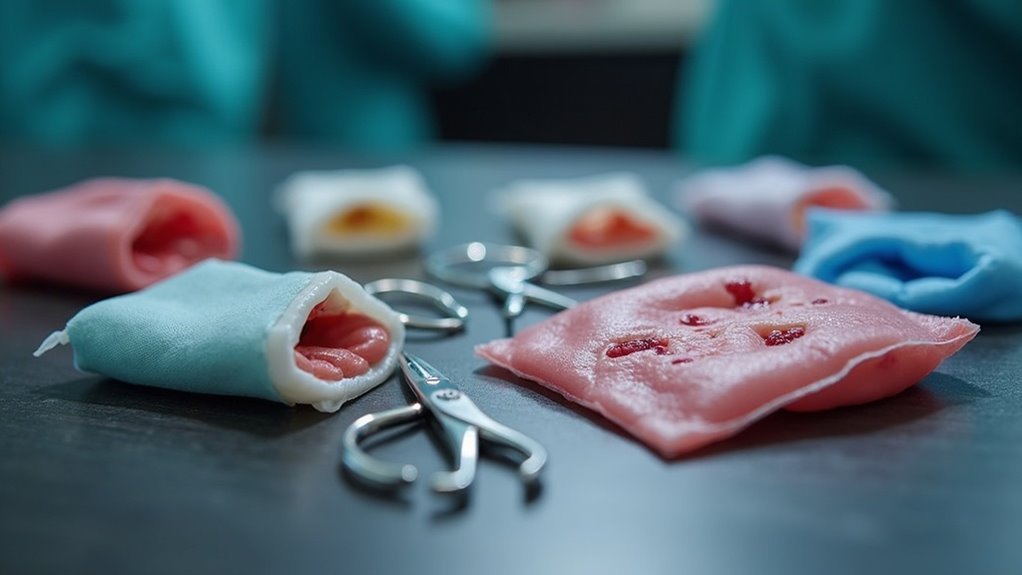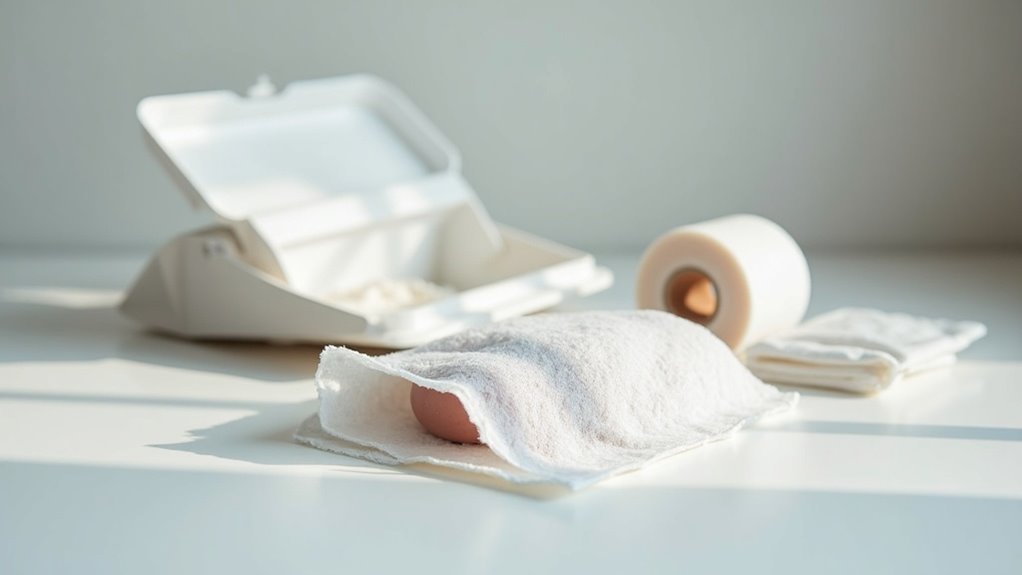
To pack a wound safely in a survival situation, start by thoroughly washing your hands and creating a sterile workspace, if possible. Gather essential supplies like packing material, sterile gloves, and a wetting solution, which could be saline or clean water. Moisten the packing material and gently fill the wound without applying excessive tightness to avoid further injury. Cover the wound with a clean dressing, securing it with tape or any available adhesive. Regularly monitor the wound for signs of infection, such as redness or swelling, and maintain hygiene by changing dressings as needed. In emergency preparedness, knowing how to manage wounds effectively can be crucial for survival. Want to learn more about proper wound care techniques for survival situations?
Key Takeaways
- Before handling any wound materials, thoroughly wash your hands and wear sterile gloves to prevent infection, which is crucial in survival situations where medical help may be far away.
- Prepare a clean workspace, ideally in a secure location, with all necessary supplies organized and easily accessible to ensure efficiency during an emergency.
- Moisten packing material with a sterile solution, if available, before gently filling the wound without excessive tightness, as proper packing can help prevent further complications in survival scenarios.
- Secure the packed wound with a clean outer dressing and leave a small tail on the packing material for easy removal, making it easier to change dressings when resources are limited.
- Regularly monitor for signs of infection and change the dressing as needed, documenting the healing process to keep track of any changes, which is essential in an off-grid situation where medical records might not be available.
Overview of Wound Packing
Wound packing is a critical skill for survivalists and preppers, particularly in scenarios where access to medical care may be limited. This technique involves filling a deep or complex wound with sterile dressing material to create a moist environment that promotes healing and helps prevent infection.
Wound packing is essential for survivalists, ensuring effective care for deep wounds when medical help is inaccessible.
It’s especially vital for full-thickness wounds that can’t be closed with stitches, such as those from accidents or animal bites.
When performing wound packing, maintaining cleanliness is paramount. This includes thorough handwashing and the use of sterile gloves if available.
If you’re in a survival situation without conventional medical supplies, improvisation with clean materials is key. Be aware of any pain during the process and watch for signs of infection, such as increased redness, swelling, or unusual drainage.
Regular monitoring and follow-ups, if possible, are essential to ensure the wound is healing properly and to make adjustments to your care approach as needed.
Mastering wound packing is an invaluable part of your preparedness strategy, equipping you to handle injuries effectively when help may not be immediately available.
Preparation for Packing
Before you start packing a wound in a survival situation, ensure your workspace is clean and organized, even if you’re outdoors.
Gather all necessary supplies, including sterile gloves, packing material, and a wetting solution, to streamline the process.
A tidy environment and well-prepared materials are crucial to prevent contamination and ensure safety, especially when resources may be limited.
Being prepared and organized can make all the difference in managing injuries effectively while in the field.
Gather Necessary Supplies
To effectively pack a wound in a survival situation, it’s crucial to gather the necessary supplies in advance to ensure a seamless process. Be prepared with packing material, a sterile wetting solution, sterile gloves, and a clean bowl for preparation. Here’s a quick list of additional essential items:
| Supplies | Purpose |
|---|---|
| Scissors | Cutting packing material |
| Clean towel | Covering the work area |
| Bandages or tape | Securing the dressing |
In addition, don’t forget to include sterile cotton swabs, alcohol wipes for cleaning, and a small plastic bag for disposing of old dressing supplies. Organizing everything in a compact basket or pouch will provide easy access when you need it most, especially in a survival or prepping scenario.
Clean Workspace Thoroughly
Creating a clean and clutter-free workspace is vital in survival situations, especially when it comes to minimizing contamination risks during tasks like wound packing.
Begin by designating a specific area, such as a sturdy table or a clean sink, and thoroughly clean the surface using a suitable disinfectant. Once the area is sanitized, cover it with a clean towel to provide an additional barrier against contaminants.
Prior to starting, gather all necessary supplies, including packing materials and sterile gloves, to ensure efficiency during the process.
Finally, wash your hands with antimicrobial soap and water for at least 20 seconds before handling any supplies. This careful approach helps establish a safe environment, ensuring effective wound packing even in challenging circumstances.
Gathering Necessary Supplies
When preparing to pack a wound in a survival situation, it’s crucial to gather all necessary supplies in one organized location. This ensures you won’t waste valuable time searching for items while managing the wound, which can be critical when resources are limited.
Gather all wound packing supplies in one place to save time and ensure efficiency in critical survival situations.
Be sure to include:
- Packing material and a sterile wetting solution, ideally from your medical supplies stockpile
- Sterile gloves to maintain cleanliness and prevent infection
- A clean cloth, scissors for cutting materials, and a clean bowl for mixing solutions
In addition, have alcohol wipes and medical tape ready at hand, and prepare a small plastic bag for disposing of old dressings properly.
Always keep pets and children away to avoid distractions and contamination during this essential procedure, as maintaining a sterile environment is vital in survival scenarios.
Preparing Packing Material
Before you prepare packing material for your survival kit, make sure to wash your hands thoroughly to prevent infection.
Next, pour an adequate amount of sterile wetting solution into a clean bowl and cut the packing material to the recommended length.
This ensures that the packing fits your wound properly and is adequately moistened for optimal healing during emergency situations.
Being prepared means having the right materials ready, so you can handle injuries effectively when disaster strikes.
Gather Necessary Supplies
To pack a wound safely in a survival situation, it’s crucial to gather all necessary supplies beforehand. This preparation ensures an efficient and effective packing process when medical help may not be readily available. Here’s what you should have on hand:
- Packing material – pre-cut to size and ready to soak, ideally made from natural or readily available materials.
- Sterile gloves – essential for maintaining a clean environment, particularly when access to medical facilities is limited.
- Clean bowl – for your wetting solution, which could be clean water or a saline solution you’ve prepared.
Additionally, ensure you have alcohol wipes for cleaning, scissors for cutting materials, and bandages for securing the dressing.
Pre-cut tape for the outer dressing can save valuable time. Always dispose of any old dressing materials properly to prevent contamination during your packing procedure, especially in a survival scenario where resources may be scarce.
Prepare Wetting Solution
As you prepare to pack the wound, creating a sterile wetting solution is crucial for ensuring the packing material is effective in a survival situation. Start by pouring an appropriate amount of sterile solution into a clean bowl. Ensure it’s enough to fully submerge the packing material while avoiding contamination. Before handling the packing material, wash your hands thoroughly to minimize the risk of infection. After cutting the material to the specified length, dip it in the wetting solution until it’s moist but not dripping. Proper hydration is vital for effectively packing the wound, especially in emergency scenarios where infection control is paramount.
| Step | Action |
|---|---|
| 1. Pour | Sterile wetting solution into a bowl |
| 2. Wash hands | Prevent bacteria introduction |
| 3. Cut | Packing material to specified length |
| 4. Soak | Material until moist, not dripping |
Cut Packing Material
With the wetting solution prepared, the next step involves cutting the packing material to the correct length, which is crucial for effective wound management in survival situations. Typically, this means leaving a one-inch tail for easy removal.
- Cut the packing material as recommended based on your survival training or guidelines.
- Submerge the cut packing material in the wetting solution, allowing it to soak fully to ensure optimal moisture content.
- Gently wring out any excess liquid to avoid dripping, which can attract unwanted attention in a survival scenario.
Always wash your hands before and after handling the packing material to maintain a sterile environment, especially in situations where medical supplies are limited.
Properly cut packing material is essential not only for effectively packing the wound but also for promoting healing and ensuring your survival in the field.
Steps to Pack a Wound
Before you begin packing a wound in a survival situation, ensure your hands are thoroughly cleaned, and create a sterile workspace with all necessary supplies on hand, such as packing material, sterile gloves, and a wetting solution if available.
In a wilderness setting, you might need to improvise with clean cloth or other materials for packing. After cleaning the wound as best as you can, gently moisten the packing material in the wetting solution if you have it, or use clean water, and wring out any excess liquid before inserting it into the wound.
Carefully pack the material, ensuring it fills the space without being overly tight, and leave a small tail for easy removal during the next dressing change.
Finally, secure the packed wound with a clean outer dressing and tape or any available adhesive, keeping it as clean and dry as possible. Document the process in your survival journal to track healing and any changes.
Post-Packing Care
Once you’ve packed the wound, it’s crucial to provide proper care to ensure effective healing, especially in a survival situation. Follow these steps:
- Apply a clean outer dressing to cover the moist packing material and secure it with tape to protect it from the elements.
- Keep the outer dressing dry and clean, as this promotes blood flow and helps prevent infection, which is vital when access to medical facilities may be limited.
- Dispose of used gloves and old dressing materials in a plastic bag to maintain hygiene and keep your survival area clean.
Remember to change the dressing regularly and schedule a follow-up check within 48 hours to assess healing progress.
Proper post-packing care is essential for optimal recovery and to avoid complications, especially when resources may be scarce in survival situations.
Warning Signs to Monitor
How can you tell if your wound is healing properly while engaging in survival situations?
It’s crucial to monitor for increased drainage from the wound, as this could indicate an infection or complication that could hinder your survival efforts.
Pay attention to any redness surrounding the wound, along with increased pain or swelling; these symptoms may signal an adverse reaction that requires immediate attention.
Watch for changes in the color or odor of the wound tissue, as these can be strong indicators of infection, which could jeopardize your ability to remain self-sufficient.
Additionally, keep an eye on the size of the wound—any increase might suggest improper healing and could lead to more severe issues in the wilderness.
If you develop a fever above 100.4°F (38°C), it’s essential to seek medical attention promptly, as this might indicate a systemic infection that can compromise your health and survival.
Always be prepared and knowledgeable about wound care in your prepping endeavors.
When to Contact Healthcare Provider
Knowing when to contact a healthcare provider is essential for ensuring proper wound care and preventing complications, especially in survival situations. Here are key scenarios to watch for:
- If you notice signs of infection, such as increased size, redness, swelling, or pain around the wound, contact your healthcare provider immediately to avoid further complications.
- Changes in drainage color, consistency, or odor could indicate serious issues; inform your doctor as soon as possible.
- If you experience uncontrolled bleeding that doesn’t stop despite applying pressure, seek medical attention right away to prevent severe blood loss.
In survival scenarios, being vigilant with dressing changes and monitoring your wound is crucial for maintaining optimal healing and avoiding serious health threats.
Stay prepared and know when to seek help.