To effectively prepare for extended blackouts, begin by assembling a comprehensive emergency kit that includes water, non-perishable food, a first aid kit, and essential communication tools. Ensure all critical devices are fully charged and consider investing in backup power sources, such as solar chargers or portable generators. To maintain food safety, keep refrigerator doors closed as much as possible and utilize coolers for perishable items when necessary. Stay warm by sealing off rooms and stockpiling supplies like blankets and sleeping bags. Additionally, connect with your local community to foster support networks, ensuring everyone’s resilience during outages. Remember, thorough planning and preparedness can make a significant difference in your survival during prolonged blackouts.
Key Takeaways
- Assemble a comprehensive emergency kit that includes survival essentials such as non-perishable food, clean water, medical supplies, and reliable communication tools to support your needs during extended blackouts.
- Keep mobile devices charged and invest in backup power solutions like solar chargers or portable power banks to ensure you can maintain communication and access crucial information.
- Stockpile non-perishable food items and maintain a minimum three-day supply of bottled water to ensure hydration during emergencies.
- Develop a robust heating strategy utilizing blankets, hot water bottles, and battery-operated heaters to stay warm and safe during power outages.
- Establish a resilient community network for sharing vital information, resources, and assistance, particularly for vulnerable individuals, during prolonged outages to strengthen collective preparedness.
Understanding Power Outages
When severe weather strikes or equipment fails, understanding power outages is crucial for your survival and preparedness. While most outages may only last a few minutes, prolonged interruptions can occur, particularly in areas with aging infrastructure like Houston.
Factors such as severe weather, wildlife interference, and human error frequently contribute to these outages. It’s vital to consider how these disruptions can impact your daily life, especially if you rely on medical equipment or require access to essential services.
To enhance your readiness, stock your emergency kit with non-perishable foods, backup power sources, and other survival essentials. This proactive approach will help you stay safe during blackouts, ensuring you’re equipped to handle any situation that arises.
Preparing Your Emergency Kit
An effective emergency kit is essential for survival during extended blackouts, and it’s vital to customize it to your family’s unique needs and circumstances.
An essential emergency kit tailored to your family’s needs is crucial for surviving extended blackouts.
Start by including at least one gallon of bottled water per person per day for a minimum of three days to ensure hydration.
Pack a three-day supply of non-perishable food items, such as canned goods, dehydrated meals, and energy bars, that don’t require cooking or refrigeration.
A well-stocked first aid kit is critical; it should contain bandages, antiseptics, and any necessary prescription medications for all family members.
Additionally, equip your kit with hand- or solar-powered communication tools, like a NOAA weather radio, to stay informed about emergency updates.
Finally, regularly review and refresh your emergency kit to ensure that it remains aligned with your household’s current needs and preparedness goals.
Stay ready and stay safe!
Ensuring Food Safety During Outages
To ensure your food remains safe during outages, it’s essential to know how to manage your refrigerator and freezer effectively as part of your survival strategy.
During a power outage, keep refrigerator doors closed to maintain a safe temperature for up to four hours. A full freezer can keep food frozen for about 48 hours if left unopened.
If the outage extends beyond that, consider transferring perishables to a cooler with ice to preserve them. Discard any perishable food that has been above 40°F for over two hours, as this poses a risk to your health.
For long-term preparedness, stockpile non-perishable food items such as canned goods, granola bars, and other shelf-stable options.
Additionally, regularly check the temperatures of your refrigerator and freezer to ensure they meet food safety standards, reinforcing your commitment to self-sufficiency and preparedness.
Maintaining Communication and Power for Devices
During extended blackouts, it’s crucial for survivalists to keep mobile devices charged to maintain communication and access vital information.
Invest in robust backup power solutions, such as high-capacity power banks or solar chargers, to ensure you have a dependable energy source for your devices.
Additionally, equip yourself with hand-crank or solar-powered communication tools, like emergency radios, to stay informed and receive critical updates when the grid is down.
Preparing these resources ahead of time can significantly enhance your resilience during power outages.
Charge Mobile Devices Regularly
When preparing for potential blackouts, it’s vital to keep your mobile devices charged to ensure you can communicate with loved ones and access emergency services when needed.
Always ensure your devices are fully powered before any outages occur. Consider investing in a backup power bank to recharge your mobile devices during extended blackouts when traditional outlets aren’t available.
Remember to regularly check and charge any essential medical equipment that relies on mobile devices.
Download offline maps, critical information, and emergency contacts in advance to be fully prepared.
Setting reminders to charge your devices and back up data is essential, so you won’t lose important information when the power goes out.
Stay vigilant and proactive in your preparedness efforts to ensure you can navigate any situation effectively.
Use Backup Power Solutions
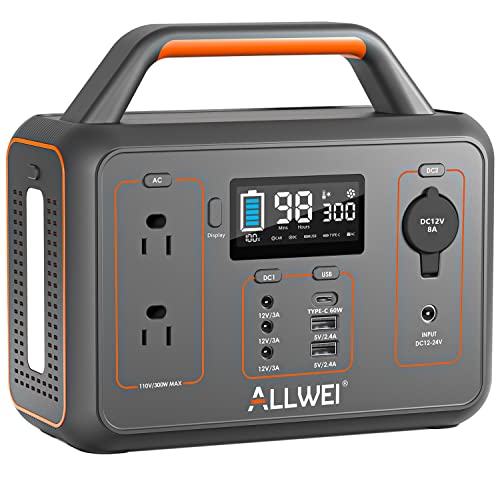
When preparing for extended blackouts, utilizing backup power solutions is critical for survival and maintaining essential functions. Investing in portable power stations is a smart choice, as they provide cleaner and quieter energy for crucial devices.
Pairing these stations with solar panels can ensure a sustainable power source, allowing you to recharge equipment even during prolonged outages.
Assess your household’s power needs thoroughly to ensure you have sufficient capacity, particularly if you rely on medical equipment. Always keep a fully charged power bank on hand for reliable mobile device charging, which is vital for communication in emergencies.
Regular maintenance and testing of your backup systems are essential to prevent failures when you need them most. Additionally, ensure proper ventilation to mitigate the risks of carbon monoxide buildup if using generators.
Being well-prepared with these backup power solutions can significantly enhance your resilience during challenging times.
Keep Communication Tools Handy
Having reliable communication tools is just as critical as securing backup power solutions in your preparedness plan. Prior to any potential power outage, ensure that mobile phones are fully charged; they’re essential for maintaining contact and accessing vital information.
Invest in a portable power bank to recharge your devices, ensuring you remain connected even when the grid goes down. Additionally, consider acquiring hand-powered or solar-powered radios to receive weather alerts and emergency updates without relying on conventional power sources.
Regularly inspect and maintain battery backup systems for essential medical devices, ensuring they remain operational in times of crisis. Signing up for notifications from local utility providers can also keep you informed with timely updates about outages and restoration efforts, which is crucial for effective preparedness.
Keeping Warm and Comfortable
As temperatures drop during extended blackouts, prioritizing warmth and comfort is crucial for survival. Gather essential supplies such as blankets, sleeping bags, and warm clothing to create layers for optimal insulation.
Seal off unused rooms and block drafts to retain heat in your living space effectively. Prepare in advance by filling hot water bottles and storing boiling water in thermos flasks for both warmth and hydration.
Seal off unused rooms and block drafts to keep your space warm. Prepare hot water bottles and thermoses for hydration and comfort.
Utilize battery-operated heaters in well-ventilated areas to minimize the risk of carbon monoxide poisoning. Encourage family members to gather in one room to conserve body heat, fostering a sense of community and security during those cold, power-free days.
Staying warm isn’t just about comfort; it’s vital for safety and survival in challenging conditions.
Community Support and Check-Ins
When preparing for extended blackouts, community support becomes an invaluable resource for survival.
Establish a robust communication plan with family and neighbors to ensure regular check-ins and updates, especially during emergencies. Organize a system for neighbors to visit each other, prioritizing assistance for vulnerable community members such as the elderly or disabled.
Leverage local social media groups to disseminate information on power restoration, safety protocols, and available resources. Collaborate with local organizations to coordinate meal distributions and wellness checks.
Consider forming a neighborhood survival group or watch to enhance preparedness and resilience by sharing resources, emergency plans, and survival strategies, ensuring that everyone is equipped to handle challenging situations effectively.
Post-Power Restoration Actions
Once the power’s back on, it’s essential to take immediate and careful steps to ensure your home and belongings are safe. Begin by checking the temperature of your refrigerator; any food that has been above 40°F for more than two hours should be discarded to prevent foodborne illnesses. Gradually reconnect your appliances to avoid overwhelming the electrical system and causing power surges. Don’t forget to reset all clocks and programmable devices to maintain your daily routine. Inspect your home for any signs of damage from power surges, such as tripped breakers, and promptly report any issues to your utility provider. Finally, restock your emergency kit with fresh supplies, including batteries and non-perishable food, so that you are well-prepared for any future outages.
| Action | Details | Importance |
|---|---|---|
| Check refrigerator temp | Discard food above 40°F for 2+ hours | Prevent foodborne illnesses |
| Gradually plug in devices | Avoid overwhelming the electrical system | Prevent further outages |
| Reset clocks and timers | Ensure all devices function correctly | Maintain daily routine |
| Inspect for damage | Look for tripped breakers and malfunctions | Identify issues promptly |
| Restock emergency kit | Include fresh batteries and non-perishable food | Be prepared for future outages |