To effectively plan for your medical device power needs in a survival situation, begin by assessing the wattage requirements of each essential device. Next, calculate the total wattage needed for your backup power solutions. Consider investing in robust medical-grade Uninterruptible Power Supplies (UPS) for immediate power needs and whole-home generators for prolonged outages. It’s crucial to regularly test these systems to ensure they are fully operational when you need them most. Additionally, maintain an emergency contact network for healthcare support and stay updated on local conditions that could impact your preparations. For those looking to enhance their readiness further, there are many additional strategies and resources to explore.
Key Takeaways
- Evaluate the power consumption of each medical device by consulting user manuals or manufacturer specifications to understand their energy needs.
- Calculate the total wattage requirements for backup systems to ensure all essential devices can function during power outages and emergencies.
- Invest in medical-grade UPS systems or portable power stations that can provide immediate backup power when the grid goes down.
- Conduct regular tests and maintenance of backup systems every 3 to 6 months to guarantee they are operational and ready for use in a crisis.
- Establish an emergency contact network, including healthcare providers and pharmacies, to ensure you have support and resources available during power interruptions.
Assessing Your Medical Device Power Requirements
When preparing for potential emergencies, it’s essential to evaluate the power requirements of your medical devices. Understanding the specific wattage needs of each device in your inventory is vital for ensuring you have adequate backup power during unforeseen situations.
Start by assessing the power consumption of your medical equipment by consulting user manuals or manufacturer specifications. Power needs can vary significantly—ranging from 30 watts for devices like CPAP machines to over 600 watts for larger units such as oxygen concentrators.
Assessing the power consumption of medical equipment is crucial; needs can range from 30 to over 600 watts.
Keep a precise inventory of all electricity-dependent medical equipment, noting their power requirements along with any supplementary devices you may have. Calculate the total wattage necessary for your backup systems, ensuring that your chosen power solution can exceed this total for reliable operation.
It’s also important to regularly review and update your power requirements to accommodate any changes in your medical equipment or usage patterns, ensuring you’re always prepared for whatever comes your way.
Establishing Backup Power Solutions
To ensure the continuous operation of your essential equipment during emergencies, begin by assessing the total power needs of each device that requires backup support.
Next, investigate robust backup solutions such as medical-grade UPS systems or comprehensive home backup systems that provide immediate power during outages.
Additionally, establish safety protocols by routinely testing and maintaining these systems to ensure they’re primed and ready for any unforeseen circumstances.
Being prepared is key to survival in any situation.
Assess Power Requirements
As you prepare for potential emergencies, it’s essential to assess the power requirements for your medical devices to ensure you can maintain their operation during outages.
Here are some important steps to consider:
- Calculate the wattage for each device, such as oxygen concentrators (300-600 watts) and CPAP machines (30-90 watts), to understand your total power needs.
- Investigate medical-grade Uninterruptible Power Supplies (UPS) that provide immediate backup power during outages.
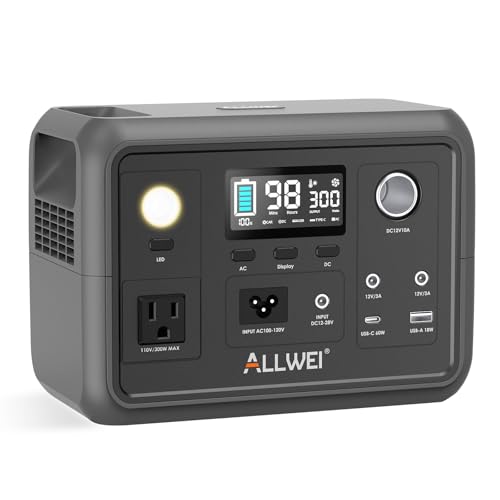
- Look into portable power stations that can be recharged with solar panels or standard outlets, offering flexibility and mobility for various situations.
- For extended outages, consider whole-home backup generators that can keep critical devices operational over the long term.
Regularly test and maintain your backup power solutions to ensure they’re reliable when you need them most.
Preparedness is key in any survival situation, so take the time to plan and equip yourself effectively.
Explore Backup Options
When preparing for power outages, especially in the context of survivalism, it’s essential to explore various backup power options that meet your specific needs.
Investing in a medical-grade Uninterruptible Power Supply (UPS) system can be a wise choice, as it provides reliable power for essential medical devices for periods ranging from 30 minutes to 4 hours.
Additionally, a portable generator offers valuable mobility and can be recharged using solar panels, ensuring you can keep critical equipment operational for extended durations.
Whole-home backup systems are another excellent option, automatically activating during outages to maintain continuous power for vital devices.
To ensure your backup power systems are ready when needed, conduct regular tests every 3 to 6 months to verify peak performance.
Don’t forget to calculate the total wattage required to safely operate all essential devices, reinforcing your preparedness for any emergency.
Implement Safety Measures
Implementing safety measures for backup power solutions is essential for survival preparedness, particularly for ensuring the functionality of critical medical devices during power outages.
To ensure your medical equipment remains operational when it matters most, consider these important steps:
- Invest in a medical-grade Uninterruptible Power Supply (UPS) to provide instant power backup in emergencies.
- Utilize portable power stations that can recharge through various sources, including solar energy, for greater flexibility.
- Consider installing whole-home backup systems that can automatically activate selected circuits to keep essential devices running.
- Regularly test and maintain your backup systems to ensure they’re always ready for any unforeseen situations.
Creating an Emergency Contact Network
How can you ensure rapid access to vital medical support during power outages?
Begin by creating a comprehensive list of emergency contacts, including healthcare providers, suppliers, and pharmacies. Be sure to obtain after-hours numbers for urgent situations.
Develop a family communication plan that leverages texts or emergency radios for real-time updates.
Implement a reliable medical alert system that remains operational during outages for immediate assistance.
Forge connections with neighbors to exchange contact information and spare keys, fostering a network of mutual support.
Lastly, scout out local community resources such as hospitals and Red Cross shelters that provide charging stations for medical equipment during extended outages, ensuring you’re thoroughly prepared for any emergency situation.
Preparing an Emergency Kit for Outages
When preparing for potential power outages, assembling a well-organized emergency kit is crucial to ensure that you can survive independently and meet all your essential needs.
Here’s what to include in your survival kit:
- Charged backup batteries for all essential medical devices to keep them operational.
- Power banks for phones, allowing you to maintain communication with loved ones and emergency services.
- Manuals for your medical equipment, providing quick reference during emergencies when you need to act fast.
- Nonperishable food and water, along with a reliable flashlight and extra blankets, to support your basic survival needs.
Make it a habit to regularly review and update your emergency kit to reflect any changes in your medical equipment or medications.
This ensures that you’re always prepared for unexpected power outages and can remain self-sufficient in any situation.
Testing and Updating Your Outage Plan
While preparing for potential power outages is crucial for survivalists and preppers, testing and updating your outage plan ensures that you’re not only equipped but also efficient in your response.
Schedule quarterly simulations to assess the functionality of your essential survival equipment under realistic conditions. Connect all devices during testing to verify your backup power system can handle the necessary loads, ensuring you’re prepared for any scenario.
Conduct regular drills to familiarize your household with manual backup methods and document the duration of critical tasks to identify bottlenecks in your response.
Regularly review and update your emergency response plan to reflect changes in equipment, supplies, and contact information, ensuring your approach remains effective and relevant in maintaining your self-sufficiency during outages.
Staying Informed During Power Outages
Staying informed during power outages is crucial for effectively managing your medical device power needs and ensuring your preparedness in any survival situation. Here are some strategies to help you stay updated:
Staying informed during power outages is essential for managing medical device needs and ensuring preparedness for survival situations.
- Monitor local news and weather apps for real-time updates on severe weather forecasts that could impact your area and your survival plans.
- Follow the Louisiana Department of Health on social media for alerts related to public health, outages, and any emergency preparedness resources available.
- Utilize Dominion Power’s outage map for updates on restoration estimates every 4-6 hours, allowing you to make informed decisions about your power needs.
- Establish a communication plan with family and neighbors to share updates, exchange resources, and support each other during outages, reinforcing community resilience in challenging times.