To prepare for mobility challenges in a survival situation, start by evaluating your living environment for potential hazards such as loose rugs, poor lighting, or obstacles that could impede movement. Consult with healthcare professionals for personalized assessments and develop a customized mobility strategy that suits your needs. Incorporate regular physical training into your routine, emphasizing strength and balance exercises to enhance mobility and resilience. Additionally, connect with local community resources that can provide transportation options and support. These strategies not only improve safety but also empower you to maintain independence and enhance your overall quality of life in the face of challenges. Stay tuned for more survival tips that can help you navigate mobility issues effectively.
Key Takeaways
- Conduct a comprehensive assessment of your home and surrounding areas to identify and eliminate hazards that could impede mobility during emergencies, such as loose rugs, poor lighting, and blocked pathways.
- Install assistive devices like grab bars, ramps, and stairlifts to enhance safety and accessibility, ensuring you can navigate your home effectively in any situation.
- Engage healthcare professionals for personalized evaluations and collaborate with physical and occupational therapists to develop a tailored mobility plan that includes strategies for emergency scenarios.
- Incorporate regular physical activity, focusing on strength and balance exercises, to maintain mobility and independence, which are crucial during survival situations.
- Connect with community resources for transportation assistance, workshops on emergency preparedness, and advocacy groups that address mobility challenges to enhance your overall preparedness.
Understanding the Importance of Mobility for Seniors
When you consider the daily lives of seniors, it’s important to recognize that mobility isn’t just about getting from one place to another; it’s a fundamental aspect of independence and quality of life.
For older adults, staying active through physical activity allows for socialization and engagement in hobbies, which is vital for mental well-being. However, mobility challenges often arise from health issues like arthritis and balance problems, increasing the risk of falls.
To enhance their ability to thrive in any situation, prioritizing home safety and utilizing assistive devices can greatly improve accessibility.
Additionally, community centers can serve as vital hubs for fostering social connections, which are crucial for combating feelings of isolation and encouraging a sense of preparedness, ultimately promoting overall health and resilience in seniors.
Identifying Home Hazards and Necessary Modifications
To ensure a safe living environment for seniors facing mobility challenges, particularly in the context of survivalism and prepping, it’s crucial to identify and address potential home hazards.
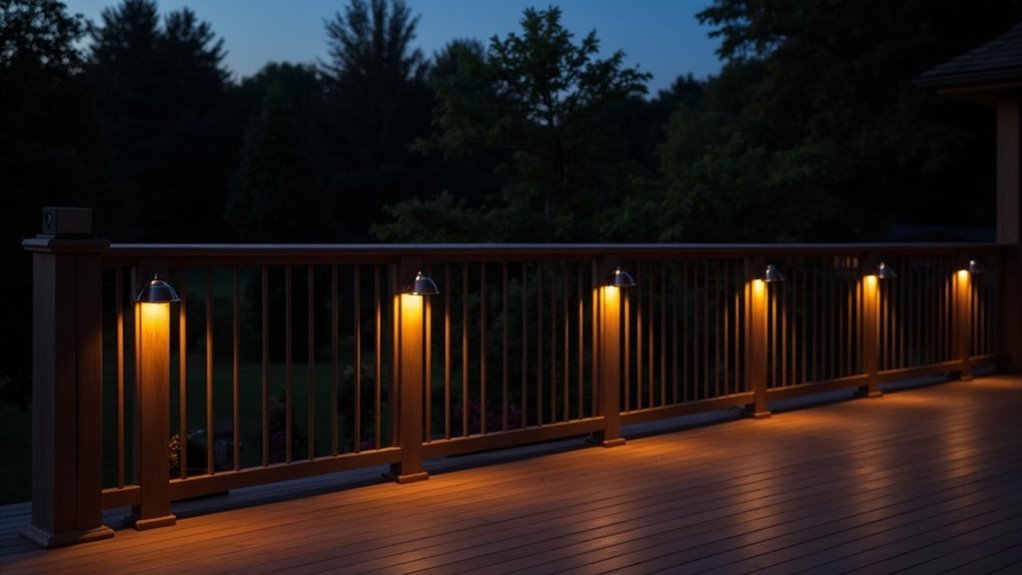
Conduct a thorough assessment of your home to spot hazards like loose rugs, inadequate lighting, and cluttered pathways that can increase fall risks, especially in emergency situations. Necessary modifications such as installing grab bars in bathrooms and stairways can significantly enhance safety.
Assess your home for hazards like loose rugs and poor lighting to reduce fall risks and enhance safety for seniors.
Consider adding non-slip mats to reduce slipping in wet areas, which is vital during emergencies when quick movements may be required. Widen doorways and install ramps or stairlifts for improved accessibility with wheelchairs or walkers, ensuring that seniors can navigate their environment effortlessly.
Additionally, regularly review these changes to adapt to evolving mobility needs, thereby ensuring a safer and more prepared home for older adults with reduced mobility in any situation.
Engaging Healthcare Professionals for Personalized Evaluations
Identifying and modifying home hazards is crucial for ensuring safety, especially for seniors who wish to maintain their independence in a survivalist context.
However, ongoing support from healthcare professionals can significantly enhance mobility and overall preparedness. Engaging healthcare professionals provides personalized evaluations to effectively address mobility challenges.
Consider these steps:
- Schedule regular assessments with healthcare providers to detect underlying issues that may impact mobility, such as muscle weakness or balance disorders. This proactive approach can help in developing strategies for maintaining physical readiness in various situations.
- Collaborate with physical and occupational therapists to create customized mobility plans that incorporate assistive devices and techniques suited to individual needs, ensuring that seniors can navigate their environments safely and efficiently.
- Utilize community health services for additional support, integrating them into your overall preparedness strategy. This ensures a comprehensive approach to maintaining independence, enhancing physical capabilities, and improving quality of life amidst evolving challenges.
Incorporating Physical Activity for Maintaining Mobility
Incorporating physical activity into your daily routine is essential for maintaining mobility, especially in the context of survivalism and prepping. Regular exercise, such as walking, strength training, and balance exercises like tai chi, is crucial for improving muscle strength and coordination, enabling you to navigate various terrains and situations effectively.
This proactive approach not only enhances mobility but also reduces the risk of falls, which is vital for ensuring your safety and independence in emergency scenarios.
The CDC recommends at least 150 minutes of moderate-intensity aerobic activity weekly, along with muscle-strengthening activities twice a week. These exercises can be adapted to include practical movements that mimic tasks you might face in survival situations, such as lifting heavy objects or maintaining balance while traversing uneven ground.
Simple home exercises, like leg lifts and toe raises, can also be effective in preparing your body for daily activities and unexpected challenges.
Connecting With Community Resources for Support and Engagement
How can you tap into community resources to enhance your preparedness and self-sufficiency? Connecting with local organizations can greatly improve your ability to respond to emergencies and unforeseen events. Consider these options:
- Transportation Assistance: Look for programs that offer rides to workshops or training sessions, helping you stay informed and equipped for survival situations.
- Survival Skills Workshops: Join local classes or meetup groups focused on skills like first aid, food preservation, or self-defense to foster connections and build confidence.
- Advocacy Groups: Seek help from local organizations dedicated to emergency preparedness to navigate available resources and access experts for assessments on your readiness.
Utilizing these community resources can empower you to engage actively in your preparedness journey and enhance your overall resilience.