To practice communication drills effectively in the context of survivalism and prepping, start with engaging activities like the Blindfold Navigation Game or the Survival Pairs Activity. These exercises not only foster teamwork but also enhance your ability to convey crucial information clearly under pressure, which is vital in emergency scenarios. Incorporate situational drills that simulate real-life challenges, such as coordinating a bug-out plan or executing a group survival exercise, while focusing on active listening and non-verbal cues. Don’t forget to seek constructive feedback from your team to uncover areas for improvement. Embrace this journey, and you’ll discover even more strategies to enhance your communication skills essential for surviving and thriving in uncertain situations.
Key Takeaways
- Organize regular communication drills, such as the Blindfold Navigation Game, to practice clear verbal instructions in high-stress survival scenarios.
- Incorporate situational drills that replicate real-life survival challenges to enhance coordination and effectiveness among team members in emergency situations.
- Use role-playing exercises to practice assertive communication and improve responses during crises or unexpected events.
- Implement the “sandwich” method for giving and receiving constructive feedback, fostering growth and resilience within your survival group.
- Engage in mindfulness techniques and reflection to enhance active listening and self-awareness, which are essential for effective communication in survival contexts.
Importance of Communication Drills
When you prioritize communication drills within a survivalist or prepping context, you lay the groundwork for exceptional group performance in critical situations.
These drills enhance teamwork by ensuring that everyone understands their roles and responsibilities, improving coordination during emergencies. Regular practice of communication tools sharpens participants’ ability to convey vital information clearly, empowering them to express tactical adjustments effectively during crises.
Effective communication drills foster teamwork, clarify roles, and enhance coordination during emergencies, empowering participants to convey crucial information clearly.
This culture of openness fosters confidence, especially among novice preppers, encouraging active listening and engagement. Empirical studies indicate that strong communication skills significantly reduce misunderstandings and conflicts, ultimately creating a cohesive unit ready to face challenges.
Incorporating enjoyable, interactive drills keeps participants engaged while reinforcing essential communication techniques, ultimately enhancing your group’s overall preparedness and effectiveness in survival scenarios.
Engaging Activities for Effective Communication
To enhance your group’s communication skills in a survivalism and prepping context, incorporating engaging activities is essential.
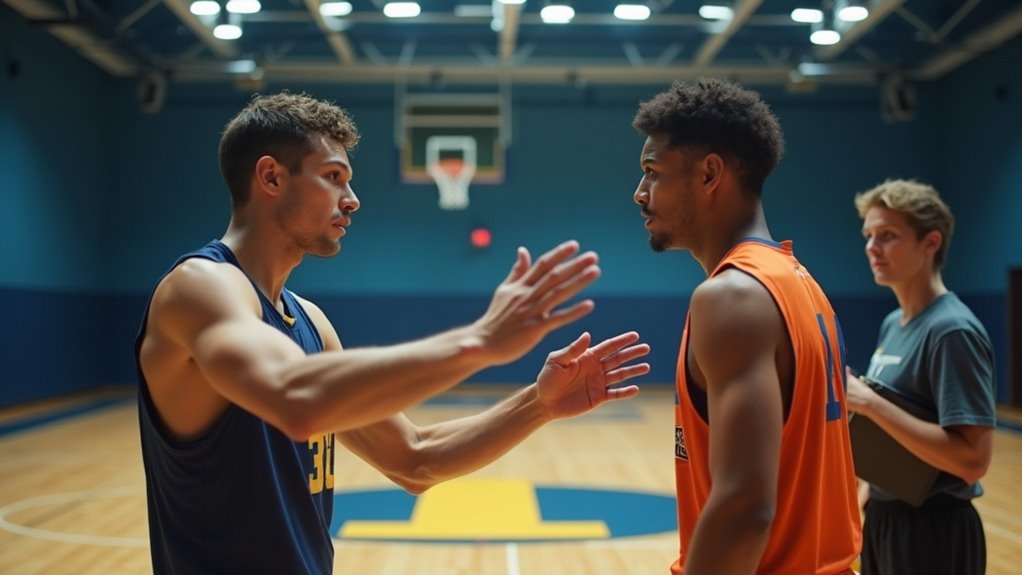
Consider the “Blindfold Navigation Game,” where clear verbal instructions guide team members through an obstacle course, fostering trust and effective communication under pressure.
The “Survival Pairs Activity” encourages dialogue, enhancing conversational skills by having participants discuss survival strategies and share knowledge.
Try the “Emotion in Crisis Activity,” using emoji sheets to help participants articulate their feelings during high-stress scenarios, improving clarity in communication.
Role-playing emergency situations allows individuals to practice assertive communication, empowering them to express their needs and make decisions swiftly.
Finally, activities like the “Silent Signal Game,” where non-verbal cues are used to convey messages, promote vocal communication and build confidence in expressing ideas.
These survival-focused communication activities not only engage participants but also sharpen their ability to listen actively and interpret nonverbal signals, crucial for effective collaboration in critical situations.
Situational Drills Under Pressure
Situational drills under pressure are crucial for enhancing your team’s communication skills in survival scenarios. These drills simulate real-life challenges, pushing participants to communicate effectively while under stress.
Incorporate communication exercises and activities with time constraints to encourage clear and concise exchanges, such as coordinating resource management or strategizing evacuation plans. Practicing in high-pressure conditions reveals both individual and team weaknesses, allowing for focused improvement.
Emphasize the importance of actively listening and interpreting nonverbal cues to strengthen understanding. Research suggests that groups engaged in these drills experience better coordination and effectiveness in survival situations.
Embrace the pressure; it’s where essential communication skills are forged!
Utilizing Games for Vocal Presence
To enhance your vocal presence, consider using engaging vocal warm-up exercises that prepare you for effective communication in survival situations.
Incorporating improvisational speaking games and role-playing scenarios, such as mock emergency drills or survival strategy discussions, won’t only sharpen your communication skills but also make practice more enjoyable.
Let’s transform your training into a dynamic environment where your voice can confidently convey critical information and strategies for survival!
Engaging Vocal Warm-Up Exercises
While you may focus on physical skills during practice, engaging vocal warm-up exercises are essential for enhancing your team’s communication in survival situations.
Try incorporating games like the “Survivor’s Call” drill to create a fun atmosphere, encouraging participants to vocalize their strategies and boost their communication style.
The “Observation Challenge” drill promotes quick thinking and awareness of the environment, while a 30-second decision-making challenge helps articulate thoughts under pressure.
Regularly practicing these vocal warm-up exercises builds confidence and fosters open communication, essential for effective teamwork in survival scenarios.
Improvisational Speaking Games
Building on the foundational principles of survivalism and prepping, improvisational speaking games can enhance your communication skills in critical situations.
These activities, inspired by quick-thinking scenarios, encourage you to react swiftly and effectively, boosting your confidence and adaptability. As you practice projecting your voice and engaging with your group, you’ll significantly improve your verbal communication skills, which are essential in emergency situations.
Incorporating elements of storytelling allows you to clearly convey vital information and connect with others on a deeper level, which is crucial for teamwork during a crisis. Regularly participating in these games will increase your comfort with public speaking, ultimately enhancing your effectiveness in communicating survival strategies and preparedness plans across various scenarios.
Embrace the challenge—your skills will thrive!
Role-Playing Scenarios
Engaging in role-playing scenarios within the context of survivalism and prepping offers you a unique opportunity to sharpen your communication skills while preparing for real-world challenges.
Through these simulations, you’ll practice articulating your thoughts about emergency plans and resource management while adapting your style to various survival situations. These exercises can mimic high-pressure scenarios you might face during a crisis, helping you learn to communicate concisely and clearly under stress.
Additionally, role-playing enhances your active listening skills; you’ll need to pay attention to your partner’s cues and respond appropriately, especially when making critical decisions.
Constructive Feedback in Communication Practice
Constructive feedback is your secret weapon for honing survival skills and prepping strategies.
By actively seeking insights from fellow survivalists, you’ll uncover strengths in your techniques and identify areas for improvement.
Embrace this process, and watch your confidence and effectiveness in survival situations soar!
Importance of Constructive Critique
While many individuals might hesitate to seek feedback, embracing constructive critique is crucial for enhancing survival skills and preparedness. This process not only boosts your emotional resilience but also nurtures a proactive mindset.
Here’s why constructive feedback is vital in the context of survivalism:
- It offers specific, actionable insights to identify areas for improvement in your survival tactics.
- Regular critique increases self-awareness and confidence in your abilities to handle emergencies.
- Structured methods, like the “sandwich” technique, make receiving feedback on your prepping strategies more manageable.
Effective Communication Techniques
Effective communication is crucial in any survival scenario, as it can significantly influence the outcome of your efforts. Mastering effective communication skills involves both giving and receiving constructive feedback, which is vital for teamwork and coordination in prepping situations. Utilize the “sandwich” method to ensure that your feedback remains supportive and constructive.
| Positive Feedback | Constructive Feedback |
|---|---|
| Start with a compliment about preparedness | Focus on behaviors, not personal traits |
| Recognize improvements in skills or resource management | Suggest specific changes for better efficiency |
| Encourage open dialogue about strategies | Ask for others’ perspectives to enhance collaboration |
| Reaffirm the value of each team member’s contributions | Highlight areas for growth in survival skills |
| Conclude with praise for efforts made | Reinforce the importance of continuous improvement |
Regularly practice active listening and solicit feedback to enhance your communication effectiveness within your survival group. Strong communication can be the key to navigating challenges and ensuring successful outcomes in any prepping scenario.
Building Confidence Through Supportive Environments
Creating a supportive environment is essential for boosting confidence among survivalists and preppers, as it allows them to express their thoughts and experiences without fear of judgment.
To foster this atmosphere, focus on these key strategies:
- Use positive reinforcement to celebrate knowledge-sharing successes, no matter how small.
- Engage in group activities that promote trust and collaboration, such as joint survival drills or resource-sharing exercises.
- Set clear communication goals during training sessions to help participants vocalize their strategies and concerns effectively.
Tips for Continuous Improvement in Communication Skills
Building confidence in a supportive environment is essential for enhancing your communication skills, especially in the context of survivalism and prepping. To foster your growth, regularly seek feedback from fellow preppers and mentors about your communication style. Their insights can help identify areas that need improvement.
Practice active listening by fully concentrating on the speaker, as this enhances understanding and leads to better, more effective responses when discussing critical topics like emergency plans or resource sharing. Engage in role-playing exercises to simulate real-life survival scenarios, which will build your confidence and adaptability in high-pressure situations.
Active listening and role-playing enhance your communication skills, boosting confidence in critical survival discussions.
Reflect on past interactions with your prepping community to understand what strategies were effective and what could be improved. Finally, incorporate mindfulness techniques to stay present in conversations, which will boost your clarity and emotional intelligence when discussing crucial survival strategies.
Continuous improvement in your communication skills is vital for successful collaboration and preparedness!