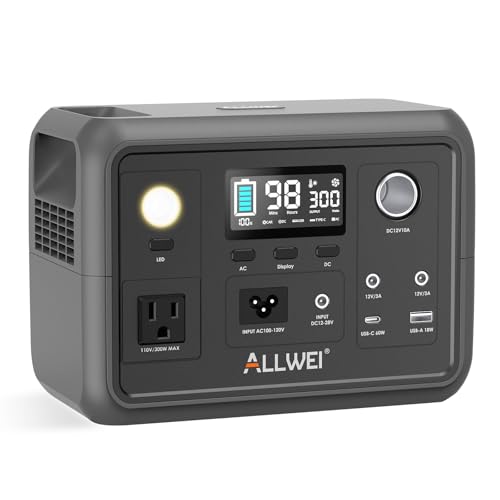
To effectively manage power draw during outages, it’s crucial to optimize your system configurations for survival situations. Start by activating power-saving modes on your devices and lowering display brightness to conserve energy. Disable unnecessary background processes and automate the halting of updates to prevent power wastage. Consider investing in energy-efficient hardware which can significantly reduce your overall consumption during critical times. Implement network boot options to ensure that essential systems remain operational with minimal energy use. Prioritize your critical resources by limiting device usage and unplugging non-essential devices to maximize battery life. By following these strategies, you can enhance your preparedness and ensure you maintain energy efficiency when it matters most. There’s always more to learn in the world of survivalism.
Key Takeaways
- Identify and prioritize essential devices critical for survival, focusing on food storage and medical equipment to ensure they remain functional during outages.
- Unplug non-essential devices and utilize energy-efficient lighting to minimize overall power consumption, which is vital in a survival situation.
- Use smart power strips to eliminate phantom power loss from devices in standby mode, maximizing your energy efficiency when resources are limited.
- Implement energy-saving settings on your equipment, such as reducing display brightness and turning off unnecessary peripherals, to conserve power.
- Regularly monitor and disconnect any unused network devices, as this can significantly reduce power draw during outages, ensuring that your essential systems remain operational.
Optimize System Configurations
To effectively reduce power draw during outages, it’s crucial to optimize your system configurations for survival situations.
Start by utilizing power-saving modes in your operating system, which will help you minimize energy consumption while maintaining essential functions.
Adjust hardware settings, such as lowering display brightness and turning off non-essential peripherals, to further decrease power usage.
Implement disk caching adjustments to ensure data writes are efficient, which conserves energy during read/write operations.
Additionally, regularly monitor your network traffic and disconnect unused devices to lower overall power draw.
Disable Unnecessary Background Processes
While you mightn’t realize it, unnecessary background processes can considerably drain your system’s resources, especially during a power outage when every watt counts.
To enhance your energy management and ensure you’re prepared, follow these survival-oriented steps:
- Access Task Manager to pinpoint and disable unnecessary background processes that may be consuming power.
- Modify system settings to halt automatic updates and scheduled tasks during outages, preventing unexpected resource usage.
- Conduct regular reviews of startup programs, disabling those that aren’t essential to minimize initial power draw when you boot up your system.
- Explore lightweight application alternatives that can help decrease overall resource consumption, allowing your systems to run more efficiently when it matters most.
Utilize Energy-Efficient Hardware
Investing in energy-efficient hardware is crucial for survivalists looking to minimize power draw during outages, especially when every bit of energy counts.
By selecting energy-efficient appliances, such as LED lighting and Energy Star-rated devices, you can significantly reduce power consumption by up to 75%, which is vital during emergencies.
Additionally, replacing older electronics with energy-efficient models can decrease energy use by as much as 50%, ensuring that your power reserves last longer.
Utilizing smart power strips is another effective strategy, as they help eliminate phantom power loss by shutting off devices that remain in standby mode.
Implementing energy-efficient heating and cooling systems not only maintains comfort but also lowers energy demand, making your setup more sustainable.
These strategies collectively bolster your power conservation efforts during critical survival situations.
Implement Network Boot Options
Implementing network boot options can significantly bolster your preparedness strategy during emergencies. By utilizing methods like PXE, you can minimize power consumption while ensuring your systems remain operational.
Consider these advantages:
- Devices can be powered down yet still accessible remotely for necessary updates or information retrieval.
- Centralized recovery processes facilitate quicker restoration of critical systems during a crisis.
- Multiple devices can share resources, reducing the need for extensive local storage and enhancing efficiency.
- Regular testing of these systems ensures they function optimally and remain energy-efficient, crucial in times of need.
These strategies not only enhance energy efficiency but also provide a more streamlined approach to recovery during outages, making your overall survival and system management more robust.
Harness network boot options to reduce excess power consumption and maintain readiness for unexpected situations.
Prioritize Essential Resources During Recovery
When power outages strike, it’s crucial for survivalists to prioritize essential resources to ensure safety and functionality.
Begin by identifying critical appliances, such as refrigerators for food storage and medical equipment that must remain operational during power failures. Limit the use of non-essential devices to extend the life of your available energy reserves.
Implement energy-efficient practices, including unplugging unused devices and utilizing LED lighting to conserve power. Consider investing in a battery back-up or portable generator specifically for high-priority equipment to maintain functionality without overloading your supply.
Regularly assess your power consumption and adjust as needed to ensure you’re relying solely on the most important resources, which is vital for maintaining safety and preparedness during recovery.