To set up long-term storage for your survival supplies, begin by selecting a secure unit that can withstand various environmental conditions. Consider climate-controlled options for sensitive items like food and medical supplies. Use moisture-resistant bins for packing to protect against humidity and pests, and label everything clearly for quick access during emergencies. Create a comprehensive inventory list detailing what you have, including descriptions and expiration dates of perishable supplies. Regularly inspect your items to ensure they remain in good condition and update your inventory as needed. This proactive approach will keep you organized and prepared for any situation. Explore more strategies to optimize your storage for survival readiness!
Key Takeaways
- Choose a secure facility with features like gated access, surveillance cameras, and on-site management to ensure the optimal safety of your survival supplies and gear.
- Select climate-controlled units for sensitive items, such as food supplies and medical equipment, to protect them from temperature fluctuations, humidity, and pests.
- Utilize moisture-resistant bins for long-term storage and clearly label all items to keep your supplies organized, ensuring quick access and identification during emergencies.
- Create a comprehensive inventory list that documents item descriptions, conditions, expiration dates, and usage plans for efficient management and retrieval during critical situations.
- Conduct regular maintenance checks and updates on your inventory to guarantee that your survival supplies remain in good condition, are properly rotated, and are ready for any potential crisis.
Understanding Long-Term Self Storage
When you’re preparing for long-term self storage of your survival gear and supplies, understanding the nuances of this process is crucial to keeping your items safe and secure.
Long-term storage is ideal for those who are relocating, downsizing, or simply need a place to store seasonal or surplus preparedness items. Take advantage of flexible month-to-month leases that allow you to adjust your storage needs without incurring penalties.
Proper preparation and strategic packing are essential to prevent damage from temperature fluctuations, moisture buildup, and pest infestations that could compromise your supplies.
For sensitive items such as food supplies, electronics, and wooden gear, consider utilizing climate-controlled units to maintain optimal conditions.
Additionally, schedule regular maintenance checks every few months to identify potential issues, ensuring your survival items remain in good condition throughout their stay.
Being proactive about your storage will ensure you’re always ready for any situation that may arise.
Benefits of Using Storage Units
Using storage units can significantly enhance your preparedness strategy by providing a secure location for essential survival supplies.
With features like gated access and surveillance cameras, these facilities offer peace of mind that your gear is protected from theft or damage.
Additionally, they present a cost-effective solution for storing rarely used but critical items, allowing you to keep your living space organized while ensuring your survival essentials are readily available when needed.
This strategic use of storage units can help you maintain a well-prepared and efficient home for any situation.
Enhanced Security Features
In today’s world, enhanced security features in storage units are crucial for survivalists and preppers who require extra protection for their essential supplies and gear.
When selecting a storage facility, consider the following features:
- Gated access with personalized entry codes to control who can access your supplies
- 24/7 surveillance cameras to deter theft and monitor activity
- On-site management and security personnel for constant vigilance
- Individual alarms to provide immediate alerts in case of a security breach
Climate-controlled storage often includes these security measures, ensuring that critical items remain safe from environmental damage.
Furthermore, having insurance coverage for your stored supplies offers additional peace of mind against potential loss or damage, solidifying your preparedness strategy.
Cost-Effective Space Solutions
As many individuals prepare for potential emergencies, the importance of organized storage can’t be overstated.
Storage units provide a practical solution for those looking to maintain an efficient and well-prepared living space. These cost-effective long-term storage solutions can greatly enhance your readiness by offering a dedicated area for essential supplies, tools, and gear that you may not use regularly.
Flexible month-to-month leases allow you to adapt your storage needs as your preparedness plans evolve, without facing penalties. Opting for climate-controlled storage ensures your valuable supplies, such as food and electronics, are protected from environmental damage.
Keep an eye out for competitive rates and online promotions to maximize your budget. Additionally, consider sharing a storage space with fellow preppers to further reduce costs while enhancing your organization and readiness efforts.
Choosing the Right Storage Unit Type
Choosing the right storage unit type is essential for protecting your survival supplies and prepping gear effectively.
Consider the specific needs of your items and how often you’ll need to access them in emergencies.
- Climate control: Ideal for sensitive items like food supplies, electronics, and medical supplies that require stable temperatures.
- Durable items: Standard units are suitable for long-lasting gear such as metal tools, camping equipment, and non-perishable food.
- Indoor units: Offer enhanced security features, protecting your valuables from theft and environmental hazards.
- Accessible units: Drive-up options allow for quick loading and unloading, crucial when you need to grab supplies in a hurry.
Packing and Organizing Your Belongings
To ensure your survival gear and supplies remain safe and organized during long-term storage, it’s essential to pack them with care.
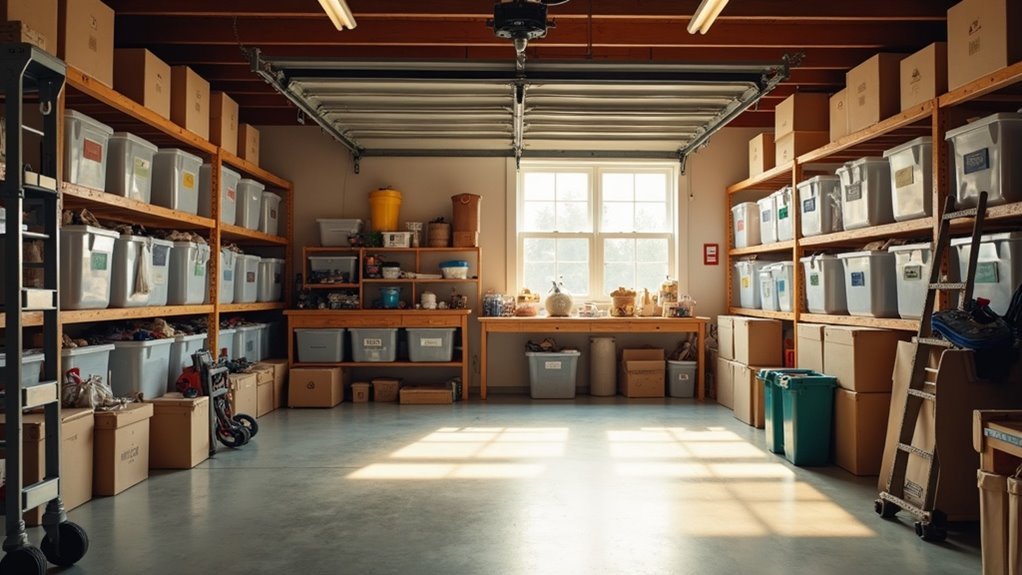
Use high-quality, moisture-resistant plastic bins to safeguard against humidity and pests, which can compromise your preparedness. Disassemble larger equipment, wrapping each piece securely and keeping components organized for easy access when needed.
Create a detailed inventory list, noting descriptions and values to facilitate quick retrieval and insurance claims in case of emergencies.
Maintain airflow by leaving gaps between boxes and avoiding excessive stacking, which can lead to damage.
Lastly, employ clear labeling on all containers to improve organization, allowing for rapid identification of essential items in your storage unit when time is of the essence.
Maintaining Your Storage Unit
To ensure your storage unit remains a reliable resource for your survival and prepping needs, conduct regular inspections every few months.
Look for signs of moisture, pests, and temperature fluctuations that could jeopardize your supplies. It’s crucial to monitor humidity levels and make necessary adjustments to protect your valuable gear and food supplies.
Additionally, keep your inventory list updated regularly so you have an accurate account of your essential items and can identify anything you may need to remove or replenish.
Staying organized and proactive will help you maintain a well-prepared storage unit for any situation.
Regular Inspections Required
Regular inspections are crucial for ensuring your preparedness and protecting your survival gear. Conduct these checks every few months to identify issues like moisture, pests, and the overall condition of your supplies.
- Look for signs of mold or mildew, especially in climate-controlled storage areas for food and equipment.
- Ensure your organization remains intact by rearranging items for easy access during emergencies.
- Maintain a detailed inventory list, updating it during each inspection for efficient retrieval and resource management.
- Refresh protective coverings on critical items and reapply moisture absorbers to sustain an ideal environment for your stored supplies.
These steps will help prevent long-term damage and ensure your gear remains in optimal shape for any situation.
Monitor Temperature and Humidity
Maintaining the right temperature and humidity in your storage unit is crucial for preserving your survival supplies. Aim for a consistent temperature between 50°F and 80°F to protect against warping and mold growth, which can compromise your gear and food storage.
Keep humidity levels between 30% and 50% to prevent moisture-related issues; using a hygrometer can help you effectively monitor these conditions. If your unit isn’t climate-controlled, consider investing in moisture absorbers or dehumidifiers to combat excess humidity, ensuring your supplies remain in optimal condition.
Regular inspections are vital—be vigilant for signs of temperature extremes or moisture, such as condensation on walls, which can indicate potential problems.
Use insulated containers or breathable wraps to further safeguard your items from fluctuations, ensuring you’re always prepared for any situation.
Update Inventory Periodically
Keeping your survival storage unit in optimal condition involves more than just monitoring temperature and humidity; regularly updating your inventory is crucial for effective preparedness management.
Reviewing your inventory list every few months ensures that you track any changes in stored supplies, making it easier to retrieve essential items when needed. Here are some tips to help you maintain your preparedness inventory:
- Use a spreadsheet or app to log descriptions and condition of your survival supplies, including food, gear, and medical supplies.
- Clearly label storage containers with corresponding inventory numbers to facilitate quick access during an emergency.
- Conduct periodic check-ins to identify expired items, damaged supplies, or those you no longer require.
- Keeping an updated inventory not only provides peace of mind but also enhances your organization, making it easier to manage your survival resources efficiently.
Keeping Track of Your Items
A solid system for tracking your survival and prepping supplies can save you time and frustration when preparing for emergencies.
Start by creating a detailed inventory list of all items, including descriptions, estimated values, and expiration dates, using a spreadsheet or inventory app. Label each container clearly with its contents and a corresponding number that matches your inventory list for quick access.
Create a comprehensive inventory list with descriptions, values, and expiration dates for efficient emergency supply management.
Consider taking photographs of valuable or critical items to document their condition and value. Regularly update your inventory during check-ins to reflect any changes in your supplies.
Use color-coded labels to categorize items based on their priority or how often you need them, making it easier to locate essential supplies quickly when the situation demands it.