To effectively stabilize gasoline for long-term storage, start by ensuring your fuel tank is nearly empty. Next, add one ounce of fuel stabilizer for every gallon of gasoline. Fill the tank to minimize air exposure, which can lead to degradation. It’s crucial to run the engine for at least 10 minutes, ensuring the stabilizer is evenly mixed throughout the fuel. This process helps prevent oxidation and gum formation, allowing your gasoline to remain usable for up to two years. Understanding the best practices and common misconceptions surrounding gasoline storage is essential for any survivalist or prepper looking to maintain their fuel supply effectively.
Key Takeaways
- To ensure your fuel supply remains viable during storage, add a fuel stabilizer at a rate of one ounce per gallon of gasoline. This will help prevent oxidation and gum formation, which can compromise your fuel’s effectiveness in an emergency.
- Fill your fuel tank completely to minimize air exposure. This is crucial in reducing the risk of degradation, ensuring that your fuel remains reliable when you need it most.
- After adding the stabilizer, run the engine for at least 10 minutes. This action ensures that the stabilizer is evenly mixed throughout the fuel system, enhancing the longevity of your gasoline supply.
- Store your gasoline in approved containers, ideally in a cool, well-ventilated area, away from sunlight and heat sources. Proper storage is vital in maintaining fuel integrity during times of uncertainty.
- Regularly inspect your stored gasoline for any signs of degradation. Employ the “First In First Out” method to use older fuel first, ensuring that you always have fresh gasoline on hand for your survival needs.
What Is Fuel Stabilizer?
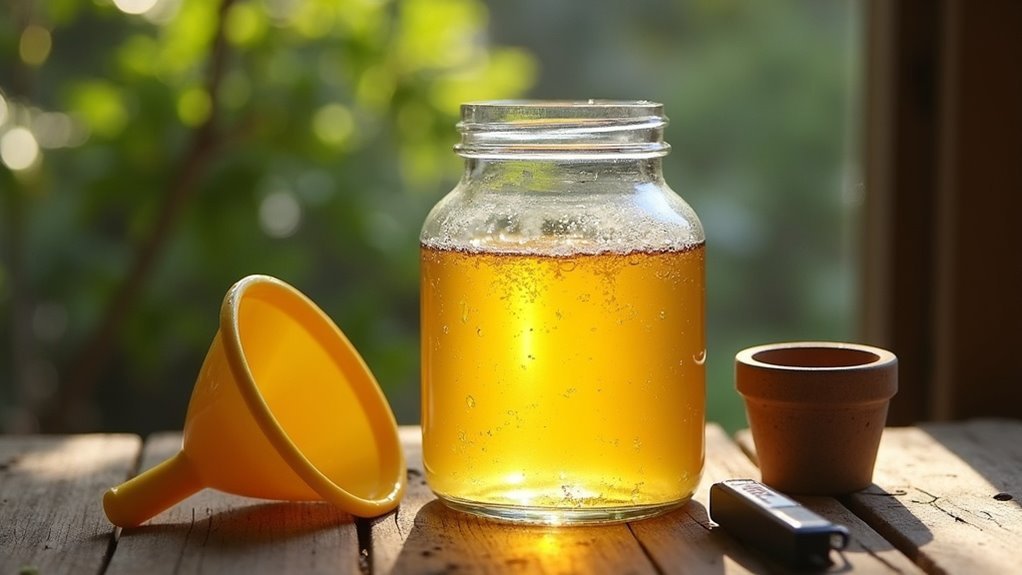
Fuel stabilizer is a crucial chemical additive for those engaged in survivalism and prepping, as it preserves gasoline quality during extended storage.
It effectively prevents oxidation, which can lead to the formation of harmful varnish and gum deposits that could damage your engine when you need it the most. Additionally, fuel stabilizers incorporate corrosion inhibitors to safeguard metal components within your fuel system from rust and deterioration, ensuring your equipment remains ready for use.
When preparing to store gasoline for longer than 30 days, using a fuel stabilizer is essential to ensure your engine can operate smoothly upon restart, especially in critical situations.
For optimal results, add the stabilizer during fueling and run the engine for a few minutes to thoroughly mix it with the fresh fuel, maximizing its protective benefits for your survival gear.
Reasons for Using Fuel Stabilizer
When preparing for extended periods of fuel storage, utilizing a fuel stabilizer is essential to preserve its integrity and functionality. Fuel stabilizers play a crucial role in keeping fuel fresh by inhibiting oxidation and preventing the formation of gum and varnish deposits, which can lead to engine malfunctions. This is particularly important for vehicles and equipment that are not frequently used, as stabilizers can extend the usability of gasoline for up to two years. Even high-octane fuels benefit from stabilization during seasonal storage, ensuring that vital equipment such as generators and outdoor machinery perform efficiently when needed.
| Benefit | Description |
|---|---|
| Prevents Degradation | Stops oxidation and gum formation. |
| Extends Usability | Keeps fuel usable for up to two years. |
| Protects Engines | Reduces risk of engine problems. |
| Essential for All Fuels | Works with both regular and premium gasoline. |
| Best for Seasonal Use | Ideal for equipment stored off-season. |
Step-by-Step Guide to Using Fuel Stabilizer
To effectively use fuel stabilizer as part of your preparedness plan, start by preparing your fuel tank. Ensure it’s nearly empty to eliminate any oxidized fuel that may hinder the stabilizer’s performance, which is crucial in a survival situation.
Measure the recommended amount of fuel stabilizer—typically one ounce per gallon of gasoline. After adding the stabilizer, fill the tank to minimize air exposure, thus reducing oxidation and prolonging fuel freshness.
It’s essential to run the engine for at least 10 minutes to ensure even mixing throughout the fuel system. For optimal results, make it a habit to add fuel stabilizer during refueling, especially if you anticipate storing fuel for over 30 days.
This practice will help prevent degradation from old fuel, ensuring that your fuel supply remains viable when you need it most.
Best Practices for Storing Gasoline
Storing gasoline safely and effectively is crucial for survivalists and preppers, as it can significantly extend its shelf life and usability in emergency situations. Here are several best practices to follow:
Storing gasoline properly is essential for survivalists, ensuring fuel longevity and usability during emergencies.
- Always use metal containers or approved plastic jerry cans to prevent degradation of the fuel.
- Enhance the longevity of fresh gasoline by adding a fuel stabilizer, which can extend its usable life up to two years.
- Store containers in a well-ventilated area, away from heat sources and direct sunlight to minimize the risk of fire hazards.
Implementing the “First In First Out” method is essential to ensure that you use the oldest gas first, reducing the risk of engine issues caused by stale fuel.
Regularly inspect your stored gasoline for any signs of degradation, and replace any fuel that’s older than six to twelve months if it hasn’t been treated with a stabilizer.
These practices are vital for maintaining a reliable fuel supply during emergencies.
Common Misconceptions About Expired Gasoline
Is it safe to use expired gasoline in a survival situation? Many preppers assume it’s harmless, but gasoline older than 30 days can lead to engine sputtering and potentially cause long-term damage to your equipment.
Some believe that adding a fuel stabilizer can remedy expired gasoline, but stabilizers are most effective when used with fresh fuel. In fact, gasoline can significantly degrade within just 6-12 months if not properly treated.
Mixing old fuel with fresh fuel isn’t a viable solution either; it can result in combustion issues and damage essential components like the carburetor and fuel injectors. Underestimating these risks could lead to costly repairs and jeopardize your preparedness efforts, so it’s crucial to prioritize fresh fuel for optimal performance in your survival gear.