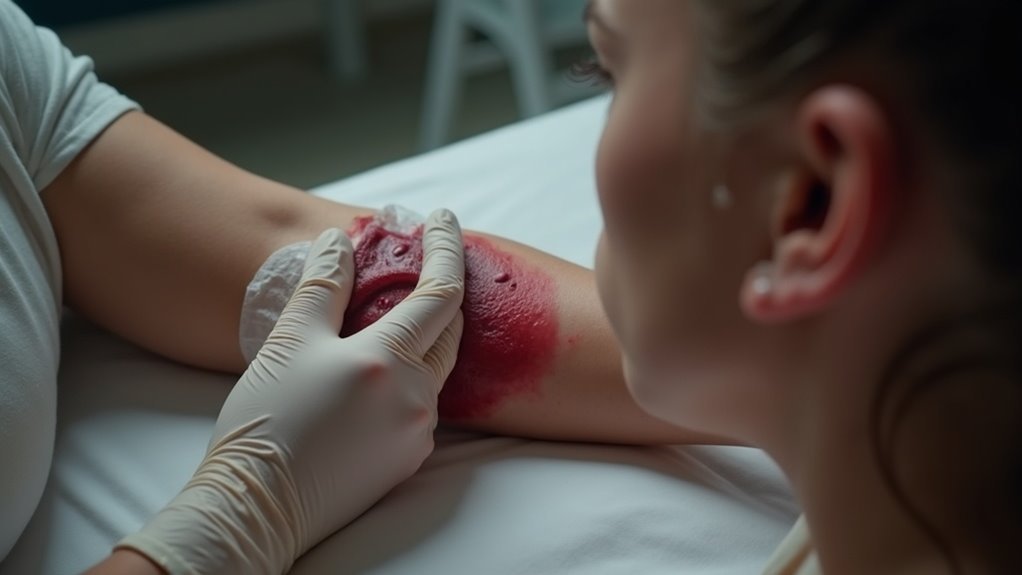
To effectively stop severe bleeding with pressure in a survival scenario, quickly apply a clean cloth or gauze directly over the wound and press firmly. If blood seeps through, add more layers without lifting the original dressing to maintain pressure. Elevate the wound above heart level to help reduce blood flow. If the bleeding continues despite your efforts, consider utilizing a tourniquet placed 2-3 inches above the wound as a last resort. Always keep a close watch on the victim’s condition for any signs of shock while awaiting emergency assistance. Being prepared with knowledge and supplies can make a critical difference in managing severe bleeding effectively in any situation.
Key Takeaways
- Apply direct pressure using a clean cloth or sterile dressing directly over the wound to effectively control bleeding in a survival situation.
- Utilize a heavy gauze pad; if blood seeps through, layer another pad on top without removing the initial one to ensure effective absorption.
- Elevate the bleeding limb above heart level to aid in slowing down blood loss, a critical step in a survival scenario.
- Maintain firm pressure continuously until the bleeding stops or until you can secure emergency assistance, which may take time in a survival context.
- If severe bleeding continues despite your efforts, consider employing a tourniquet positioned 2-3 inches above the wound as a last resort to save life.
Recognizing Life-Threatening Bleeding
How can you tell if someone is experiencing life-threatening bleeding in a survival situation? Look for continuous or spurting blood from a wound, indicating significant blood loss that could compromise survival.
Adults can lose around 1.5 cups of blood rapidly, putting them at serious risk, and children are even more vulnerable.
Adults can quickly lose about 1.5 cups of blood, putting them at significant risk, while children are even more at risk.
Be alert for signs such as a rapid heart rate, weak or shallow breathing, confusion, dizziness, and pale or bluish skin. These symptoms highlight the critical nature of the situation.
If you observe these signs, act swiftly. Recognizing life-threatening bleeding and knowing when to apply pressure can greatly enhance survival chances in emergencies.
Don’t hesitate to call for emergency medical assistance if available, but be prepared to manage the situation with the skills and resources you’ve developed through prepping.
Immediate Actions to Take
When you encounter severe bleeding in a survival situation, your first step is to call for emergency assistance or have someone else do it immediately.
Next, locate the source of the bleeding and apply direct pressure using a clean cloth or sterile dressing from your first aid kit.
If possible, elevate the wound above heart level to help slow the bleeding while you prepare to manage the situation or await further assistance.
Call for Emergency Help
In any survival situation involving severe bleeding, your first step must be to call for emergency help.
Immediately dial 911 or your local emergency number. Clearly communicate the nature of the injury, the amount of bleeding, and your precise location to ensure a rapid response.
If possible, have another person make the call while you focus on providing care to the injured individual. Use speakerphone to maintain your attention on the patient while speaking with the dispatcher.
Remain calm and reassure the injured person; your composure can significantly reduce their stress and potentially improve their condition as you await professional assistance.
Apply Direct Pressure
Apply direct pressure to the wound immediately; this is crucial for controlling severe bleeding in any survival situation.
Use a clean, heavy gauze pad or similar material, placing it directly over the wound. If blood soaks through, avoid removing the initial dressing; instead, add another pad on top while maintaining firm pressure.
Continue applying steady pressure until the bleeding stops or help arrives. If the bleeding persists, locate and apply pressure to a nearby major artery to assist in stopping the flow.
Keep a vigilant watch on the injured person’s condition for signs of shock while you maintain pressure and await emergency assistance.
Having basic first aid supplies on hand is essential for any prepper, as is knowing how to respond effectively in emergencies.
Elevate the Wound
To effectively control bleeding in survival situations, elevating the wound above heart level is crucial as it significantly reduces blood flow to the area.
If the injured person is conscious, assist them in elevating their legs to promote better blood circulation back to vital organs.
Always remember that elevation should be accompanied by direct pressure on the wound for optimal control of severe bleeding.
In cases of severe limb injuries, this technique can help slow down blood loss until emergency assistance can be accessed.
However, be cautious that elevating the wound doesn’t exacerbate pain or cause additional injury to the victim.
Your prompt and knowledgeable actions can greatly enhance their chances of survival.
Applying Direct Pressure Effectively
Effective application of direct pressure is crucial for controlling severe bleeding, especially in survival situations.
Begin by placing a clean, heavy gauze pad or cloth directly over the wound. Maintain firm pressure on the wound until the bleeding stops or help arrives. If blood seeps through, don’t remove the initial dressing; instead, add another clean pad on top while continuing to apply pressure.
Ensure the dressing is secure but not too tight to cut off circulation. Hold pressure continuously for at least five minutes without lifting the dressing, as this is vital for stopping the bleeding and allowing clots to form.
If you have access to a hemostatic dressing, use it for improved control over the bleeding. Being prepared with these skills can make a significant difference in a crisis.
Elevating the Wound
Elevating the wound above heart level is a crucial step in survival situations to reduce blood flow and minimize bleeding, particularly for limb injuries.
It’s important to maintain this elevation while applying direct pressure to enhance its effectiveness.
However, be mindful—if elevation causes pain, adjust the position to ensure the injured person remains stable.
Mastering these skills can be vital for survival in emergency scenarios.
Importance of Elevation
When you elevate a wound above heart level in a survival situation, it can significantly help reduce blood flow to the area, making it easier to control severe bleeding.
This elevation minimizes pressure on blood vessels, slowing the bleeding and facilitating clot formation. While elevating the wound, it’s vital to keep the injured person still to prevent further injury and disruption of the clotting process.
For limbs, combining elevation with direct pressure enhances the effectiveness of your bleeding control measures.
Techniques for Elevation
To effectively manage severe bleeding in a survival situation, employing proper elevation techniques is crucial. Elevating the wound can help reduce blood flow and minimize further bleeding.
Here are three essential techniques for those prepared to handle emergencies:
- Raise the Limb: In the case of a limb injury, elevate the affected arm or leg above heart level. This technique slows blood loss and is vital for maintaining control in a survival scenario.
- Prop Feet Up: For individuals who are lying down, elevate their feet to support circulation to critical organs and help prevent shock. This is especially important in survival situations where resources may be limited.
- Combine with Pressure: Always apply direct pressure to the wound while elevating it. This dual approach maximizes your ability to control bleeding effectively.
Remember, in survival situations, quick and decisive action can save lives.
Being prepared with knowledge of these elevation techniques can make a significant difference when faced with severe bleeding emergencies.
Risks of Improper Elevation
Improper elevation of a wound can lead to serious complications that may worsen the situation rather than help, especially in survival scenarios.
Elevating a wound above heart level can reduce blood flow but may increase bleeding if the injury is on the head, neck, or torso due to added pressure.
In a survival situation, if the injured person shows signs of shock, avoid elevation, as it restricts blood flow to essential organs, which is crucial when resources are limited.
Additionally, elevating a fractured limb can misalign the injury, complicating healing and possibly leading to long-term issues that could hinder the ability to survive in the wild.
Always verify that elevation doesn’t cause pain or discomfort, as this can increase anxiety and hinder recovery efforts, which is vital when self-sufficiency is key.
Prioritize proper techniques for effective care to enhance survival outcomes.
Using a Tourniquet When Necessary
Tourniquets can be invaluable tools in survival situations involving severe limb bleeding, but they should only be employed in critical circumstances. Here’s how to use a tourniquet effectively in a survival context:
- Position the tourniquet 2-3 inches above the wound, avoiding direct placement over it to maximize effectiveness.
- Tighten the tourniquet until the bleeding halts, ensuring it’s secure without cutting off blood flow to surrounding tissues.
- Document the time you applied the tourniquet; this information is crucial for any medical professionals who may assist later.
Always remember, in a survival scenario, seeking professional medical attention immediately after applying a tourniquet is vital, as addressing the source of the bleeding is essential to prevent further blood loss and complications.
Being prepared and knowledgeable about first aid can make a significant difference in life-threatening situations.
Monitoring the Victim’s Condition
While applying a tourniquet is crucial in a survival situation, monitoring the victim’s condition is equally vital to ensure their safety. Be vigilant for signs of shock, such as rapid breathing and clammy skin, which can indicate a critical state. Regularly assess the bleeding site and keep track of vital signs like heart rate and blood pressure. Pay close attention to any changes in consciousness, as this could suggest significant blood loss. It’s essential to keep the victim calm, since anxiety can exacerbate their symptoms.
| Signs of Shock | Actions to Take | Notes |
|---|---|---|
| Rapid breathing | Observe closely | Stay calm and focused |
| Weak pulse | Check the bleeding site | Maintain consistent pressure |
| Clammy skin | Monitor vital signs | Call for emergency assistance if needed |
| Confusion | Reassure the victim | Encourage them to stay alert |
| Changes in alertness | Watch for deterioration | Prepare for emergency measures |
In a survival scenario, being prepared to respond effectively can mean the difference between life and death. Stay alert and proactive in your monitoring.
Post-Care Hygiene and Safety Measures
After stabilizing the victim and addressing immediate life-threatening issues, it’s crucial to implement hygiene and safety measures to prevent infection, especially in survival situations where resources may be limited.
Follow these post-care hygiene tips:
- Always wash your hands thoroughly with soap and water after providing first aid, even if there’s no visible blood contact. In a survival scenario, carry a portable soap solution or use natural alternatives if necessary.
- Use disposable gloves while assisting and ensure you dispose of them, along with any contaminated materials, in a sealed plastic bag to prevent contamination. If you’re in a wilderness setting, consider using natural materials to wrap and contain waste safely.
- If soap isn’t available, utilize hand sanitizer or a homemade alcohol-based solution. Make sure to clean surfaces with a clean cloth or a makeshift alternative, such as a bandana or other fabric.
Staying informed about personal protective measures enhances safety and ensures effective care in future incidents, especially when you may be operating in austere environments.
Always be prepared and have a hygiene plan as part of your survival kit.