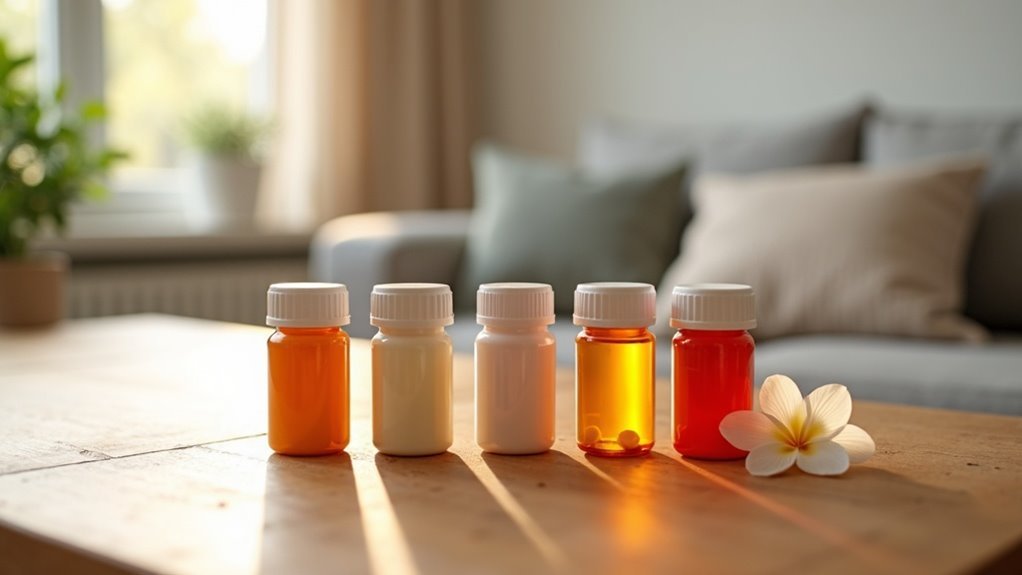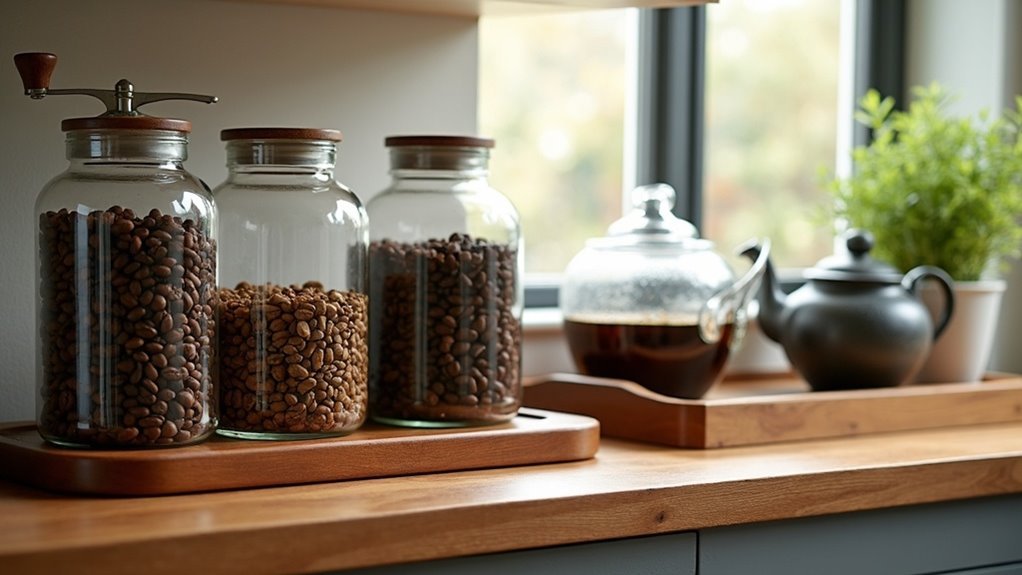
To store coffee and tea effectively in a survival situation, keep them in opaque, airtight containers that are resistant to moisture, heat, and light. Coffee’s flavor peaks within two to three weeks of opening, so avoid refrigerating it, as this can introduce unwanted moisture. For tea, ensure it is stored in a cool, dry place, and separate different types to maintain their unique flavors. Regularly check for freshness, especially if you are relying on these supplies for long-term use. Interested in learning about sustainable storage solutions and common mistakes to avoid in your prepping efforts? Continue reading to discover more tips!
Key Takeaways
- Store coffee beans in a cool, dry place in opaque, airtight containers to prevent oxidation and moisture exposure, ensuring you have a reliable supply during emergencies.
- Keep tea in opaque, airtight containers away from light and air to maintain flavor and freshness, as these can be valuable resources in a survival situation.
- Avoid refrigerating or freezing coffee to prevent moisture introduction; instead, use tightly sealed original bags or airtight containers to keep it preserved for long-term use.
- Maintain a stable temperature between 60°F and 75°F for tea, with humidity levels below 50% to prevent spoilage, which is crucial for maintaining your food supplies.
- Consider using vacuum-sealed bags or oxygen absorbers for long-term freshness of both coffee and tea, ensuring these essential items remain viable during extended periods of uncertainty.
Importance of Freshness
When you brew a cup of coffee or tea, the vibrant flavors and rich aromas can enhance your experience, making it even more satisfying, especially in a survival situation. Freshness is crucial; it significantly impacts the taste and overall quality of your beverage.
Brewed coffee and tea offer vibrant flavors and rich aromas, enhancing your experience, especially in survival situations.
Over time, exposure to air, moisture, heat, and light can diminish those desirable characteristics. That’s why proper storage is vital in your prepping supplies. Using an airtight container and keeping your coffee and tea in a cool, dark place are essential steps to preserve their freshness.
Remember, coffee is best consumed within 2-3 weeks of opening, while tea also requires careful handling to prevent stale flavors and maintain safety in your long-term storage.
Being mindful of these factors ensures that you can enjoy your beverages, even in challenging circumstances.
Best Practices for Coffee Storage
To keep your coffee fresh and flavorful for your survival supplies, proper storage is crucial. Here are some best practices for coffee storage that align with prepping principles:
- Store coffee beans in a cool, dry location, away from direct sunlight to maintain their integrity over time.
- Utilize opaque, airtight containers to protect against oxidation and moisture, ensuring your coffee remains viable for extended periods.
- Avoid refrigerating or freezing your coffee, as these methods can introduce moisture that may compromise flavor and shelf life.
- If using the original valve bag, ensure it’s sealed tightly or transfer the beans to an airtight container to prevent exposure to air.
- Regularly check your coffee for aroma and visual signs of staleness, ensuring it remains a reliable part of your emergency supplies.
Best Practices for Tea Storage
To ensure your tea remains fresh and flavorful for long-term storage, it’s essential to keep it in opaque, airtight containers that protect it from light and air.
Store your tea in a cool, dry location, away from heat and humidity, to avoid spoilage.
Separating different types of tea is also crucial; this preserves their distinct flavors, allowing you to enjoy each cup fully, which is vital in a survival situation where maintaining morale and comfort is important.
Airtight Container Usage
Storing tea properly isn’t just about enjoyment; it’s also a crucial aspect of preparedness and survivalism. Using an opaque, airtight container is essential for preserving tea’s rich flavors and delightful aromas, especially in a long-term storage situation.
Here are some storage tips to keep your tea fresh and ready for use:
- Block light and air exposure to prevent degradation, which is vital for maintaining the quality of your supplies.
- Keep containers in a cool, dry place to avoid moisture absorption, ensuring that your tea remains viable for longer periods.
- Consider vacuum-sealed bags or oxygen absorbers for added longevity, especially if you’re storing large quantities for emergencies.
- Use separate containers for different tea types to avoid flavor contamination, ensuring that you have a variety of options when needed.
- Avoid transparent containers that expose tea to light, leading to photodegradation, which can compromise your stock.
Temperature and Humidity Control
While maintaining the right temperature and humidity levels may appear to be minor details, they’re critical for preserving the quality of your tea, especially in a survival situation where resources are limited.
Store your tea in a cool, dry place with a stable temperature between 60°F and 75°F to ensure it remains flavorful and aromatic. High humidity can lead to mold and spoilage, so it’s essential to keep humidity levels below 50%.
Use opaque, airtight containers to shield your tea from light, air, and moisture, which can degrade its quality over time. Avoid placing your tea near heat sources, such as stoves or heaters, as temperature fluctuations can accelerate aging and spoilage.
To further safeguard your supplies, consider adding silica gel packets to absorb excess moisture and maintain freshness, ensuring your tea remains a reliable source of comfort and energy during uncertain times.
Common Mistakes to Avoid
Have you ever wondered why your survival supplies don’t last as long or perform as well as they should?
Avoiding common mistakes can help keep your food and gear in top condition. Here are some pitfalls to steer clear of:
- Don’t store food supplies in humid areas; moisture can lead to spoilage.
- Avoid clear containers; keep your supplies away from light exposure to prolong shelf life.
- Don’t leave your gear in original packaging; it can trap moisture and lead to degradation.
- Keep your food away from strong-smelling items to prevent flavor contamination and spoilage.
- Avoid warm areas for storing supplies; heat accelerates the breakdown of food and materials.
Make these changes for better preparedness!
Assessing the Freshness of Coffee and Tea
To assess the freshness of your coffee and tea in a survival situation, begin by inhaling their aromas; a rich scent indicates quality, while a musty smell signals staleness.
Next, examine the visual aspects—coffee beans should retain their color and texture, and tea should appear vibrant and clean.
Regular checks for moisture or mold are crucial to ensure your supplies remain safe and enjoyable during emergencies.
Properly stored coffee and tea can be valuable additions to your preparedness plan, providing comfort and sustenance when needed most.
Aroma and Smell
When you open a bag of coffee or tea, the first thing you should notice is the aroma; it’s a crucial indicator of freshness, especially for those preparing for survival situations.
The rich scent of freshly roasted coffee can fade within 2-3 weeks, while tea should retain its fragrance. To ensure your supplies remain fresh and effective, consider these tips:
- Trust your nose; musty or flat smells indicate staleness and may compromise your preparedness.
- Regularly monitor the aroma and smell of your stored goods.
- Use an airtight storage container to slow oxidation and prolong shelf life.
- Keep coffee grounds and tea away from light and moisture to prevent spoilage.
- Enjoying peak flavor means regularly checking freshness, ensuring you have the best resources available in times of need.
Stay vigilant to guarantee a delightful and effective experience in your survival preparations!
Visual Quality Indicators
While the aroma of coffee and tea can indicate freshness, visual quality indicators are also crucial in survival situations. For the best fresh roasted coffee, conduct a visual inspection: shiny beans signify dark roasts, while dull, uneven colors may indicate staleness, which can compromise your supplies.
In tea, broken leaves or a dull hue could suggest lower quality or age, impacting your hydration options during emergencies. Properly storing your coffee away from light and air is essential to maintaining its visual appeal and overall quality.
Regularly checking these visual cues ensures your stockpiled beverages remain fresh and flavorful, providing vital sustenance when needed most.
Tips for Sustainable Storage Solutions
Choosing sustainable storage solutions for your coffee and tea can be an essential part of your prepping strategy, ensuring that your supplies remain fresh and ready for use while also being mindful of your environmental impact.
Incorporating sustainable storage for coffee and tea enhances freshness while reducing your environmental footprint.
Here are some effective tips to consider:
- Use recyclable or compostable storage materials to limit landfill waste and ensure that used supplies can be repurposed.
- Reuse glass jars or containers to minimize reliance on single-use packaging, making your storage more efficient and eco-friendly.
- Purchase coffee and tea in bulk to reduce packaging waste and save money, allowing you to stock up on essentials without the excess.
- Opt for vacuum-sealed bags or containers with oxygen absorbers to maintain the freshness of your supplies for longer-term storage.
- Support brands that practice eco-friendly methods in their packaging and storage solutions, aligning your purchases with sustainable values.