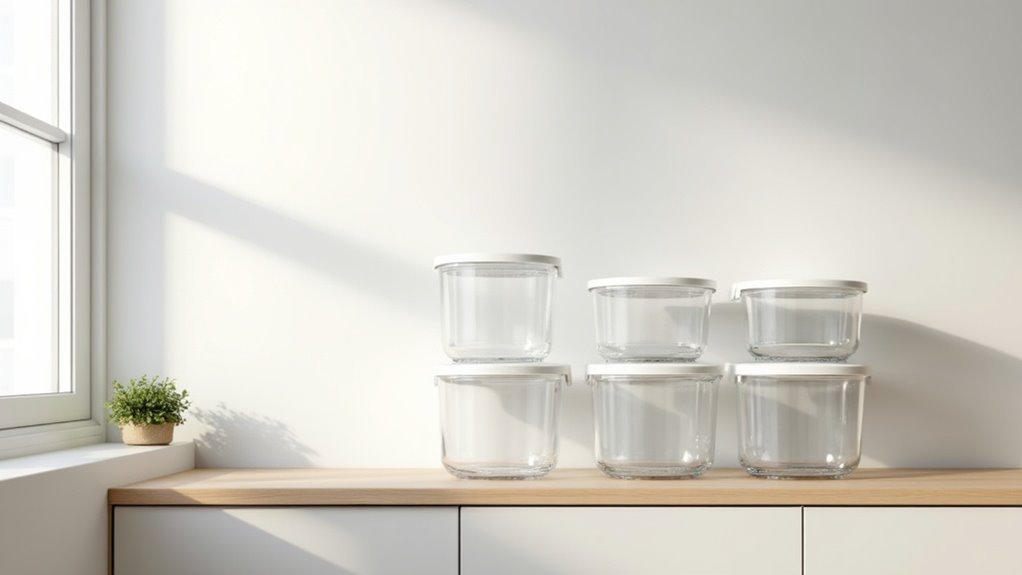
To effectively store water in small spaces for survival and prepping, utilize stackable containers and compact jerry cans to maximize vertical efficiency. Seek out unconventional storage areas such as under-the-bed compartments, behind furniture, and in unused closet corners. Ensure that all containers are food-grade and securely sealed to maintain the quality of your water supply. It’s essential to label and date your supplies for easy tracking and rotation. Keep a portion of your water supply readily accessible for emergencies, as preparedness is key. There’s much more to learn about optimizing your space and ensuring safe water storage for any situation.
Key Takeaways
- Utilize stackable water containers to efficiently maximize vertical space in limited areas, ensuring that your emergency water supply is both accessible and organized.
- Store compact jerry cans in tight corners for easy access, allowing you to quickly retrieve water in a crisis without occupying valuable space.
- Consider triangular 25-gallon water caddie tanks that fit seamlessly into corners, making the most of every inch while preparing for unforeseen circumstances.
- Use under-bed storage or behind furniture to conceal and organize your water supply, keeping it hidden yet readily available when needed.
- Regularly rotate and inspect stored water to maintain quality and freshness, ensuring your emergency reserves are always safe and ready for use.
Understanding the Importance of Water Storage
Understanding the importance of water storage is essential for any survivalist or prepper. A reliable water supply can be a lifesaver during emergencies, and it’s recommended to have at least one gallon per person per day.
Ideally, you should aim to store 14 gallons per person to cover drinking, cooking, and sanitation needs effectively.
To enhance accessibility, store water in multiple locations around your property. It’s crucial to regularly inspect your stored water to prevent leaks and ensure it remains properly sanitized.
Rotate your supplies every 6-12 months to maintain freshness. Using food-grade containers and keeping them in cool, dark spaces will help preserve the quality of your water, even if you’re working with limited space.
Being proactive about water storage is a key component of effective preparedness.
Optimal Container Options for Limited Spaces
When it comes to storing water for survival in limited spaces, selecting the right containers is crucial.
To maximize your available area, consider stackable water solutions that allow for efficient use of vertical space, or utilize multi-functional furniture to discreetly conceal your water supplies.
Compact jerry cans are also an excellent choice, as they offer effective storage and can fit snugly in tight corners, ensuring that you have essential hydration readily available when you need it most.
Stackable Water Solutions
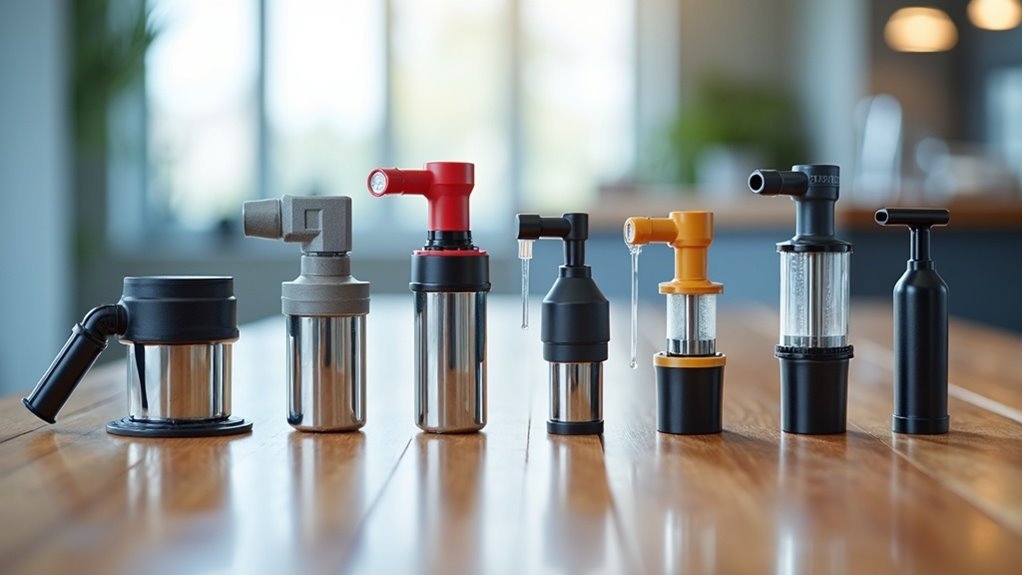
To maximize your limited storage space for survival and prepping, consider stackable water solutions that enhance vertical efficiency. Options like WaterBricks and narrow jerry cans are ideal for compact water storage in tight areas, ensuring you have essential resources on hand. The triangular 25 Gallon Water Caddie Tank fits seamlessly into corners, allowing for easy dispensing when you need it most. Stackable tote bins provide organized storage for both water and emergency supplies, optimizing your vertical space for a well-prepared environment.
| Container Type | Features |
|---|---|
| WaterBricks | Stackable, space-efficient |
| 25 Gallon Caddie Tank | Triangular shape, built-in valve |
| Stackable Tote Bins | Organized, accessible for supplies |
Multi-Functional Furniture Use
Incorporating multi-functional furniture into your water storage strategy is crucial for enhancing the efficiency of your survival space.
Utilize storage ottomans and benches to discreetly house water containers, keeping your area organized and ready for emergencies.
Consider stackable solutions like WaterBricks to maximize vertical space, ensuring easy access to water supplies when it matters most.
You can also repurpose furniture, such as dressers or coffee tables, by filling drawers with sanitized water containers, effectively using all available space for your preparedness needs.
Narrow jerry cans or collapsible carriers can fit snugly into tight areas, promoting accessibility and ease of transport.
Lastly, implement a multi-tier shelf system to neatly arrange water bottles, optimizing both vertical space and convenience in your limited prep areas.
Having a well-organized water storage setup is essential for any survivalist or prepper.
Compact Jerry Can Storage
Efficient water storage is crucial for survivalists and preppers, especially in small spaces. Compact jerry cans are ideal for this purpose, as they easily fit into tight areas such as closets or under beds. With a capacity of 5 to 7 gallons, they strike a balance between manageability and sufficient water supply for emergencies. Constructed from food-grade plastic, these jerry cans are not only durable but also leak-proof, ensuring safe water storage for long-term use. Opt for stackable designs to make the most of your vertical space, keeping your supplies organized and accessible. Always remember to label and date each can to maintain freshness and ensure you have potable water when needed.
| Feature | Description |
|---|---|
| Material | Food-grade plastic |
| Capacity | 5 to 7 gallons |
| Design | Stackable |
| Use | Emergency water storage in small spaces |
Creative Storage Locations in Your Home
While many overlook the potential of small spaces, you can effectively store water in your home by utilizing areas that often go unused.
Here are some strategic storage locations for your water containers that align with survivalism and prepping principles:
- Utilize under-the-bed storage for concealed water containers, keeping them out of sight yet readily available in an emergency.
- Place larger containers in the back of closets, maximizing your living space while ensuring you have enough water supply for potential crises.
- Store smaller water containers beneath sinks in kitchens and bathrooms for easy access during daily routines or emergencies.
- Keep water in the refrigerator on unused shelves to ensure it remains cool, ready for use in case of power outages or shortages.
- Distribute emergency water supplies behind furniture or within dressers for discreet storage that still maintains accessibility when needed.
These creative storage locations help maximize the preparedness of your apartment or home, ensuring you’re ready for any situation!
Maintaining Water Quality and Freshness
To ensure your emergency water supply remains fresh and safe for consumption, it’s essential to regularly rotate your stock every 6-12 months.
Utilize food-grade containers with secure seals and store them in cool, dark locations to inhibit contamination and bacterial growth.
Regular Rotation Schedule
Regularly rotating your stored water every 6 to 12 months is crucial for ensuring its quality and freshness, especially in a survival situation.
To establish a reliable rotation schedule, consider these practical steps tailored for survivalists:
- Store a minimum of a few gallons of water each month to build a robust supply.
- Clearly label and date your water containers for easy tracking and management.
- Regularly check bottled water for best-by dates and replace as necessary to maintain safety.
- Utilize a calendar or checklist as a visual reminder for regular assessments and rotations.
- Keep an eye on plastic containers for signs of leaching, as this may indicate they need to be replaced for safety.
Proper Sealing Techniques
Maintaining the quality and freshness of your stored water is crucial for survival and preparedness. Utilize food-grade plastic containers with a secure, airtight seal to prevent contamination in any emergency situation.
Before filling, ensure your containers are sanitized by washing them with soap and water, rinsing thoroughly, and using a bleach solution (1 tsp bleach per quart of water) for effective disinfection.
After filling, label and date each container to keep track of storage duration, which is vital for long-term preparedness. Regularly inspect your water supply for signs of contamination or leaks, and replace any water that exhibits an off taste or odor to ensure it’s safe for consumption.
Ideal Storage Conditions
When preparing for emergencies, storing water correctly is crucial for ensuring it remains fresh and safe for consumption.
To maintain ideal storage conditions, follow these essential tips:
- Store water in a cool, dark location (between 50°F and 70°F) to inhibit algae growth and maintain quality.
- Use only food-grade plastic containers that are tightly sealed and properly sanitized to prevent contamination.
- Regularly check your stored water supply every 6-12 months and replace any old or compromised containers.
- Distribute your water storage across different locations in your home for easy access during emergencies.
- Keep a close eye on containers for any signs of leaching, and consider using glass jars for temporary storage if needed.
Innovative Uses for Storage Tanks
Storage tanks aren’t just for water; they can be creatively repurposed to enhance your survival and prepping strategies in compact living spaces.
For instance, a 55-gallon water trough can serve as a robust garden planter, allowing you to grow your own food even in limited areas.
Short trough tanks can be converted into efficient dog-washing stations, simplifying pet care while ensuring hygiene during emergencies.
Rectangular open-top tanks can be transformed into portable bathtubs for RVs or small backyards, providing versatile bathing options when access to water is limited.
Bladder tanks are excellent for efficiently collecting both fresh and grey water, fitting various space needs and ensuring you have enough water supply during a crisis.
Meanwhile, the 25-gallon Water Caddie Tank guarantees accessible emergency water storage in tight areas like laundry rooms, reinforcing the idea that storage tanks can play multiple vital roles in your preparedness plan.
Preparing for Emergencies With Water Supply
Preparing for emergencies demands a strategic approach to your water supply, ensuring you have ample reserves for drinking, cooking, and sanitation needs. Each individual in your household should aim to store a minimum of 14 gallons of water to sustain them for two weeks.
A strategic water supply is crucial for emergencies; aim for at least 14 gallons per person for two weeks.
Here’s how to optimize your limited space for effective water storage:
- Take advantage of containers under beds or tucked behind furniture to maximize unused areas.
- Consider using narrow jerry cans or stackable WaterBricks for efficient storage.
- Regularly inspect and refresh your stored water every 6-12 months to maintain quality.
- Keep a portion of your water supply readily accessible for swift evacuation if necessary.
- Distribute the remaining water throughout your living space to enhance overall preparedness.
Robust long-term water storage is essential for anyone serious about survivalism and prepping for emergencies.