To effectively store water in your vehicle for emergency preparedness, use BPA-free, insulated containers to ensure the quality remains high. Place these containers in a dry, cool location, away from direct sunlight and temperature fluctuations, which can compromise the water. Utilizing a cooler in the trunk can further protect your supply from freezing during colder months. Regularly check your water supply and replace it every six months to guarantee it remains fresh and safe for consumption. By following these guidelines, you can significantly enhance your readiness for any survival situation. There’s always more to learn about optimizing your vehicle’s water storage for preparedness.
Key Takeaways
- Store water in dry, insulated coolers in the back of the vehicle to protect against heat and temperature fluctuations, which is essential for survival situations.
- Use BPA-free containers to ensure safety and avoid leaching harmful chemicals into the water, safeguarding your health in emergencies.
- Shield containers from direct sunlight to maintain water quality and prevent overheating, crucial for your preparedness plan.
- Rotate and replace stored water every six months to ensure freshness and safety, a key practice for any prepper.
- Consider using stainless steel or glass containers for long-term storage to prevent chemical degradation, ensuring your water supply remains viable when you need it most.
Importance of Keeping Water Supply in Your Vehicle
Having a reliable water supply in your vehicle is crucial for survival, particularly during unforeseen events such as extended traffic jams or emergencies. Adequate water storage is vital not only for hydration but also for meal preparation and hygiene needs.
It’s recommended to carry at least 1 gallon of water per person per day, which can accumulate quickly for families or groups. Water serves multiple essential functions, including washing hands, cleaning wounds, or even cooling an overheated engine, especially when traveling with children or pets.
Opt for insulated containers to ensure your water remains safe and palatable, protecting it from heat exposure that can compromise its quality.
A well-stocked water supply in your emergency kit can be life-saving, making it imperative to tailor your preparations to fit your specific travel scenarios and potential challenges.
Best Storage Locations and Conditions for Water in a Car
When preparing to store water in your vehicle for survival situations, it’s essential to select a dry, insulated cooler placed in the back to protect it from direct sunlight and temperature fluctuations.
In hot weather, keep your water containers in the cargo area, away from heat sources, and consider using insulated options to prevent the water from becoming too warm.
During colder months, insulated containers can help maintain a suitable temperature.
Always opt for BPA-free containers to ensure safety, and aim to keep the water at a stable temperature between 50-70°F to ensure it remains fresh and safe for consumption in emergencies.
Proper storage of water is a critical aspect of your prepping strategy.
Optimal Storage Areas
To ensure your water supply remains safe and drinkable during car trips, it’s crucial to select the right storage areas within your vehicle, especially for survival situations.
Store water containers in the passenger compartment to avoid extreme heat that can degrade plastic and compromise water quality. An insulated cooler in the back will help regulate temperature and protect water from direct sunlight, which is vital for long-term preparedness.
In hotter climates, placing BPA-free containers in the cargo compartment’s far back can help maintain cooler temperatures, which is essential for keeping your resources viable.
For winter trips, keep water in the trunk within a cooler and wrap bottles in cloth to slow down freezing, ensuring you have access to drinking water even in harsh conditions.
Always opt for BPA-free containers to guarantee health safety, as your survival may depend on the quality of your stored supplies.
Temperature Management Strategies
Proper temperature management is crucial for preserving the quality of your water supply during vehicle storage, especially for those who prioritize survival preparedness.
Store water in BPA-free containers and keep them inside a dry cooler, ideally positioned in the back of your vehicle for optimal insulation. Shield your water containers from direct sunlight by placing them in shaded areas or covering them with light-colored blankets to reflect heat.
In hot climates, position containers in the far back of the cargo compartment to minimize heat exposure, while in cooler climates, utilizing a cooler in the trunk can help prevent freezing.
It’s essential to regularly check the quality of your stored water and replace it every six months to ensure freshness and safety, thereby maintaining a reliable water supply for your preparedness needs.
Impact of Packaging on Water Storage
When it comes to storing water in your vehicle for survival situations, the type of packaging you choose is crucial.
Plastic bottles can leach harmful chemicals like BPA and degrade when exposed to heat, posing significant health risks over time.
For long-term storage and to ensure your water remains clean and safe for drinking, consider using more resilient alternatives such as stainless steel or glass containers.
These options are ideal for preppers looking to maintain a reliable water supply in emergency scenarios.
BPA Risks in Plastic
While plastic may seem like a convenient choice for water storage in survival situations, it poses considerable risks due to the presence of BPA. This harmful chemical can leach into your water supply, especially when bottles are exposed to heat, which can jeopardize your health during emergencies.
Single-use plastic bottles are particularly vulnerable to this contamination, making them ill-suited for long-term preparedness. The FDA advises consuming unopened bottled water within two years, as plastic can degrade over time, compromising both the container’s integrity and the water’s quality.
To minimize health risks, check the recycling numbers on plastic containers; avoid those marked 3 or 7. Instead, consider more durable and safer options like glass or boxed water to ensure you have a reliable and safe water supply in your prepping stockpile.
Alternatives to Plastic Containers
Many preppers understand the critical importance of selecting the right packaging for water storage, especially when aiming to avoid plastic.
Stainless steel bottles are a top choice for keeping drinking water cold and free from harmful chemicals, but be cautious not to fill them to the brim if you plan to store them in extreme cold, as they can burst.
For larger water storage needs, consider boxed water, which is BPA-free and eco-friendly, but be sure to store it properly to prevent crushing.
Glass bottles are another sustainable option, though they carry the risk of breaking during transport.
Aluminum cans provide a convenient, BPA-free alternative with a long shelf life, although they often come at a higher price.
Choosing the right materials can make a significant difference in your preparedness strategy.
Long-Term Storage Considerations
Selecting the right packaging for long-term water storage is crucial for survivalists and preppers, as it directly influences the safety and quality of your water supply.
When storing water, it’s best to avoid plastic bottles, particularly those containing BPA, which can leach harmful chemicals. Instead, consider using stainless steel containers; they’re durable, insulated, and keep your potable water safe and cool, making them ideal for long-term storage scenarios.
Glass bottles and boxed water are also excellent alternatives, posing fewer health risks.
Keep in mind that tap water stored in clean, purified stainless steel containers can remain safe for consumption for about six months if kept in a cool, dark place. This practice helps ensure that your water quality is maintained during long-term storage, particularly in vehicles or emergency kits.
Container Options and Specialized Water Storage Solutions
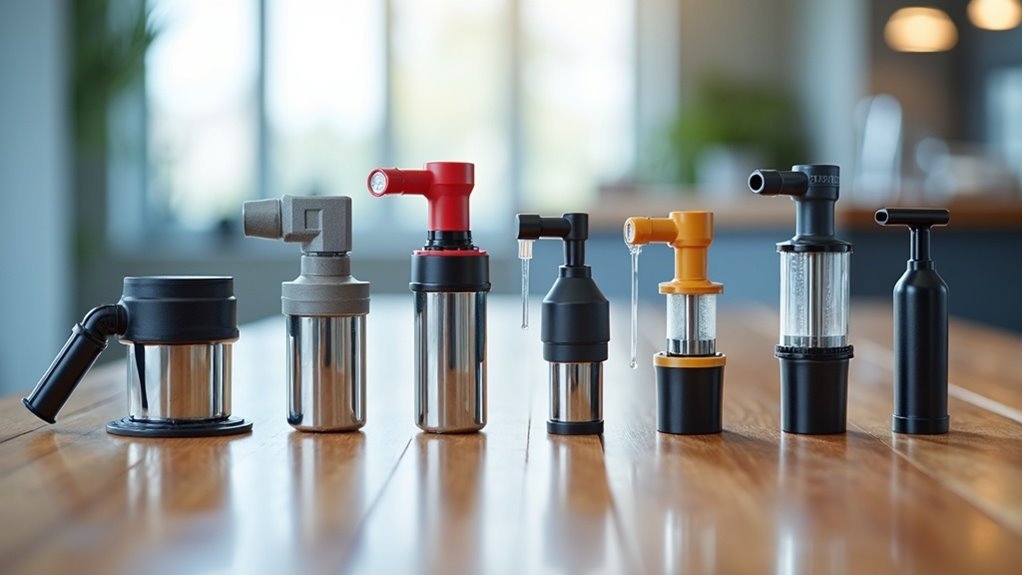
When it comes to storing water in your vehicle for survival situations, selecting the right container is crucial. Here are some options to consider:
- Scepter 5-gallon jugs – These rugged, BPA-free containers are perfect for long trips and emergency preparedness.
- Stainless steel containers – Ideal for maintaining the water’s temperature and preventing harmful chemical leaching, ensuring safe hydration in critical moments.
- Soft-sided insulated containers – These provide initial protection against freezing temperatures, which can be vital in survival scenarios.
- Boxed water – Lightweight and BPA-free, but ensure proper storage to avoid crushing, as you may need this water source in an emergency.
Always prioritize containers specifically designed for water storage to promote safety and facilitate potential purification when necessary.
The right containers will help you stay hydrated and ready for any situation without the risk of contamination.
How to Store Water in Different Seasons
Storing water effectively in your vehicle is crucial for survival preparedness, and it varies by season due to temperature fluctuations that can affect both water quality and container integrity.
In the summer months, it’s essential to store water in insulated coolers or in dry compartments that are shielded from direct sunlight. This helps prevent chemical leaching from plastic bottles, which can compromise the quality of your water supply. Consider using high-quality, BPA-free containers for added safety.
During winter, opt for plastic or stainless steel containers and store them in a cooler to protect against freezing temperatures. To delay freezing, wrap your bottles in cloth or other insulating materials. When freezing water in plastic soda bottles, always fill them two-thirds full to prevent bursting as the water expands.
Regularly check and rotate your water supply, ensuring you consume bottled water within two years of its manufacture date for optimal safety.
Maintaining a reliable water supply is a key component of any survival plan, so stay vigilant and prepared for any seasonal challenges.
Storage, Weight, and Logistics for Water in Vehicles
Managing water storage in your vehicle is essential for effective survivalism and preparedness. Proper storage ensures that you have access to vital water supplies when needed, while also taking into account weight and logistics.
Effective water storage in your vehicle is crucial for survivalism, ensuring vital supplies are accessible while optimizing weight and logistics.
Here are four key tips to enhance your vehicle’s readiness:
- Store water low in your vehicle to improve weight distribution, which helps maintain vehicle stability during travel.
- Use dedicated storage compartments to allow for quick access to water without the need to unload other gear.
- Secure water containers with milk crates or sturdy straps to prevent movement and spillage while on the road.
- Pair insulated containers with an emergency blanket for enhanced temperature protection, ensuring your water remains potable in extreme conditions.
Emergency Preparedness and Water Supply Planning
Preparing for emergencies requires strategic planning for your water supply, particularly during extended survival trips. For a family of six, aim for approximately 24 gallons of water to last four days, taking into consideration hygiene, cooking, and drinking needs.
Store water bottles inside your vehicle, ideally in the passenger compartment to protect them from extreme temperatures. Opt for BPA-free containers and consider insulated options to preserve water quality.
Regularly inspect and rotate your supplies, as unopened bottles are best consumed within two years. Additionally, incorporating a water filtration system or purification tablets in your emergency kit significantly enhances your survival preparedness, ensuring access to safe drinking water when the situation demands it.
Community Insights and Recommendations for Water Storage
When it comes to effectively storing water in your vehicle for survival situations, many community members recommend utilizing 5-gallon Scepter jugs due to their robustness and BPA-free construction.
To bolster your water storage strategy for prepping and survival readiness, consider these key recommendations:
- Store water in the passenger compartment to mitigate extreme temperature fluctuations, ensuring it remains usable in critical situations.
- Utilize insulated coolers to safeguard water bottles from both intense heat and freezing temperatures, which can compromise water quality.
- Organize your water containers using milk crates for quick and easy access during emergencies.
- Enhance insulation by combining methods, such as wrapping your containers in Mylar blankets, to protect against temperature extremes.