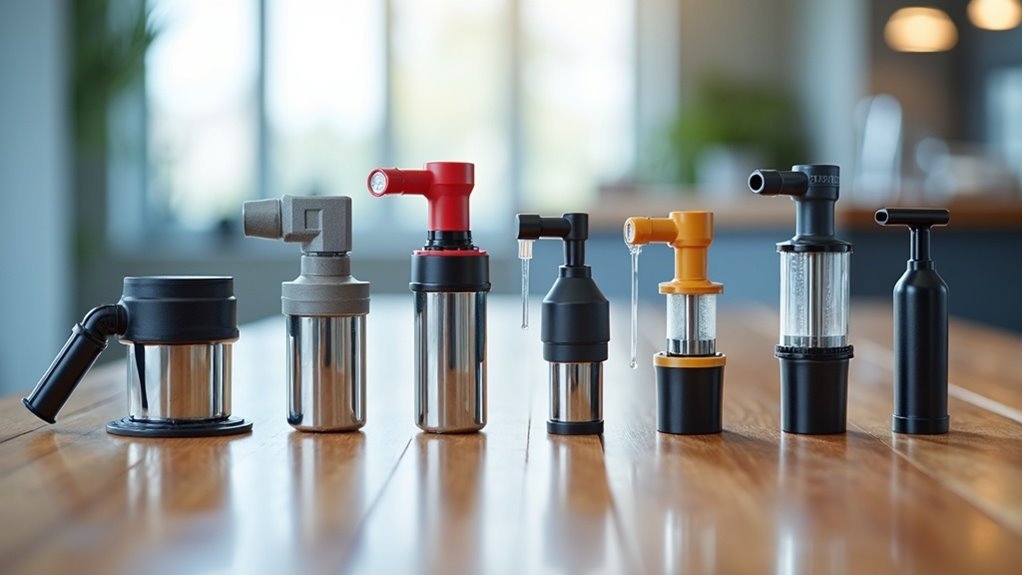
To effectively utilize a squeeze filter in survival situations, begin by identifying a reliable water source, steering clear of stagnant ponds which may harbor contaminants. Fill your clean pouch with water from the source, then securely attach the filter. You can sip directly from the pouch or squeeze it to rapidly fill other bottles, ensuring you have access to safe drinking water. Regular maintenance is crucial; clean the filter by backwashing with the provided syringe to preserve its performance over time. It’s wise to keep extra pouches on hand for cooking and hydration needs. Additionally, familiarize yourself with techniques to enhance your filter’s efficiency and extend its lifespan, as having a dependable water filtration system can be vital in any survival scenario.
Key Takeaways
- Select a clean water pouch and fill it with clear, flowing water from a reliable source, making sure to avoid stagnant water that could harbor harmful pathogens.
- Securely attach the Sawyer Squeeze Filter onto the pouch, ensuring a tight connection to prevent any leaks that could compromise your water supply.
- You can sip directly from the pouch or squeeze it to quickly fill your water bottles, typically achieving this in under 20 seconds—essential for efficient hydration during survival situations.
- Regularly clean and backwash the filter using the included syringe filled with filtered water to maintain optimal performance, as a well-maintained filter is crucial for long-term preparedness.
- Store the filter properly and keep it dry to prevent contamination, which will enhance its longevity and reliability for future use in emergency situations.
Selecting Your Water Source
When selecting a water source for your Sawyer Squeeze Filter, it’s essential to prioritize clear, flowing water from streams or rivers, as it typically contains fewer contaminants than stagnant ponds.
Avoid relying on tap water or bottled water when traveling abroad; instead, focus on utilizing natural sources to ensure self-sufficiency.
Rely on natural water sources instead of tap or bottled water for self-sufficiency during your travels abroad.
If you encounter muddy or turbid water, allow it to settle or filter it through a cloth to minimize clogging issues.
Keep in mind that you can screw the filter directly onto a standard bottled water for safe, filtered hydration.
Always carry extra pouches to collect clean water, ensuring you’re prepared and stocked during your outdoor survival adventures.
Filling the Pouch
Filling the pouch is a crucial step in utilizing your Sawyer Squeeze Filter effectively, especially in survival situations.
Begin by selecting a clean pouch from your kit, ensuring it’s free from contaminants that could compromise your water supply. Fill the pouch with water from a reliable source, such as a stream or a lake, but take care not to overfill past the maximum line indicated on the pouch.
Once filled, securely screw the Sawyer Squeeze Filter onto the pouch to establish a tight seal, which will prevent any leaks during the filtering process. Wipe away any excess water on the outside to avoid contaminating your filter, as maintaining hygiene is vital in survival scenarios.
For the best results, choose clear water that’s free from large debris, as this will enhance the efficiency of the filtering process.
With the pouch filled and secured, you’re now prepared for the next steps in your water purification journey!
Attaching the Filter
To effectively attach the Sawyer Squeeze Filter, begin by selecting a clean water pouch filled with fresh water.
Next, securely screw the filter onto the pouch, ensuring it’s tightly fastened to prevent any leaks during your outdoor activities.
Always wipe away any excess water to keep your drinking container protected from potential contamination, especially in survival situations where maintaining clean water sources is crucial.
Selecting the Right Pouch
Selecting the right pouch is crucial for effective water filtration in survival situations, as it not only holds the water but also connects seamlessly to your Sawyer Squeeze filter.
Opt for a durable, compatible pouch that can hold the necessary amount of water you need for your prepping needs, ensuring it’s clean and free from contaminants.
When sourcing water, fill the pouch from a reliable source, carefully inspecting for any visible debris or signs of pollution.
After filling, securely screw the Sawyer Squeeze filter onto the pouch to create a tight seal, preventing leaks during transport.
Wipe off any excess water from the connection to avoid contaminating your drinking container.
You can then drink directly from the filter or use it to fill other bottles for your survival kit.
Securing the Filter
Securing the Sawyer Squeeze Filter is vital for effective water filtration during your survival and prepping endeavors.
Begin by filling a compatible pouch with water from your chosen source, which could be a stream, river, or any other natural water body. Firmly screw the filter onto the filled pouch, ensuring a tight seal to prevent leaks that could compromise your water supply.
Before you drink, wipe off any excess water from the filter to avoid contamination, as maintaining hygiene is crucial in survival situations. For added convenience, you can also attach the filter directly to most standard water bottles, making it easier to hydrate on the go.
Always check for a secure connection between the filter and the pouch or bottle to guarantee efficient filtration and safe drinking. Proper attachment is key to ensuring that you have access to clean, safe water during your outdoor adventures and preparedness activities.
Drinking and Filling Bottles
Using the Sawyer Squeeze filter is an essential skill for survivalists and preppers, making drinking and filling bottles a swift and efficient process in the field. Here’s how to maximize its use for optimal hydration:
- Screw the filter onto the filled pouch and sip directly for immediate access to clean water, crucial in survival situations.
- To fill your water bottles, attach the filter to the pouch and gently squeeze; most bottles can be filled in under 20 seconds, saving valuable time during emergencies.
- Always wipe off any excess water from the filter before attaching it to your bottle to prevent contamination, ensuring your water remains safe to drink.
Additionally, you can screw the filter onto standard bottled water for safe drinking, which is especially useful during travel or when resources are limited.
Keep extra pouches filled as reserves for hydration and cooking, as having a reliable water source is vital for your survival plan.
Preparing for Water Scarcity
When planning your expedition, it’s crucial to evaluate the water availability in your intended locations to prevent unexpected shortages.
Always carry additional pouches for your Sawyer Squeeze Filter to ensure you have backup reserves when water sources become scarce.
Being well-prepared is essential for maintaining hydration and safety during your survival endeavors.
Assessing Water Availability
Before you embark on any outdoor survival adventure, it’s essential to assess the availability of clean water sources, particularly in remote or backcountry areas where water can be limited.
Keep these critical factors in mind:
- Local Water Sources: Scout for potential sources like lakes, rivers, or streams along your planned route, as these can be vital for hydration.
- Weather Conditions: Stay updated with weather forecasts, as droughts or adverse weather can significantly impact water availability.
- Filtration Needs: Equip yourself with a reliable filtration system, such as the Sawyer Squeeze Filter, to ensure you have access to safe drinking water when you need it most.
Being prepared with this knowledge can be the difference between survival and hardship in the wilderness.
Packing Extra Pouches
Packing at least one or two extra pouches for your outdoor survival adventures can significantly enhance your preparedness for accessing clean water.
These additional pouches enable you to gather water from various sources, which is crucial when water is scarce in the wild. By securely attaching the Sawyer Squeeze Filter to each filled pouch, you ensure a reliable and clean filtration process.
Filling multiple pouches simultaneously not only saves time but also guarantees immediate access to water for cooking, hydration, or other survival needs. If you’re planning extended excursions in remote areas, having extra pouches is essential to meet your hydration requirements and avoid the critical risk of running out of water.
Always be prepared for the unexpected; a well-stocked water supply is a key component of effective survival planning.
Maintenance and Backwashing
To ensure your Sawyer Squeeze Filter remains a reliable tool in your survival kit, regular maintenance and occasional backwashing are crucial.
While backwashing is infrequently necessary, it helps maintain optimal performance when the situation calls for it. Here’s how to effectively care for your filter:
- Regularly clean the filter to prevent buildup, which can hinder its function during critical times.
- For backwashing, unscrew the push-pull cap and utilize the included syringe filled with filtered water to create high pressure, effectively clearing any obstructions.
- Keep in mind that applying high pressure won’t damage the filter; instead, it enhances its longevity and ensures it’s ready for your next outdoor venture or emergency situation.
Ensuring Durability and Longevity
Ensuring the durability and longevity of your Sawyer Squeeze Filter is crucial for reliable performance during your survival adventures. The robust hollow fiber membranes are specifically designed to withstand repeated use in diverse and challenging conditions.
To maintain your filter effectively, backwash it infrequently using the included syringe; this high-pressure method keeps it clean without risking damage. By adhering to these maintenance tips, your filter can last for years with minimal need for replacement, making it a vital tool for your preparedness kit.
Additionally, regularly wipe off excess water and store it properly to prevent contamination and ensure it’s ready when you need it most. With these practices in place, you’ll ensure your filter remains functional and dependable for your next outdoor excursion or emergency situation.