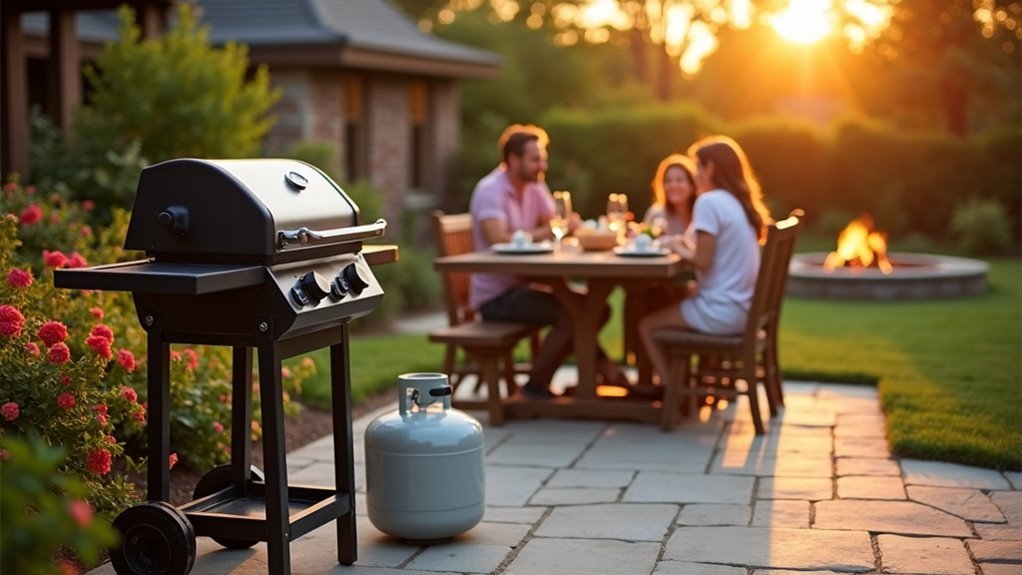
To use propane safely indoors and outdoors in a survival situation, it’s crucial to choose a reliable supplier that prioritizes safety and preparedness. Always store tanks outside and away from heat sources to prevent accidents. Installing carbon monoxide detectors in key areas is essential; ensure they are checked regularly to maintain functionality. If you detect the smell of propane, evacuate immediately and contact emergency services to mitigate any risks. Keep all propane appliances well-maintained, and regularly monitor them for leaks and irregular flame patterns, as this can be vital in emergency scenarios. Following these guidelines not only enhances safety and reliability but also contributes to your overall preparedness strategy. For more comprehensive safety tips regarding propane and other survival resources, consider exploring additional materials on propane safety in prepping.
Key Takeaways
- Always store propane tanks outdoors in open-air environments, away from heat sources and combustible materials, to minimize fire hazards. This is especially crucial for survivalists who need to ensure their resources are safe and accessible in emergencies.
- Use propane appliances in well-ventilated areas to prevent gas buildup and ensure safe operation. Adequate ventilation is essential for maintaining a safe living environment when prepping for potential disasters.
- Install carbon monoxide detectors in sleeping areas and regularly test them to ensure reliable early detection of gas leaks. This step is vital for survivalists who need to secure their shelters against all potential hazards.
- If you smell propane, immediately turn off ignition sources, evacuate, and report the leak to emergency services. Quick action can save lives, which is a key principle in survival scenarios.
- Conduct regular inspections of propane equipment, documenting findings to maintain safety and compliance with regulations. Keeping detailed records is important for survivalists to ensure their gear remains operational and ready for any situation.
Choose a Safety-conscious Propane Supplier
When selecting a propane supplier for your survivalist needs, it’s essential to prioritize safety to ensure your homestead or retreat remains secure.
Look for suppliers that adhere to current safety regulations and have a solid track record of safe operations. Verify that their delivery technicians are well-trained in safe handling procedures to minimize risks during delivery and installation, especially in emergency situations.
Prioritize suppliers with strong safety records and well-trained technicians for secure propane delivery and installation.
Regular inspections of all propane equipment and systems are crucial to confirming they function properly and safely in a crisis. Choose suppliers who provide comprehensive safety training to enhance your preparedness and awareness.
Additionally, ensure they offer clear emergency contact information for any propane-related issues that may arise, allowing you to respond quickly in any situation.
Keep Your Propane Tank Outside
To ensure safety and preparedness in your survivalist endeavors, always store your propane tank outside in an open-air environment. This practice prevents the accumulation of gas indoors, significantly reducing the risk of leaks and enhancing safety in emergency situations.
Keep your propane tanks away from combustible materials, such as leaves and textiles, to minimize fire hazards. Position them at a safe distance from heat sources, like grills and stoves, to prevent pressure buildup that could lead to dangerous situations.
Additionally, it’s prudent to provide shade for the storage area from direct sunlight, as excessive heat can increase tank pressure and compromise safety.
Regularly inspect the outdoor space to ensure it remains clear of debris and potential hazards that could jeopardize the safety of your propane tanks. This proactive approach is essential for anyone committed to survivalism and prepping, ensuring you’re always ready for any situation that may arise.
Install a Carbon Monoxide Detector
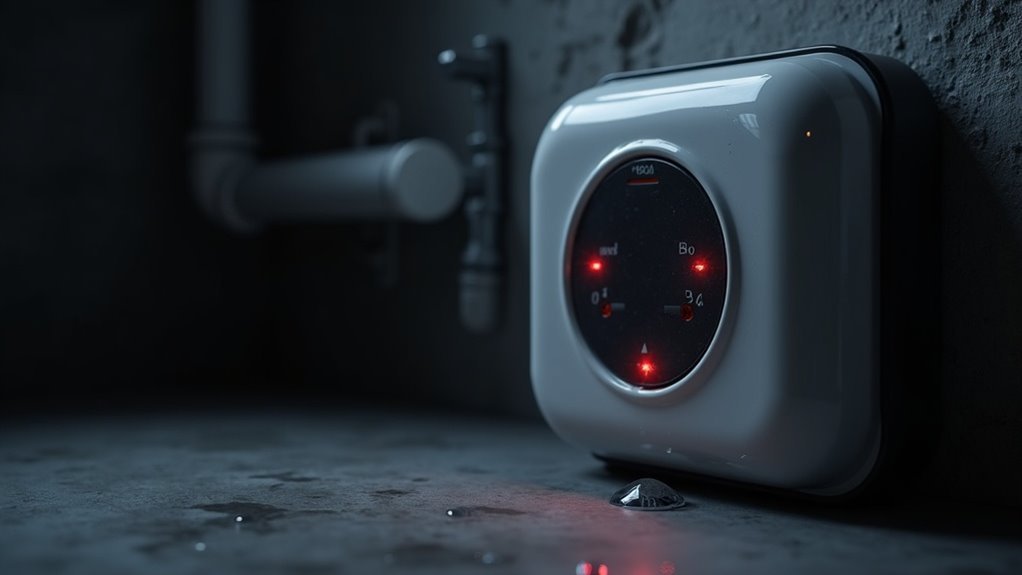
Installing carbon monoxide detectors in your survivalist homestead is crucial for early detection of this life-threatening gas.
Strategically position detectors in every sleeping area and on each level of your shelter to enhance safety and preparedness.
Regular maintenance, including testing and battery replacement, ensures these vital devices are operational when your survival depends on them.
Always be proactive in creating a safe environment for you and your family.
Importance of Carbon Monoxide Detectors
While carbon monoxide is colorless and odorless, having a reliable carbon monoxide detector is an essential part of your survival and prepping strategy. This crucial device identifies dangerous gas produced by improperly burning fuel indoors, which is especially important in a survival situation where alternative heating sources may be used.
Installing detectors in strategic locations, particularly near sleeping areas, ensures you receive timely alerts before CO levels become hazardous, allowing you to take immediate action.
For comprehensive safety, consider detectors that can also identify propane leaks, as fuel management is a key aspect of preparedness. Regular maintenance is vital; replace batteries annually and test the device’s functionality to ensure it operates effectively when you need it most.
If your detector activates, evacuate your group immediately and contact emergency services to evaluate potential gas leaks or CO exposure. By following these safety protocols, you can enhance your preparedness and protect your loved ones in any situation.
Detector Placement Guidelines
When preparing your home for potential emergencies, proper placement of carbon monoxide detectors is crucial for early detection.
Follow these detector placement guidelines to enhance your safety:
- Install detectors on every level of your home and close to sleeping areas to ensure you’re alerted while you rest.
- Opt for detectors that can sense both carbon monoxide and propane leaks to cover multiple risks.
- Position detectors 5 to 6 feet above the floor, as carbon monoxide is a gas that rises.
- Test your detectors monthly and replace batteries at least once a year to maintain their functionality.
Know What to Do When You Smell Propane
What should you do if you smell propane? First, turn off all ignition sources to prevent a fire. Next, evacuate everyone from the area to ensure safety. From a secure distance, contact AmeriGas at 1-800-805-0659 or your local emergency services to report the suspected leak. If it is safe to do so, turn off the main gas supply valve on the propane tank, but do not investigate further.
| Step | Action |
|---|---|
| 1. Turn off ignition | Prevent fire or explosion |
| 2. Evacuate | Ensure the safety of everyone in the vicinity |
| 3. Call for help | Report the situation to AmeriGas or emergency services |
| 4. Turn off gas supply | Only if it is safe to do so |
| 5. Wait for inspection | Avoid using indoor propane appliances until given the all-clear |
In a survivalist mindset, understanding how to respond to a propane leak is essential for maintaining safety and preparedness in various situations.
Maintain Your Propane Tanks and Equipment Regularly
To ensure your propane system is both safe and efficient for your survival preparations, regular inspections of your tanks and equipment are essential.
Engaging certified technicians for maintenance not only guarantees that everything meets safety standards, but also helps you avoid potential hazards in critical situations.
Regular upkeep is a vital step in securing reliable performance, allowing you to focus on your self-sufficiency and readiness for any emergency.
Regular Inspections Required
Regular inspections of your propane tanks and equipment are crucial for ensuring safety and efficiency in your prepping and survivalist endeavors. By performing these inspections, you can identify potential hazards before they escalate, which is vital in a survival situation.
Here’s what to focus on:
- Check fittings, connectors, and regulators for signs of wear or damage.
- Use a leak detector to identify any signs of leakage.
- Ensure proper ventilation in your propane storage area to prevent dangerous buildup.
- Document all inspections and maintenance activities to keep a reliable record.
Scheduling regular inspections not only helps maintain your propane tank but also ensures your system operates safely during emergencies.
Stay proactive to prevent unexpected failures and create a secure environment for you and your family. Being prepared is key to survival!
Hire Certified Technicians
Maintaining your propane tanks and equipment is crucial for ensuring safety and preparedness in any survival scenario. Hiring certified technicians can significantly enhance your ability to manage these resources effectively.
These professionals ensure that all safety standards are met, minimizing the risk of leaks or malfunctions that could jeopardize your safety during an emergency. Regular maintenance checks conducted by trained experts can uncover issues such as deterioration, leakage, or problems with fittings, connectors, and regulators, which are vital for reliable operation.
Their expertise allows them to handle propane safely while adhering to all relevant regulations and best practices, which is essential for anyone serious about survivalism and prepping.
By scheduling routine inspections, you not only bolster your safety but also extend the lifespan and efficiency of your propane equipment, ensuring that you have a dependable fuel source when it matters most.
Furthermore, maintaining documentation of their services can provide proof of compliance, which may be crucial during inspections or emergencies. In the realm of prepping, being proactive about your propane maintenance can make a significant difference in your overall readiness.
Safe Use of Propane Appliances
When utilizing propane appliances in a survival or prepping scenario, it’s crucial to adhere to the manufacturer’s guidelines for safe operation and accident prevention.
To ensure the safe use of propane appliances and minimize the risk of accidents, consider the following tips:
- Always keep children and unnecessary individuals at a safe distance when lighting propane appliances.
- Conduct regular inspections of your propane appliances for leaks or irregular flame patterns to ensure they’re functioning correctly.
- Close propane supply valves when you’re away for extended periods to prevent any potential hazards.
- Before re-lighting appliances after being away, consult a professional, such as AmeriGas, for thorough leak checks.