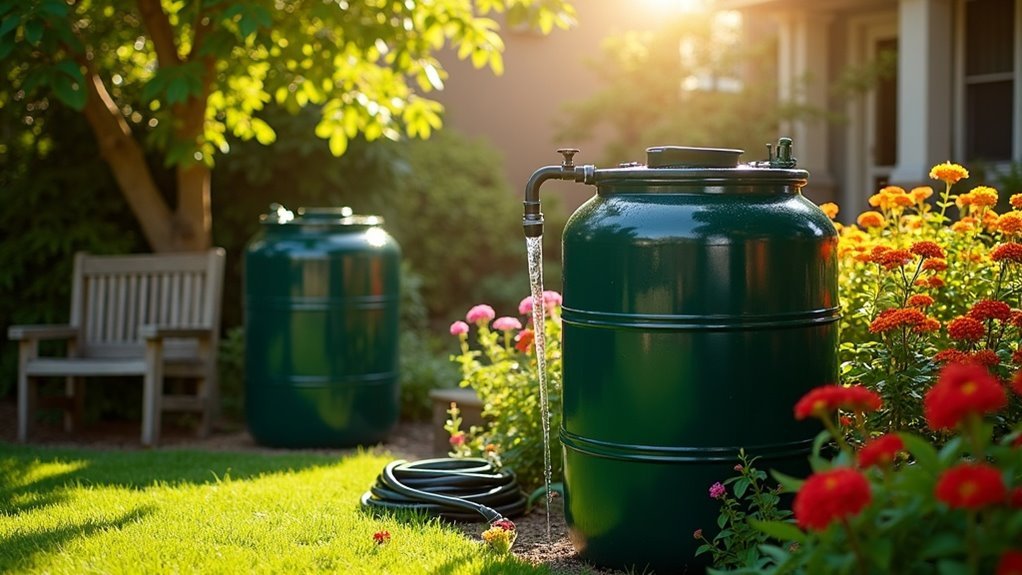
Using water storage barrels is crucial for ensuring a reliable backup supply during emergencies, especially for survivalists and preppers. Start by selecting food-grade barrels that are specifically designed for water storage. Position them in cool, stable areas, away from direct sunlight to prevent degradation. Thoroughly clean and sanitize your barrels using soap and a bleach solution to eliminate any potential contaminants. When filling them, use treated municipal water or add the appropriate amount of bleach to untreated water to ensure safety. Seal each barrel securely and label them with the storage date for easy reference. Regularly check the condition of the water to ensure it remains usable. Remember, careful preparation and attention to detail are key for optimal water storage in any survival plan.
Key Takeaways
- Choose food-grade barrels specifically designed for long-term storage and ensure they are kept in cool, stable locations away from sunlight and harmful substances to maintain water quality.
- Thoroughly clean and sanitize barrels using a mixture of soap, water, and a bleach solution before filling them with water to eliminate any contaminants.
- Fill the barrels with municipal water or properly treated water, and securely seal them to prevent any potential contamination from outside sources.
- To ensure your water supply remains usable and safe, regularly rotate and refill the barrels every six months, as part of your preparedness plan.
- Keep an eye out for any signs of algae growth, and place barrels on raised platforms for easy access and better maintenance in your emergency preparedness setup.
Importance of Water Storage Barrels
When emergencies strike, having water storage barrels is a crucial component of your survival and prepping strategy. These barrels provide an essential backup supply of drinking water during outages or disasters, ensuring that you and your loved ones remain hydrated and safe.
Experts such as the Red Cross and FEMA recommend storing at least one gallon per person per day for a minimum of three days, making 55-gallon food-grade barrels perfect for larger households or extended preparedness plans.
Storing at least one gallon per person per day for three days is essential for emergency preparedness.
Properly stored water can remain usable for long periods, but it’s vital to keep it away from sunlight and regularly check its quality to prevent contamination.
By investing in water storage barrels, you not only mitigate the risks associated with a disrupted water supply but also bolster your readiness for any unexpected emergencies that may arise.
Being proactive in your water storage strategy is an essential step in becoming self-sufficient and resilient in the face of adversity.
Selection and Placement of Water Barrels
Selecting the right water storage barrels and placing them wisely are crucial steps in ensuring your emergency water supply remains safe and usable for survival situations.
Opt for food-grade storage containers, clearly marked with a food-grade symbol, to guarantee clean water, such as the BPA-free Augason Farms 55 Gallon Water Barrel.
Strategically place your barrels in a cool, stable location, avoiding areas prone to freezing temperatures. Keep in mind the heavy weight when filled—over 400 pounds—ensuring they’re accessible for both filling and usage.
Always keep barrels out of direct sunlight and away from toxic substances to maintain water quality.
Regularly rotate and refill multiple barrels to ensure they remain usable in times of need.
Cleaning and Sanitizing Water Barrels
To ensure your water storage barrels are safe for use in any survival situation, it’s crucial to clean and sanitize them properly before filling.
Begin by using soap and water to thoroughly scrub the interior, effectively removing any organic contamination that could compromise your water supply.
Use soap and water to scrub the interior thoroughly, eliminating any organic contaminants that could threaten your water supply.
Next, prepare a bleach solution by mixing 3 teaspoons of unscented liquid bleach with one gallon of water—this creates a concentration of 200 ppm, which is effective for sanitation.
Apply the solution and allow it to sit for 30 minutes to properly sanitize the barrels. There’s no need to rinse; just let the barrels dry completely.
Regular checks and maintenance are vital to prevent contamination, ensuring your water remains safe for consumption during emergencies.
Stay prepared and vigilant!
Water Treatment and Storage Guidelines
Understanding proper water treatment and storage guidelines is essential for ensuring your water supply remains safe and usable during emergencies, especially for survivalists and preppers.
- Fill your water barrels with municipal water, which has been treated with chlorine, to ensure it’s safe.
- If you’re using untreated water, add two drops of bleach per gallon to effectively sterilize it.
- Securely seal your barrel to prevent contamination and clearly label it with the storage date for easy reference.
- Store your barrels in a cool, dark place to maintain optimal conditions and extend the shelf life of your water supply.
Additional Water Storage Solutions and Maintenance
While you may have already set up water barrels for storage, exploring additional solutions and maintenance techniques can significantly bolster your preparedness for emergencies.
Consider utilizing stackable containers like the 5 Gallon Samson Stackers to maximize your water storage efficiency. Always ensure you filter water before consumption, and make your barrels easily accessible by placing them on a raised platform, allowing the spigot at the bottom to be within reach.
Regular maintenance of your water storage system is crucial; routinely check for algae growth and keep your barrels sealed in a cool, dark environment to prevent contamination.
If replacement lids aren’t readily available, consider DIY options or reach out to local barrel recyclers for materials to support your emergency water supply strategy.