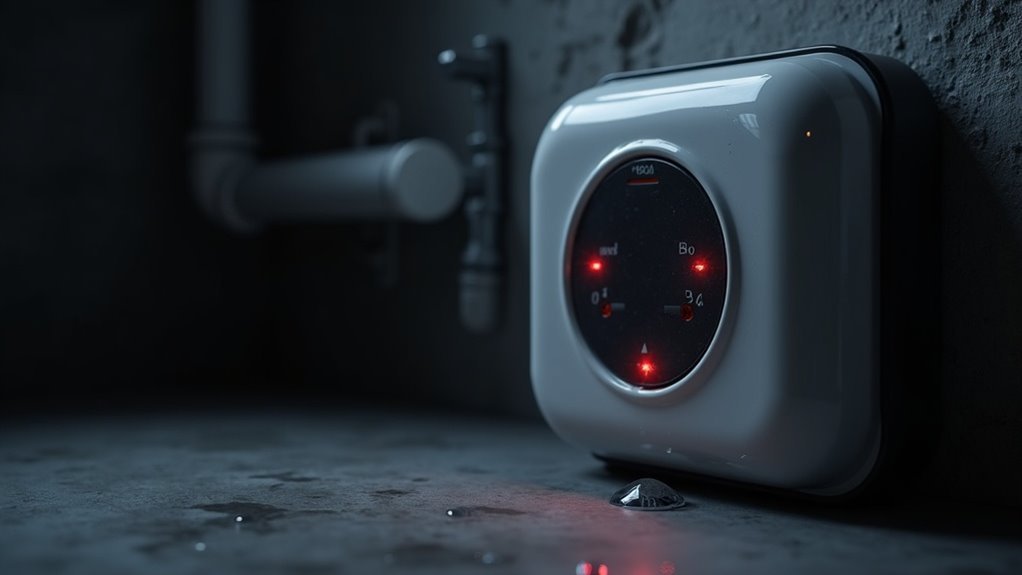
When using backup heat in a survival situation, it’s crucial to ensure proper ventilation to prevent carbon monoxide buildup, which can be deadly. Open windows slightly or utilize exhaust fans for air exchange while still trying to maintain warmth. Position fuel-burning heaters in well-ventilated areas, and make it a habit to regularly inspect vents for any blockages that could hinder airflow. Additionally, installing carbon monoxide detectors near heat sources can provide immediate alerts to any dangerous conditions. Maintaining a clearance around heaters allows for better airflow and reduces the risk of fire hazards. By adhering to these guidelines, you’ll significantly enhance indoor air quality and safety, which is vital for long-term survival and preparedness. Always evaluate your ventilation options to ensure optimal safety in any situation.
Key Takeaways
- Open windows slightly or utilize exhaust fans to ensure proper air exchange when employing backup heat in survival situations.
- Consider installing a dedicated outside air supply for combustion in wood-burning stoves to optimize ventilation and maintain a safe environment.
- Regularly inspect and clean vents and flues to prevent the dangerous accumulation of gases indoors, which is crucial for long-term survival.
- Position carbon monoxide detectors near heat sources and sleeping areas to ensure early detection of unsafe levels, safeguarding your preparedness efforts.
- Maintain a minimum three-foot clearance around portable heaters to promote proper air circulation, essential for efficient heating and safety in a survival scenario.
Importance of Ventilation When Using Backup Heat
When utilizing backup heat sources in survival situations, ensuring proper ventilation is crucial to prevent the accumulation of harmful gases like carbon monoxide. Adequate airflow not only mitigates indoor air pollutants but also promotes a healthier living environment while operating heating appliances in emergencies.
Each heating method requires specific ventilation considerations; for example, wood stoves and gas heaters necessitate well-designed exhaust systems to safely direct fumes outdoors. Regular checks and maintenance of these systems are vital for enhancing safety and efficiency, thus reducing hazardous risks in challenging conditions.
Additionally, installing carbon monoxide detectors near heating appliances provides an essential layer of protection, keeping you informed about air quality and safeguarding your shelter from potential dangers while preparing for unforeseen circumstances.
Recommended Ventilation Techniques
To ensure safety while utilizing backup heating sources in a survival situation, it’s crucial to adopt effective ventilation techniques.
Employ exhaust fans or open windows to promote air exchange and reduce indoor pollutants while retaining warmth. For wood-burning stoves, consider installing a dedicated outside air supply for combustion air to prevent oxygen depletion indoors, which is vital in an emergency scenario.
Utilize exhaust fans or open windows to enhance air exchange while ensuring warmth and safety in your shelter.
Regularly inspect and clean vents and flues to avoid dangerous fumes infiltrating your shelter.
Furthermore, position a carbon monoxide detector near sleeping areas and backup heat sources. This proactive strategy ensures early detection of gas leaks, helping you maintain a secure environment during your heating needs in any survival situation.
Safety Considerations for Ventilating With Backup Heat
Ensuring safety while ventilating with backup heat sources is crucial for survivalists and preppers who may rely on alternative heating methods in emergency situations. A thorough understanding of potential hazards is essential.
Proper ventilation is key; inadequate airflow can lead to the dangerous buildup of carbon monoxide, an odorless gas that poses serious health risks. Always position fuel-burning heaters in well-ventilated areas to effectively dissipate combustion byproducts.
Install carbon monoxide detectors near these heat sources to provide early warnings of unsafe levels. Maintain a minimum of three feet of clearance around portable heaters to prevent fire hazards and ensure adequate air circulation, which is vital for safety in survival scenarios.
Regularly inspect and clean exhaust systems to prevent blockages that could hinder ventilation and compromise safety while using backup heat sources. Being proactive about these safety measures can enhance your preparedness for any situation.
Monitoring Indoor Air Quality During Backup Heating
Monitoring indoor air quality during backup heating is crucial for survivalists and preppers aiming to maintain a safe living environment in emergencies.
Regularly check carbon monoxide levels, as inadequate ventilation can lead to hazardous accumulations of this odorless gas, especially when using alternative heating sources.
Ensure adequate airflow by slightly opening windows or employing exhaust fans to reduce indoor pollutants while conserving heat.
Invest in reliable carbon monoxide detectors and air quality monitors to provide real-time feedback on your indoor safety.
It’s important to maintain a slight air exchange to balance air quality without significantly losing heat.
Additionally, periodically inspect for signs of moisture buildup or mold, which can arise from insufficient ventilation during the use of backup heating methods.
Preparedness in these areas can enhance your resilience and safety in challenging situations.
Maintenance Tips for Efficient Ventilation
Maintaining efficient ventilation is crucial for ensuring optimal indoor air quality and safety, especially when relying on backup heating methods in survival situations.
Efficient ventilation is essential for indoor air quality and safety, particularly when using backup heating during emergencies.
To ensure your systems operate safely and effectively, follow these essential tips:
- Regularly inspect and clean vents and ducts to ensure unobstructed airflow, which is vital for backup heating systems during emergencies.
- Utilize exhaust fans in kitchens and bathrooms to facilitate moisture removal and eliminate harmful pollutants, reducing the risk of mold and ensuring a healthier living environment.
- Install carbon monoxide detectors near sleeping areas and rooms with fuel-burning devices to monitor dangerous gas levels, a critical step for survival when using alternative heating sources.
Additionally, schedule annual HVAC system inspections to identify any ventilation issues that could compromise performance.